Multiple Faces Detected


 December 17th, 2024
What is Fraud?
Any activity that uses deception to get monetary or non-monetary gain is fraud.
For instance, when a person or an entity lies to prevent you from getting financial resources or assets, they are committing fraud against you.
Fraud can happen in different ways such as cooking books, falsifying information, identity theft, and pump and dump cases among others.
In this post we explore the concept of fraud, the common types people experience, how to identify fraudsters, the best tools to help you identify them, and how to protect yourself. keep reading!
Common Types of Fraud
The following types of fraud are commonly experienced. If reported, they can lead a perpetrator to be prosecuted.
i). Identity Theft
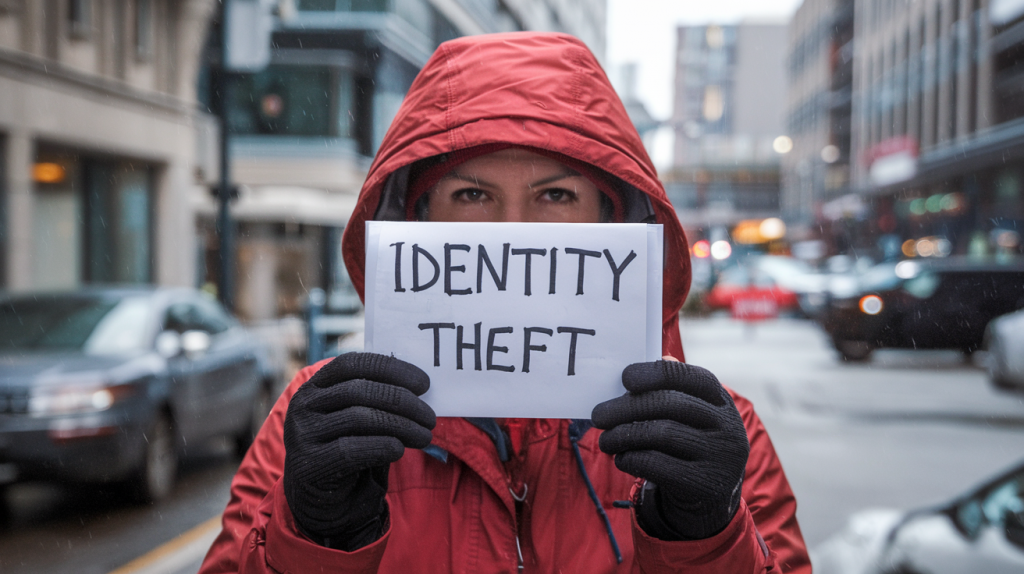
This type of fraud occurs when someone lies about their personal information to perpetrate a crime.
Identity theft can be simple whereby a fraudster uses techniques such as scam calls and phishing to obtain other people’s sensitive data.
More complex tactics involve the use of sophisticated technology such as deepfakes that impersonate authorized personnel and gain easy access to unauthorized information.
ii). Card Fraud
Card fraud happens when a robber or a scammer gets hold of your credit or debit card and conducts transactions illegally.
They can use the card to purchase items, withdraw cash, or commit fraudulent crimes such as obtaining information from the card and attempting to use it for other unlawful activities.
iii). Corporate Fraud
This type of fraud is usually committed by trusted organizations. It can either be an entire organization or an employee of the organization who is trying to make monetary or non-monetary gains.
In this case, fraud can happen when information is falsified to benefit the organization or the employee.
In addition, you can also be a victim of fraud if an organization or an employee misappropriates the quantity of your property to benefit themselves or another counterpart.
The most common type of corporate fraud is corruption whereby you can be asked for a bribe to be served, or you can lose your money or asset because someone else wants it and can pay them for it.
How to Identify and Evade Fraud
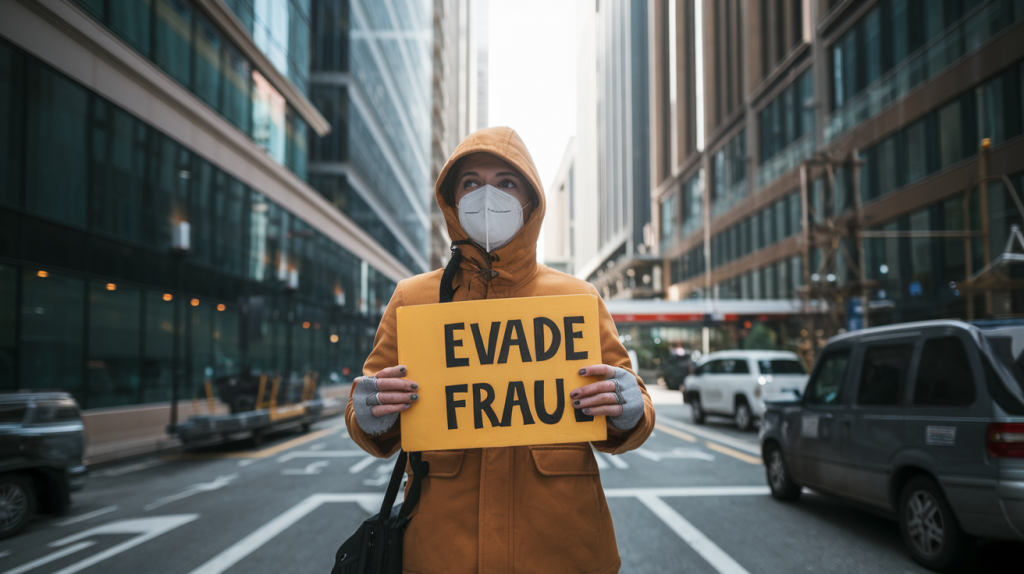
Many indicators can help you sniff out potential fraud. While some cases can be easy to identify, most types need a deeper intuition due to their complexity.
However, the following common strategies can help you keep safe from falling prey to their tactics.
1. False Email, Messages, and Call Numbers
Identifying if a fake email, message, or call is from an illegitimate identity can be a tough task. However, certain indicators can help.
For instance, if the phone numbers and email addresses are random and demand monetary transactions in return for services, they might be from fraudsters.
Similarly, if the messages need you to click on unsafe links it can also indicate a scammer targeting to infect your devices with a virus to siphon your personal and sensitive information.
Before continuing with the conversation, it would be wise to first confirm the legitimacy of the numbers. You can do this by visiting their websites to check their contacts.
Pro Tip: Fraudsters posing as government representatives are successfully manipulating naïve victims and taking their personal information and money. In the first three months of 2024, the typical government impersonation scam victim in the United States lost $14,000 in cash, amounting to more than $20 million. Cash losses from government impersonation schemes climbed by 90% between 2022 and 2023. Visa believes that as government impersonation scams become more common, banks will notice an increase in high ATM withdrawals caused by fraud–VISA Perspective
2. Awkward and Unofficial Conversation
It is the responsibility of organizations to ensure that they provide you (the customer) with quality services professionally and ethically.
Conversations from organizational officials that go past the corporate setting should raise questions.
For instance, an employee asking to meet outside the workplace to discuss a service can be a sign that you want to be scammed.
Additionally, being asked to pay some money to process a transaction that is usually free of charge is also an indication of potential fraud.
You need to understand your rights in corporate organizations such as financial institutions to know where to draw the line when you pay for their services.
3. Unexpected Significant Changes in Your Accounts
Fortunately, account activities can be easily accessed in real-time thanks to technology.
If you notice a significant increase in payments or purchase frequency it can be a sign of fraudulent activities.
You need to keenly monitor your financial accounts by using tools that show real-time processes. This will help you keep up with any slight changes.
Tools that Protect Against Fraud

a). Modern Fraud Prevention Tools
In response to the rising cases of fraud, several relevant authorities have tools that are designed to prevent fraud.
They conduct their assessments using various identity verification methods such as multifactor and knowledge-based authentication, and biometric verification among others.
As a result, these tools increase security during financial transactions.
b). Identity Verification Tools like Social Catfish
Any fraud prevention strategy must include identity verification. Tools like Social Catfish can help you confirm the identity of a person involved in a transaction.
When you receive phone calls or messages, this tool can help you ensure they are who they claim to be by preventing account takeover or identity theft.
These types of crimes are the two most common types of strategies that fraudsters use to rob their victims.
c). Fraud Detection Software
The need for speed and real-time detection during fraudulent transactions is very important. Fraudsters understand that time is of the essence when they want to cause damage.
Some of them have mastered their art and integrated technology into their activities, making the process of identifying them more complex.
As a result, real-time fraud detection software can help you monitor transactions as they take place and highlight any suspicious activities.
This can help you take the relevant steps to stop them immediately.
Preventing Fraud in the Future
Fraudsters are continuously discovering better and more complex strategies to manipulate the system.
You should understand their techniques and put strategies in place to prevent them.
First, you should take advantage of advanced technologies such as social catfish, two-factor authentication, and password management software to protect your accounts.
You should also keep up with recent trends by continuously learning about fraud and strategies that fraudsters use to scam people.
Regularly updating your devices is also another way to help you protect your personal information and stay ahead of the evolving threats.
Final Thoughts
While the concept of fraud is familiar to most people, a large number of them do not understand its severity.
It happens in many forms and unfortunately, some people fall into the trap.
Identifying fraudsters can be a hard task, but there are telltale signs that can help you notice their tricks.
Even though there are readily available tools at your disposal to protect you against fraud, the Social Catfish ticks all the boxes.