

 Multiple Faces Detected


 March 27th, 2024
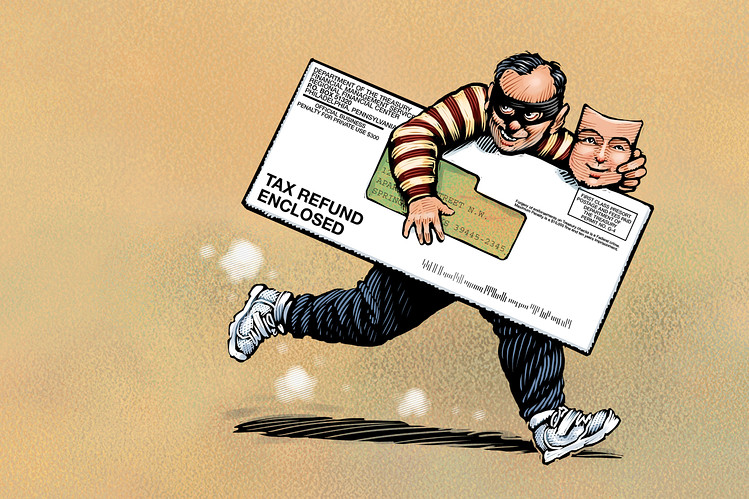
Tax season is upon us, and while many of us are focused on getting our taxes filed on time, it’s important to also be aware of the potential threat of tax return identity theft. This type of identity theft occurs when someone uses your personal information, such as your Social Security number, to file a fraudulent tax return and claim your tax refund. Not only can this cause major financial headaches, but it can also damage your credit and take months or even years to resolve. In this blog post, we’ll discuss what tax return identity theft is, how to spot it, and most importantly, how to safeguard your financial identity.
What is Tax Return Identity Theft?
Tax return identity theft is a form of identity theft that specifically targets your tax return. It occurs when someone obtains your personal information, such as your name, Social Security number, and date of birth, and uses it to file a fraudulent tax return in your name. The thief will often claim a large refund and have it sent to a different address or bank account, leaving you with a smaller or no refund at all. In some cases, the thief may also use your information to get a job, leaving you with a surprise tax bill for income you didn’t earn.
According to the Federal Trade Commission, tax return identity theft was the second most common type of identity theft reported in 2020, with over 406,000 cases reported. This type of identity theft can happen to anyone, regardless of age, income, or tax filing status. That’s why it’s important to be aware of the signs and take steps to protect yourself.
How to Spot Tax Return Identity Theft
One of the first signs of tax return identity theft is receiving a notice from the IRS stating that more than one tax return was filed in your name. This could also be a sign of a simple mistake, such as a typo in your Social Security number, so it’s important to follow up with the IRS to confirm the validity of the notice.
Another red flag is if you receive a tax refund that you weren’t expecting. This could mean that a thief has filed a fraudulent return in your name and had the refund sent to a different address or bank account. If this happens, it’s important to contact the IRS immediately and report the fraud.
You may also become aware of tax return identity theft when you try to file your own tax return and it is rejected by the IRS because a return has already been filed under your Social Security number. This could mean that a thief has already filed a fraudulent return in your name, and you will need to take steps to resolve the issue with the IRS.
How to Safeguard Your Financial Identity
While there is no foolproof way to prevent tax return identity theft, there are steps you can take to safeguard your financial identity and reduce your risk of becoming a victim.
1. Protect Your Personal Information
The first step in safeguarding your financial identity is to protect your personal information. This includes your Social Security number, date of birth, and any other sensitive information. Be cautious about sharing this information, especially online, and only provide it to trusted sources.
It’s also important to properly dispose of any documents that contain personal information, such as old tax returns, bank statements, and credit card statements. Shred these documents before throwing them away to prevent them from falling into the wrong hands.
2. File Your Taxes Early
Filing your taxes early can help reduce your risk of tax return identity theft. By filing before a thief has the chance to file a fraudulent return in your name, you can prevent them from claiming your refund. Plus, the earlier you file, the earlier you will receive your refund, reducing the window of opportunity for a thief to steal it.
3. Use a Secure Internet Connection
When filing your taxes online, make sure to use a secure internet connection. Avoid using public Wi-Fi, as it can be easily hacked, and instead use a secure network at home or at work. This will help protect your personal information from being intercepted by a thief.
4. Be Wary of Suspicious Emails and Phone Calls
Thieves often use phishing scams to obtain personal information. These scams can come in the form of emails or phone calls that appear to be from the IRS or other government agencies. They may ask for personal information or claim that there is an issue with your tax return. Remember, the IRS will never contact you by email or phone to request personal information. If you receive a suspicious email or phone call, do not respond or provide any information. Instead, report it to the IRS.
5. Monitor Your Credit and Accounts
Regularly monitoring your credit report and bank accounts can help you catch any suspicious activity early on. You can request a free credit report from each of the three major credit bureaus once a year, and many banks and credit card companies offer free credit monitoring services. If you notice any unauthorized activity, report it immediately.
6. Consider Using an Identity Theft Protection Service
If you’re concerned about tax return identity theft, you may want to consider using an identity theft protection service. These services can help monitor your personal information and alert you to any suspicious activity. They may also offer assistance in resolving any issues that arise.
Navigating the Recovery Process
Navigating the recovery process after falling victim to tax return identity theft can be a daunting task, but with the right approach, it’s possible to reclaim your financial identity. The first step is to report the incident to the IRS by completing Form 14039, Identity Theft Affidavit. This form notifies the IRS that you believe you’re a victim of identity theft and helps them initiate an investigation into the fraudulent activity.
Once you’ve reported the identity theft to the IRS, it’s essential to monitor your credit reports regularly to identify any unauthorized activity. You can request free credit reports from the three major credit bureaus – Equifax, Experian, and TransUnion – and review them for any accounts or transactions that you don’t recognize. If you spot any suspicious activity, report it to the credit bureaus immediately and follow their procedures for disputing fraudulent information.
In addition to monitoring your credit reports, consider placing a fraud alert or credit freeze on your credit files. A fraud alert notifies creditors to take extra steps to verify your identity before extending credit in your name, while a credit freeze restricts access to your credit report, making it more challenging for identity thieves to open new accounts in your name. Both measures can help prevent further fraudulent activity while you work to resolve the issue.
Keep detailed records of all communications and transactions related to the identity theft recovery process. This includes copies of correspondence with the IRS, credit bureaus, and financial institutions, as well as any receipts or documentation related to identity theft-related expenses. By staying organized and proactive, you can navigate the recovery process more effectively and minimize the long-term impact of tax return identity theft on your financial well-being.
Conclusion
Tax return identity theft is a serious threat that can have long-lasting effects on your financial well-being. By being aware of the signs and taking steps to safeguard your financial identity, you can reduce your risk of becoming a victim. Remember to protect your personal information, file your taxes early, use a secure internet connection, be wary of suspicious emails and phone calls, monitor your credit and accounts, and consider using an identity theft protection service. Stay vigilant and stay safe this tax season.