

 Multiple Faces Detected


 March 16th, 2024
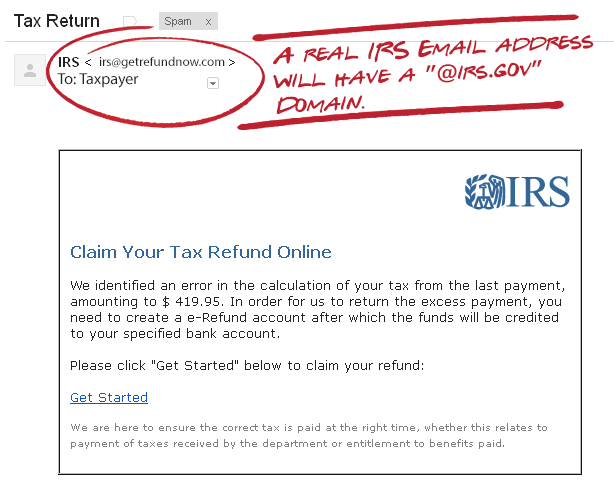
As tax season approaches, many people are anxiously awaiting their tax returns. However, scammers are also eagerly waiting to take advantage of unsuspecting individuals through the use of email scams. One of the most common scams during this time of year is the IRS tax return email scam. This scam involves receiving an email that appears to be from the IRS, claiming that there is an issue with your tax return and requesting personal information. In order to protect yourself from falling victim to this scam, here are 10 things you should do if you encounter the IRS tax return email scam.
1. Do Not Respond to the Email
The first and most important thing to do if you receive an email claiming to be from the IRS is to not respond to it. The IRS will never initiate contact with taxpayers through email, so any email claiming to be from them is most likely a scam. Responding to the email will only confirm to the scammers that your email address is active and may result in more scam emails being sent to you.
2. Do Not Click on Any Links
Similar to not responding to the email, it is important to not click on any links within the email. These links may lead to fake websites that are designed to steal your personal information. Even if the website looks legitimate, do not enter any personal information or login credentials.
3. Check the Sender’s Email Address
Scammers often use email addresses that are similar to the official IRS email address, but with slight variations. Before taking any action, check the sender’s email address to ensure that it is from a legitimate source. The official IRS email address will always end in “@irs.gov. If the email is from a different domain, it is most likely a scam.
4. Look for Spelling and Grammar Errors
Scammers often use poor grammar and spelling in their emails, which can be a red flag. If you notice any errors in the email, it is most likely a scam. The IRS is a government agency and their communications are typically professional and error-free.
5. Do Not Provide Personal Information
The IRS will never ask for personal information such as your Social Security number, bank account information, or credit card numbers through email. If an email is requesting this type of information, it is a scam. The IRS already has this information on file and will not need to ask for it through email.
6. Report the Email to the IRS
If you receive an email that you believe to be a scam, report it to the IRS by forwarding the email to phishing@irs.gov. This will help the IRS track and shut down these scams. You can also report the scam to the Federal Trade Commission at ftc.gov/complaint.
7. Delete the Email
After reporting the email, it is important to delete it from your inbox. This will prevent you from accidentally clicking on any links or responding to the email in the future.
8. Educate Yourself on Common Scams
It is important to stay informed about common scams, such as the IRS tax return email scam. The more you know about these scams, the better equipped you will be to recognize and avoid them. The IRS has a list of current tax scams on their website, so be sure to check it regularly.
9. Use Strong Passwords
One way scammers can gain access to your personal information is through hacking into your email account. To prevent this, make sure to use strong and unique passwords for all of your accounts. This will make it more difficult for scammers to access your information.
10. Be Cautious of Any Unsolicited Emails
Finally, it is important to be cautious of any unsolicited emails, especially during tax season. Scammers are constantly coming up with new ways to trick people, so it is important to always be on guard. If an email seems suspicious, it is better to err on the side of caution and not respond to it.
In conclusion, the IRS tax return email scam is a common and dangerous scam that can result in identity theft and financial loss. By following these 10 steps, you can protect yourself and your personal information from falling into the hands of scammers. Remember to always be cautious and never provide personal information through email. Stay informed and stay safe this tax season.