
 Multiple Faces Detected


 March 8th, 2024
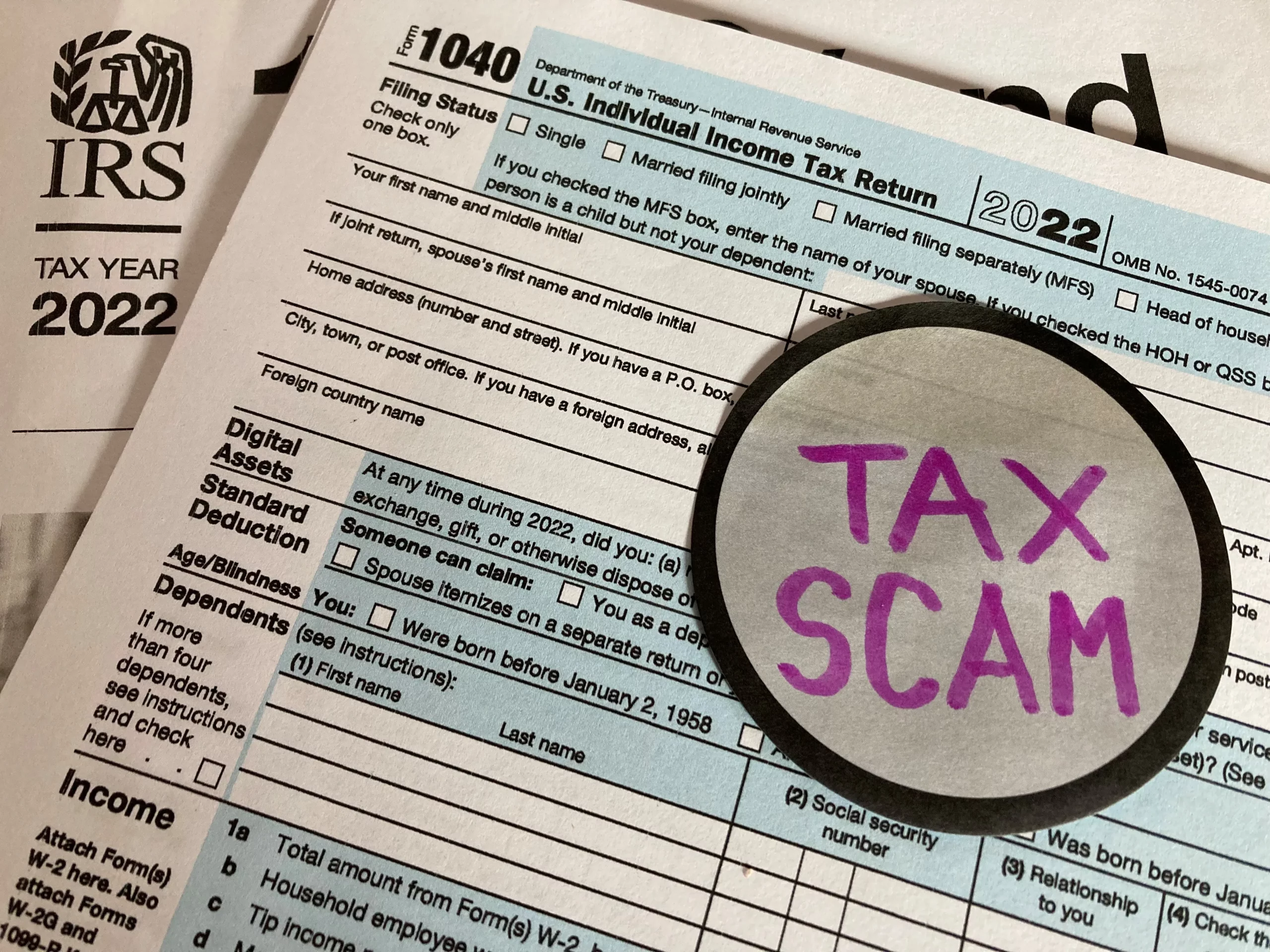
Scams are becoming more and more prevalent in today’s digital age. From fake emails to fraudulent phone calls, scammers are constantly finding new ways to target unsuspecting individuals. One of the latest scams to surface is the back taxes scam text. This scam preys on people’s fear of owing money to the government, but what exactly is it and what should you do if you receive one of these texts? In this blog post, we’ll dive into the details of the back taxes scam text and provide you with tips on how to protect yourself.
What is the Back Taxes Scam Text?
The back taxes scam text is a text message that claims to be from the Internal Revenue Service (IRS). The message typically informs the recipient that they owe back taxes and that immediate action must be taken to avoid legal consequences. The text may also include a link or phone number for the recipient to contact in order to resolve the issue.
While receiving a text from the IRS may seem alarming, it’s important to remember that the IRS does not initiate contact with taxpayers through text message. They will typically send a letter via mail or contact you via phone if there is an issue with your taxes. This is the first red flag that the back taxes scam text is not legitimate.
How to Spot a Back Taxes Scam Text
Now that you know what the back taxes scam text is, let’s discuss how to spot one. While scammers are constantly changing their tactics, there are a few tell-tale signs that can help you identify a back taxes scam text.
1. The message is unsolicited
If you receive a text from someone claiming to be from the IRS, but you have not previously contacted them or have any reason to believe you owe back taxes, this is a red flag that the message is a scam. The IRS will only contact you if there is an issue with your taxes or if you have reached out to them first.
2. The message contains threats or urgent language
Scammers often use fear tactics to pressure people into taking immediate action. If the text contains threats of legal consequences or urgent language, this is another red flag that it is a scam. The IRS will never threaten you or use urgent language in their communication.
3. The message includes a link or phone number
In order to get you to take action, scammers will often include a link or phone number in the text for you to contact. This is a way for them to gather your personal information or to get you to send them money. The IRS will never ask for personal information or payment through text message.
What to Do After Seeing a Back Taxes Scam Text
If you receive a back taxes scam text, the first thing you should do is not panic. Remember, the IRS does not initiate contact through text message. Here are some steps you can take to protect yourself after seeing a back taxes scam text:
1. Do not respond or click on any links
The best course of action is to simply ignore the text and not respond. Do not click on any links or call any phone numbers provided in the message. This will only confirm to the scammers that they have reached a real person and may result in more scam attempts.
2. Report the text to the IRS
If you want to take action against the scammers, you can report the text to the IRS. You can forward the text to 202-552-1226 or email it to phishing@irs.gov. This will help the IRS track and shut down the scam.
3. Block the number
If you continue to receive texts from the same number, you can block it from your phone. This will prevent any future attempts from the scammers to contact you.
4. Educate yourself on other scams
The back taxes scam text is just one of many scams out there. It’s important to stay informed and educated on other types of scams so you can protect yourself and your personal information. The IRS has a list of known scams on their website, so be sure to check it out and stay updated.
Additionally, you can sign up for scam alerts from the Federal Trade Commission (FTC) to stay informed on the latest scams and how to protect yourself.
Protecting Yourself from Scams in the Future
While it’s impossible to completely prevent scammers from reaching out to you, there are some steps you can take to protect yourself from falling victim to a scam:
1. Be cautious with your personal information
Scammers need your personal information in order to carry out their scams. Be cautious about who you share your information with, especially online. Avoid giving out personal information over the phone or through text message, unless you are absolutely certain it is a legitimate source.
2. Do your research
If you receive a message or call that seems suspicious, do your own research before taking any action. Look up the phone number or company online and see if there are any reports of scams associated with them.
3. Use two-factor authentication
Two-factor authentication adds an extra layer of security to your online accounts. This means that in addition to entering your password, you will also receive a code via text message or email to verify your identity. This can help prevent scammers from accessing your accounts.
4. Keep your devices and software up-to-date
Outdated software and devices can leave you vulnerable to scams and hacking attempts. Make sure to regularly update your devices and software to the latest versions to stay protected.
5. Trust your instincts
If something seems too good to be true or just doesn’t feel right, trust your gut. Scammers often try to lure people in with promises of easy money or urgent situations. If you have any doubts, it’s best to err on the side of caution.
Final Thoughts
The back taxes scam text is just one of many scams out there, but by being informed and taking precautions, you can protect yourself from falling victim to these fraudulent attempts. Remember to always be cautious with your personal information and to trust your instincts. And if you ever receive a suspicious text or call claiming to be from the IRS, know that it is most likely a scam and take the necessary steps to protect yourself.