Multiple Faces Detected


 August 30th, 2023
Ensuring the security of our sensitive information has become paramount. For seniors, who are increasingly embracing the digital world for communication, banking, shopping, and more, mastering the art of password management is an essential skill. Creating strong and memorable passwords is a foundational step towards safeguarding personal data from cyber threats. In this blog post, we’ll explore the crucial topic of password management tailored specifically for seniors. We’ll delve into practical strategies that empower older adults to strike a balance between security and convenience, helping them craft passwords that are robust, easy to remember, and ultimately enhance their online safety.
Password Management for Seniors: The Importance of Secure Passwords
The importance of secure passwords cannot be overstated. Seniors, just like individuals of all ages, engage in various online activities, from managing finances and social interactions to accessing important services. The key to safeguarding sensitive information and personal data lies in the strength of the passwords we use. While it might be tempting to opt for convenience and simplicity, the potential consequences of weak passwords can be catastrophic.
Cybercriminals are becoming increasingly sophisticated, employing advanced techniques to exploit vulnerabilities and gain unauthorized access to accounts. Weak passwords serve as an open invitation to these malicious actors, allowing them to infiltrate email accounts, banking information, and other sensitive data. Seniors, who may be less familiar with the intricacies of online threats, can be particularly vulnerable targets. Therefore, understanding the significance of secure passwords is the first line of defense in the digital realm.
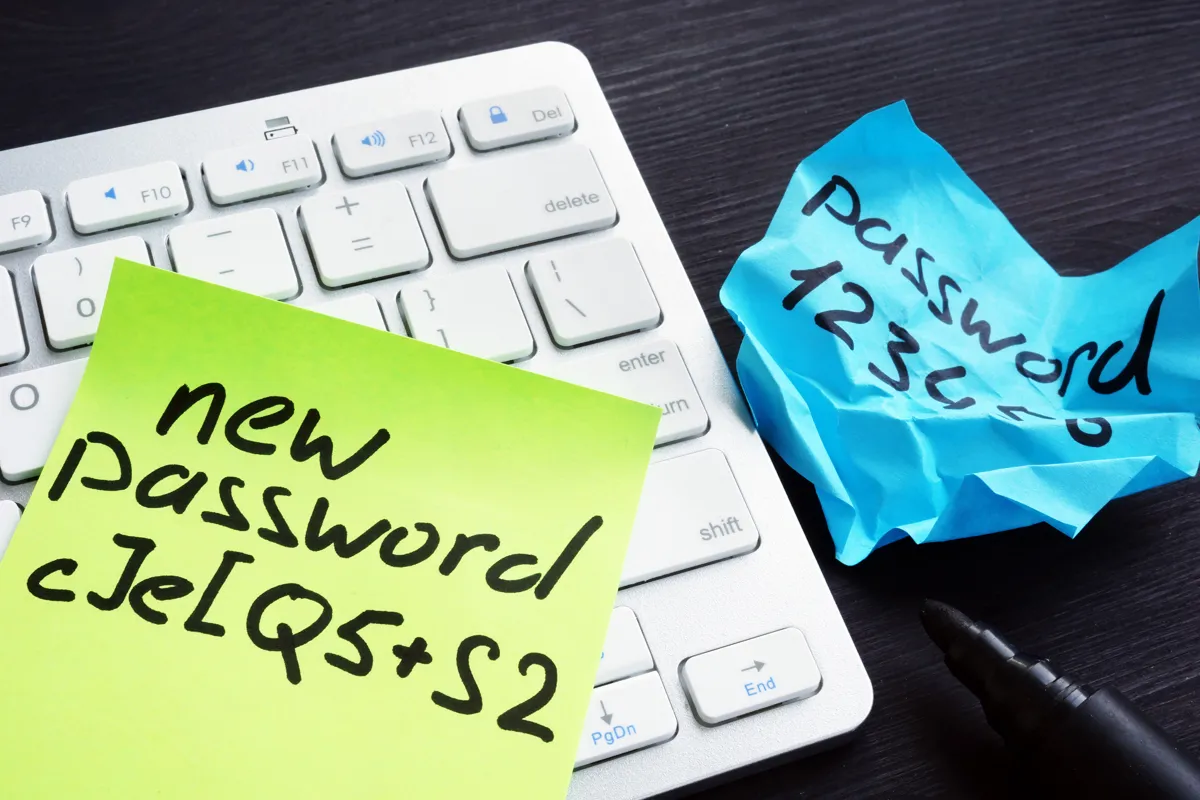
Secure passwords act as a formidable barrier against unauthorized access. They are the digital locks that keep cybercriminals at bay. A strong password is one that is difficult to guess, containing a combination of uppercase and lowercase letters, numbers, and special characters. It should be unique for each account, eliminating the risk of a single breach compromising multiple services. By emphasizing the importance of crafting robust passwords, seniors can significantly reduce their susceptibility to cyberattacks and ensure their online safety.
Moreover, secure passwords play a pivotal role in preventing identity theft. Seniors often possess a wealth of personal and financial information that makes them attractive targets for cybercriminals. With access to this information, attackers can wreak havoc on an individual’s financial well-being and reputation. By understanding the potential repercussions of weak passwords, seniors can take proactive steps to fortify their digital identities and shield themselves from the devastating effects of identity theft.
In the following sections, we will delve deeper into strategies for creating strong and memorable passwords that stand as effective safeguards against cyber threats. We will explore the role of password managers in simplifying the process of password management, and we’ll discuss the importance of regular maintenance to ensure ongoing password security. By arming themselves with the knowledge and tools to create and manage secure passwords, seniors can navigate the digital landscape with confidence and peace of mind.
Password Management: Strategies for Crafting Strong and Memorable Passwords
Crafting strong and memorable passwords is a fundamental skill in today’s digital age, especially for seniors who may be new to the complexities of online security. The task might seem daunting, but with the right strategies, it can become a straightforward and empowering practice. Here are some effective techniques that seniors can use to create passwords that are both strong and easy to remember.
- Passphrases: Consider using passphrases instead of single-word passwords. A passphrase is a series of words or a sentence that holds personal meaning but is difficult for others to guess. It offers a balance between security and memorability. For instance, “GardenSunshine2023!” is a strong passphrase that incorporates uppercase letters, numbers, and special characters while evoking a pleasant image.
- Acronyms and Abbreviations: Create passwords using acronyms or abbreviations of your favorite quotes, song lyrics, or personal mottos. For instance, “I’ll Be Back Tomorrow” can become “IBBT2023!” – a unique and memorable password that reflects your interests.
- Personal Connections: Utilize combinations of names, places, and significant dates in your life. You can take your pet’s name, your favorite city, and your birthdate to create a strong and personal password. For example, “FluffyNYC1960!”.
- Random Word Combinations: Choose a few random words and combine them to create a password. This method adds an element of randomness, making it difficult for attackers to guess. For instance, “BlueGuitarCoffee$” is a unique combination that’s easy to remember.
- Substitution and Variation: Apply simple substitutions to your passwords, such as replacing letters with numbers or special characters. For instance, “Pa$$w0rd” is a recognizable word with added complexity. Just ensure that the substitutions are not predictable, like using “3” for “E.”
- Personal Memories: Draw inspiration from personal memories or experiences. A significant moment from your past, combined with relevant numbers, can result in a strong yet sentimental password. For example, “HikingMtRainier1987!” encapsulates a cherished memory.
Harnessing the Power of Password Managers
Using a password manager can greatly simplify and enhance your password management practices. These tools are designed to securely store and organize your passwords while offering various features that contribute to your online security. Here’s a list of reasons why seniors should consider harnessing the power of password managers:
- Password managers generate and store complex passwords for each of your accounts. This eliminates the need to create and remember multiple passwords, ensuring that each account has a unique and strong password to deter cyberattacks.
- Password managers use advanced encryption methods to protect your stored data. This means that even if the password manager’s database is compromised, your passwords remain encrypted and unreadable to attackers.
- With a password manager, you only need to remember one master password to access all your stored passwords. This convenience reduces the cognitive load of managing numerous passwords across various platforms.
- Password managers can automatically fill in your login credentials when you visit websites or apps. This saves time and prevents the risk of falling victim to phishing attacks by ensuring you’re always on the legitimate website.
- These tools often come with password generators that create strong and complex passwords based on your preferences. This ensures that your passwords are difficult for hackers to crack.
- Password managers allow you to access your stored passwords across different devices. Whether you’re using a computer, smartphone, or tablet, your passwords are always securely accessible.
- Many password managers remind you to update your passwords periodically. This proactive approach ensures that you consistently refresh your login credentials for added security.
- In addition to passwords, password managers often offer the option to store secure notes, such as credit card information, personal identification numbers (PINs), and other sensitive data.
- Some password managers offer emergency access features that allow trusted contacts to access your passwords in case of an unforeseen event.
- Many password managers provide educational resources and guidance on creating strong passwords and maintaining online security, which can be particularly helpful for seniors who may be less familiar with cybersecurity best practices.
Maintaining Password Health: Tips for Ongoing Security
Maintaining password health is a crucial aspect of ensuring ongoing cybersecurity for seniors. As you continue to use various online platforms and services, it’s important to adopt practices that keep your passwords secure and your digital presence protected.
One key strategy is to regularly update your passwords. Set a routine for changing passwords every few months or at least once a year. This proactive approach helps minimize the risk of unauthorized access and keeps your accounts secure. When updating passwords, strive to create new ones that are strong, unique, and incorporate a mix of letters, numbers, and symbols.
Another essential practice is to avoid using the same password across multiple accounts. While it may be tempting to use a single password for convenience, this leaves you vulnerable if one account is compromised. Each account you have should have its own distinct and robust password, reducing the potential impact of a breach.
Consider enabling multi-factor authentication (MFA) whenever possible. MFA adds an extra layer of security by requiring an additional verification step, such as a text message code or fingerprint scan, in addition to your password. This makes it significantly harder for unauthorized individuals to gain access to your accounts, even if they manage to obtain your password.
Regularly review and audit your accounts for any suspicious or unauthorized activity. Keep an eye on account statements, emails, and notifications for signs of unusual login attempts or changes to your account settings. If you notice anything out of the ordinary, take immediate action to secure your account and change your password.
Keep your password manager up to date and organized. As you create new accounts or update existing ones, make sure to add them to your password manager. This ensures that all your passwords are securely stored and easily accessible. Additionally, periodically review and remove any old or unused accounts from your password manager to maintain its efficiency.
Educate yourself about the latest cybersecurity threats and best practices. Stay informed about common tactics used by cybercriminals, such as phishing scams and social engineering, so you can recognize and avoid potential threats. By staying vigilant and informed, you’ll be better equipped to protect your passwords and personal information from online dangers.
Incorporating these practices into your online routine will contribute to maintaining strong password health and safeguarding your digital presence. By taking proactive steps to protect your passwords and stay aware of potential risks, you’ll be better prepared to navigate the online world securely and with confidence.