Multiple Faces Detected


 April 19th, 2023
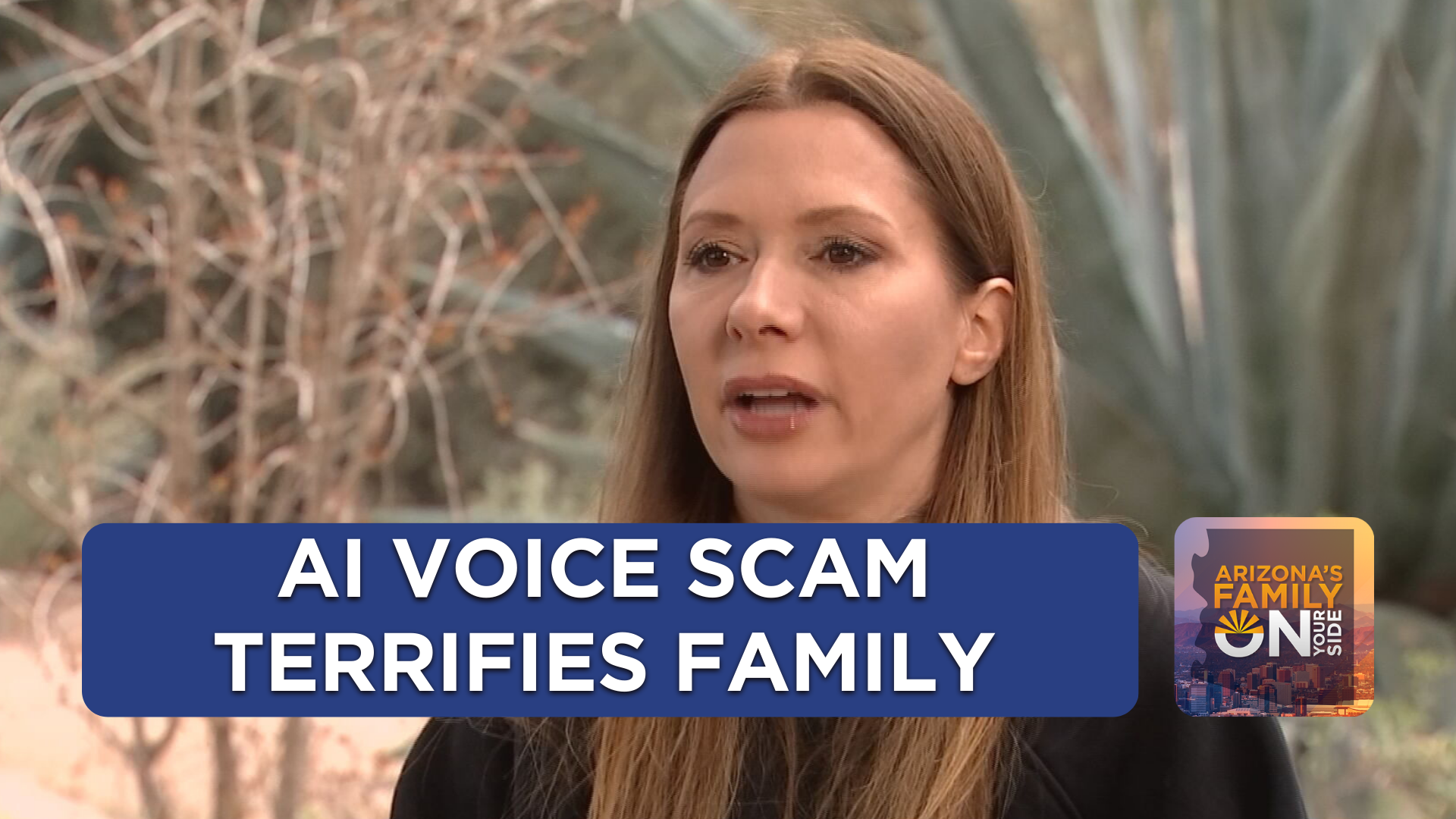
A recent incident involving an Arizona family highlights the growing concern about the dangers of artificial intelligence (AI) and voice-cloning technology. Payton Bock and her mother, DeLynne, were allegedly targeted by scammers who used voice-cloning to make it seem as though Payton had been in a car accident and was being held captive. The scammers reportedly used foul language and made vulgar threats, causing the family to believe that the situation was real. The incident has raised awareness about the potential for AI and voice-cloning technology to be used in scams and fraud, and the need for increased caution and awareness among the public.
The Details of the Scam: How AI Voice-Cloning Technology Was Used to Trick the Family
According to reports, the scammers used voice-cloning technology to make it sound like Payton Bock was in distress, crying and pleading with her parents to save her life. The scammers then claimed that Payton had been involved in a car accident and was being held captive by a man who was making vulgar threats and using foul language. The family was understandably shocked and frightened, believing that the situation was real.
The scammers were able to use voice-cloning technology to make it seem as though the calls were coming from Payton’s phone number, adding to the family’s confusion and making it difficult for them to determine that it was a scam. The use of voice-cloning technology is particularly concerning because it can make it almost impossible to tell if a call is genuine or not.
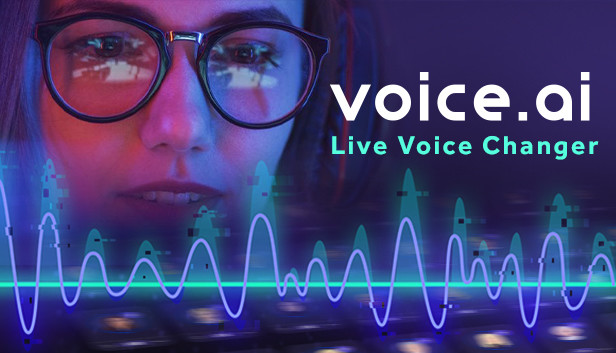
Voice-cloning technology is a relatively new development, and scammers are increasingly using it to trick people into giving away sensitive information or money. In some cases, scammers have used voice-cloning to impersonate celebrities or high-ranking officials, further adding to the credibility of their scams.
The potential for voice-cloning technology to be used in scams and fraud has led to calls for increased regulation and oversight of the technology. However, regulating the use of voice-cloning technology is a complex issue, and there are concerns that any attempts to do so could stifle innovation and development in the field.
Despite the challenges, it is clear that there is a need for greater awareness and education about the potential risks of AI and voice-cloning technology. This includes educating the public about how voice-cloning technology works, and how to identify and avoid scams that use this technology.
The incident involving the Bock family is a wake-up call for all of us. As AI and voice-cloning technology continue to evolve, it is more important than ever to be vigilant and cautious when receiving phone calls or messages from unknown sources.
The Impact of the AI Voice Cloning Scam: How the Family Reacted to the Harrowing Incident

The impact of the scam on the Arizona family was profound and long-lasting. DeLynne, the mother, recalls feeling helpless and terrified when the scammer used voice-cloning technology to impersonate her daughter. The fact that the scammer was able to use Payton’s voice to create a sense of urgency and panic made the situation even more frightening. DeLynne’s husband, who took the phone call, was also deeply affected by the experience. He felt helpless as he listened to the scammer’s threats and vulgar language.
For Payton, the experience was traumatizing. She says she cried for two days straight and that it was the worst day of her life. She was shocked to find out that the scam had been carried out using her own voice. It was a violation of her privacy and a deeply personal attack on her and her family.
The impact of the scam was not limited to the day it occurred. DeLynne says that she still has trouble sleeping at night, and that the experience has made her more cautious and vigilant about potential scams. She also worries about the long-term psychological effects of the experience on her family.
The impact of the scam also extended beyond the family, as they shared their story on TikTok and other social media platforms. The response from the public was overwhelming, with many people sharing their own stories of being targeted by similar scams. The family’s decision to speak out was a brave one, as it helped raise awareness about the dangers of voice-cloning technology and how it can be used to carry out scams.
Despite the trauma and fear caused by the scam, the family has also found some comfort and support in the aftermath. DeLynne says that the response from law enforcement was reassuring and that they were impressed with how quickly the police responded to the situation. She also says that the outpouring of support from the public has been heartwarming and has helped her family heal.
The Growing Concerns about AI and Voice-Cloning Technology: Why Experts are Warning of the Dangers
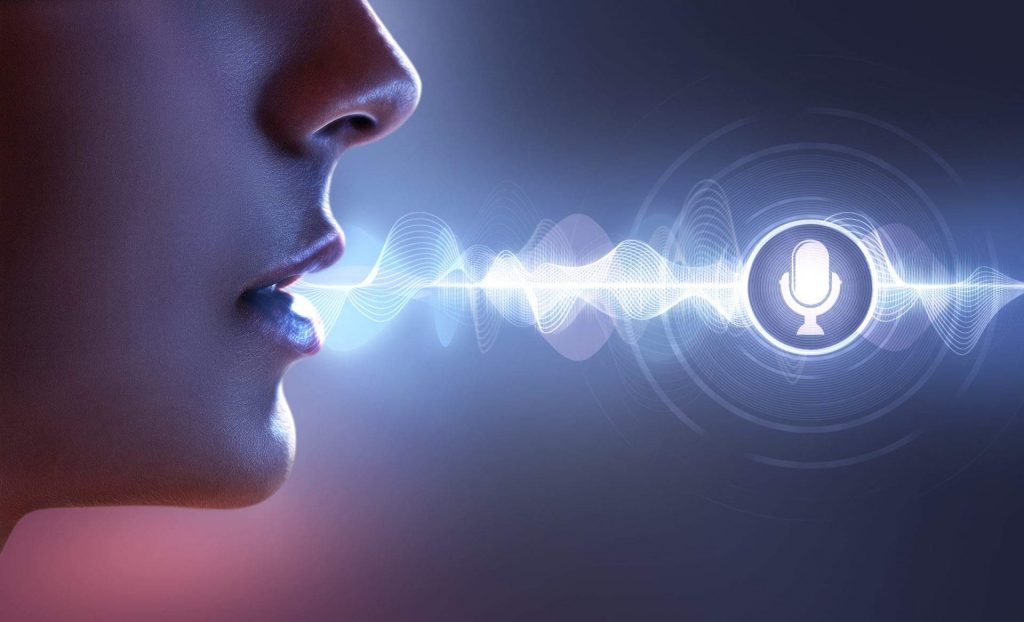
The incident faced by the Arizona family is not an isolated case, and experts have long warned about the dangers of AI and voice-cloning technology. The proliferation of this technology has led to concerns about the potential misuse of deepfake audio and video, which can be created using AI algorithms. Deepfake technology can create realistic audio or video of people saying or doing things they have never done. This technology can be used for various purposes, including pranks, hoaxes, and even crimes.
One of the most significant concerns surrounding AI and voice-cloning technology is its potential use in financial scams. Scammers can use deepfake audio to impersonate victims, their family members or friends, and convince them to transfer money or provide personal information. Voice-cloning technology has become so sophisticated that it can now replicate a person’s voice with high accuracy, making it increasingly challenging to distinguish between real and fake audio.
Moreover, AI and voice-cloning technology can be used to manipulate public opinion by spreading fake news or propaganda. Deepfake audio or video can be created to misrepresent politicians, celebrities, or other public figures, causing damage to their reputation or spreading false information. The use of AI in disinformation campaigns can have severe consequences for democratic processes, public trust, and social cohesion.
There are also concerns about the potential use of voice-cloning technology in espionage and cybercrime. AI algorithms can be used to create audio for impersonation or to mask the identity of the speaker. This can be used to carry out cyberattacks, steal sensitive information or commit other criminal activities. With voice-cloning technology becoming more advanced, the potential for misuse is increasing.
How to Protect Yourself from AI Voice Cloning Scams: Tips for Staying Safe in a World of Evolving Technology

Here’s a list on how to protect yourself:
- Be wary of unsolicited phone calls, emails, or messages. Scammers often use these channels to target victims.
- Verify the identity of the caller or sender before responding. Ask for their name, organization, and contact details, and check them against credible sources.
- Avoid sharing personal information, such as passwords, social security numbers, or financial data, with unknown or unverified individuals.
- Use two-factor authentication and strong passwords to secure your online accounts and devices.
- Install anti-virus and anti-malware software on your computer and mobile devices, and keep them up to date.
- Regularly back up your data to protect against data loss and ransomware attacks.
- Educate yourself about the latest AI scams and tactics used by scammers. Stay informed about the latest news and trends in AI and voice-cloning technology.
- Report any suspicious activity or potential AI scams to the relevant authorities, such as the Federal Trade Commission (FTC) or local law enforcement.
- Trust your instincts and use common sense. If something seems too good to be true, it probably is. Be cautious and take steps to protect yourself from potential AI scams.