
 Multiple Faces Detected



 August 20th, 2021
Whether it’s your first or last year of college, it’s always exciting to shop for different school supplies online, including books, markers, or backpacks. While there are so many stores, ads, and items to choose from, you must still be able to spot different online shopping scams. In this article, we will discuss the various types of college online shopping scams to avoid and how you can do so. If you want to ensure a smooth and enjoyable online shopping experience, keep reading!
Types of College Online Shopping Scams

Protecting yourself against scammers can be hard if you don’t know the following types of college online shopping scams to avoid:
Textbook Scams
Given that most college textbooks are expensive, you may end up looking for stores online that sell the books at more affordable prices. While this may be a good strategy, scam artists are quick to maximize this opportunity by using fake sites offering books at relatively low prices. However, you will never get the textbooks because they’re non-existent.
Other scammers will give you fake codes for digital downloads. You may end up downloading malware, which will infect your device. That’s why it’s best to shop from reputable sites to avoid these problems.
Fake Stores
In relation to textbook scams, fake stores are rampant online. Scammers will imitate the websites of legitimate and popular stores, including the logo, layout, and photos. Although it looks like a real e-commerce store at first glance, if you check the URL, the creation date of the domain, and browse the content, you will see that it has just been set up.

Fake Advertisements
Aside from creating fake sites and stores, scam artists are also fond of creating fraudulent ads to mislead and victimize college students. You may see ads on social media or in your email, highlighting crazy discounts for all items you need to go back to school. However, if you look closely, you may notice poor grammar or typological errors in the ad. This is why you must think before you click, and see whether the ad is from a legitimate store or just another money-making scheme.
Fake Giveaways
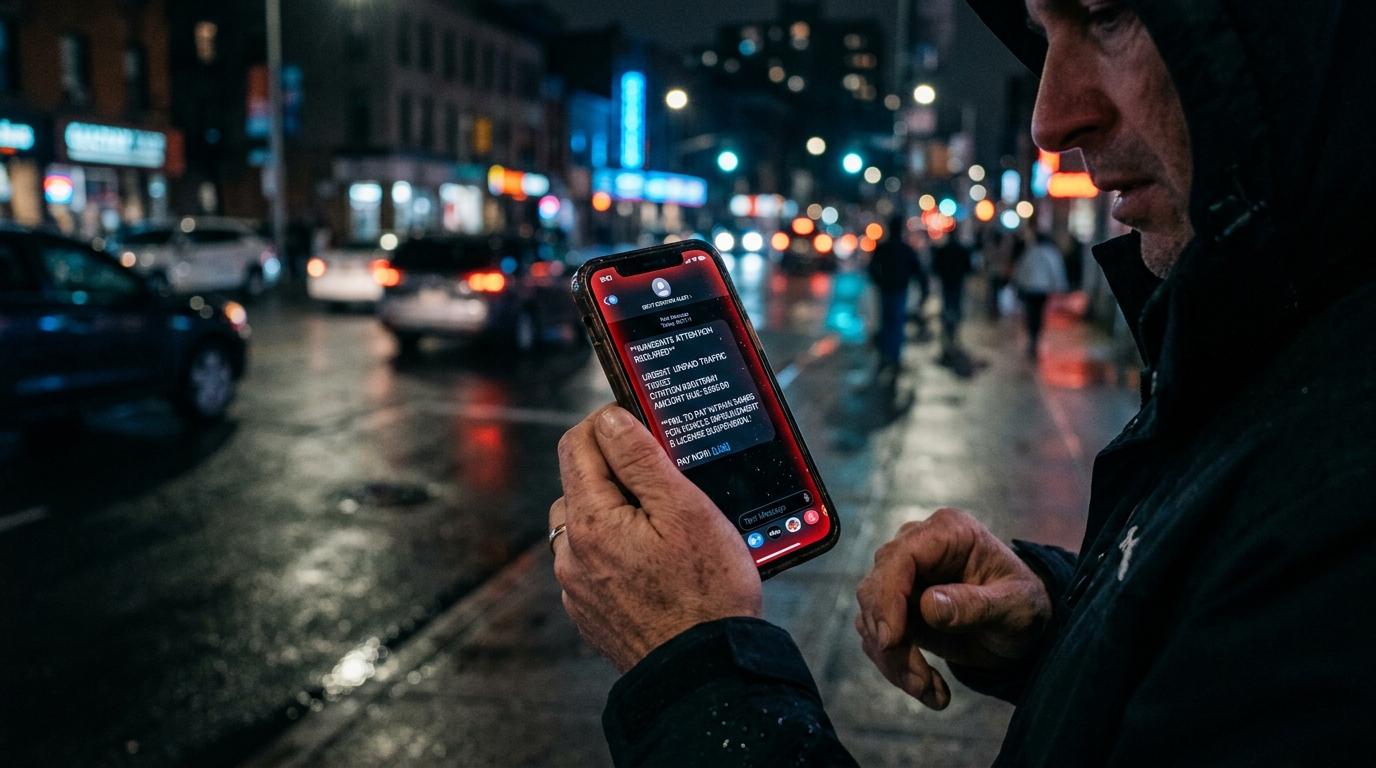
One of the most common college online shopping scams to avoid is fake freebies and giveaways. You may think it’s your lucky day after receiving a text message that you can shop for back-to-school items for free. However, there is no such thing, and scammers will urge you to visit a suspicious site that will solicit your personal information. Entertaining these links will only lead to identity theft or infected devices, so do not get blinded by these fraudulent offers.
Mystery Shopping
Mystery shopping scams are also common, especially when you may want to get a job that matches your schedule and allows you to earn while studying. In this type of scam, you will receive an email inviting you to become a mystery or secret shopper. Earning money while shopping may sound like a perfect job until you hear scammers asking you to pay an up-front fee to proceed with your application. No legitimate employer would require you to make a payment when applying for a job.
How To Avoid College Online Shopping Scams

Having discovered the college online shopping scams, learn how to avoid them through the following:
- Compare prices between shops before purchasing any item. Doing so will help you see which ones are too unrealistic.
- Do not accept any mystery shopping opportunities that advertise a huge amount of money for minimal work.
- Review the delivery, refund, and privacy policies of each store. While this seems tedious, it helps you detect fake stores and save yourself from unnecessary stress.
- Search the product and store online before making your purchase. Read reviews, and enter keywords like complaints or scams.
- Review links before clicking on them. Scammers usually play with the letters, so check if the URL is from a legitimate store.
- Do not pay through gift cards or wire transfers. Scammers love these payment options because you do not have much chance of getting your money back.
- Check the date on which the website domain was created. If it’s relatively new, stay suspicious.
- Avoid sellers that pressure you to purchase immediately. This is not something a legitimate seller would do.
- Do not use websites that ask you to provide your personal information or download software to get discounts or coupons.
- Report any scam that you’ve been a part of to the FTC.
Beat College Online Shopping Scams With Social Catfish
Online shopping for school may be fun and exciting, but scammers also enjoy shopping for their next victim. So, take note of the various college online shopping scams to avoid. If you think someone’s attempting to add you to the list, discover their identity instantly using the reverse search platform available at Social Catfish!