
 Multiple Faces Detected



 May 9th, 2026
When someone you are in a relationship with or someone you met online consistently refuses to FaceTime, it creates a specific kind of anxiety. You cannot quite put your finger on why it bothers you so much, but something feels off. Maybe they have excuses every time. Maybe they only call when it is convenient for them. Maybe they have never once agreed to a live video call despite weeks of conversation.
A partner who won’t FaceTime you is not automatically hiding something. There are innocent explanations, and there are serious ones, and knowing how to tell the difference is what matters. This guide covers every reason someone might refuse FaceTime, the specific red flags that separate privacy preferences from deception, the signs of FaceTime cheating, and how to verify who you are really talking to when your instincts are telling you something is wrong.
Why Won’t He FaceTime Me? Common Reasons
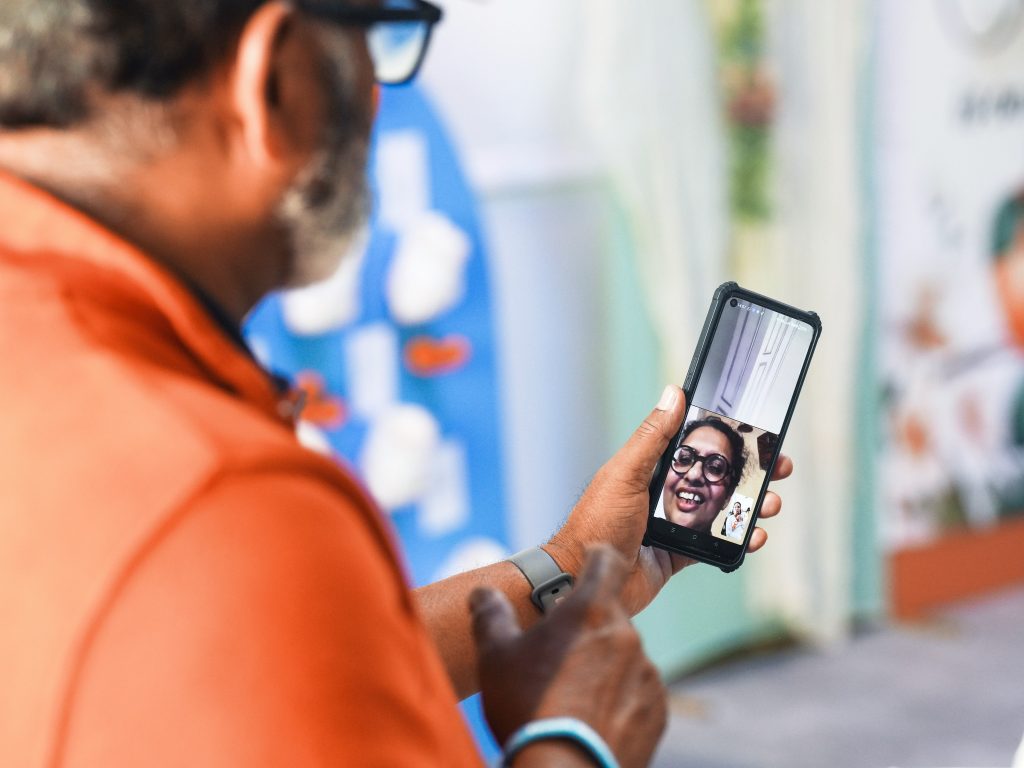
Why won’t he facetime me is one of the most searched relationship questions online, and the answer spans a wide range from completely innocent to genuinely concerning. Starting with the innocent explanations gives you the most accurate framework for evaluating your specific situation.
He is camera-shy or self-conscious. Some people are genuinely uncomfortable on video calls. They dislike how they look on camera, feel awkward with the format, or have had bad experiences with video calls in the past. This is more common than most people realise and has nothing to do with deception.
His environment is not private. He may share a living space with roommates, family members, or a situation where a video call would expose him to unwanted questions or interruptions. Some people are genuinely private about their relationships and prefer not to have calls overheard.
He has technical issues or a weak connection. Video calling requires a reasonably stable internet connection. If he is frequently in locations with poor connectivity, travelling in rural areas, or on a restricted network, FaceTime may genuinely not work reliably.
He prefers text or voice. Communication style preferences are real. Some people find video calls draining or awkward and genuinely prefer other forms of communication, regardless of what they are hiding.
When the innocent reasons start to feel less innocent: Any of the above explanations becomes a red flag when it is consistent, when it appears alongside other concerning behaviour, or when the excuse changes each time you ask. A single technical issue is plausible. Technical issues every single time you suggest a video call for weeks is a pattern.
Why Won’t She FaceTime Me?
Why won’t she FaceTime me carries the same range of explanations as above: camera shyness, privacy preferences, communication style, and genuine technical limitations are all equally common for women as for men. The additional layer for this search is that many people asking this question met the person online and have never seen them on a live call at all.
If you met someone on a dating app or social media and they have never once agreed to a live, spontaneous FaceTime despite weeks of text and voice communication, that pattern is meaningfully different from a long-term partner who just prefers not to video call. The former raises questions about whether the person is who their photos show. The latter is a communication preference difference.
The key question is not whether she will FaceTime, but whether she ever has, whether the refusal is consistent and excuse-based, and whether it is accompanied by other signals that suggest her presented identity may not be genuine.
Boyfriend Won’t FaceTime Me: Red Flags to Watch For
Boyfriend won’t FaceTime me becomes a red flag rather than a preference when specific patterns accompany the refusal.
He is always “busy” at the exact times you suggest. Genuine scheduling conflicts happen. A pattern where every suggested time is unavailable, but he is reliably available for text conversations, suggests the issue is not scheduling.
He calls you, never the other way around. A partner who only initiates FaceTime on his terms when it is convenient for him and declines or avoids calls you initiate has control over when you see him live. This control is itself worth examining.
The video quality is always “bad.” Pre-recorded videos, frozen frames, and poor video quality that conveniently obscures his face are techniques used by people who cannot or will not appear live on camera. If video quality is consistently problematic across different calls and locations, that pattern is unusual.
He ends calls quickly when someone enters the room. A partner who abruptly ends or avoids calls when other people are nearby without introducing you or explaining who he is talking to may be managing a situation you are not aware of.
He has never done a spontaneous call. Every FaceTime requires advance notice or scheduling, and spontaneous requests are always declined. A genuine person with nothing to hide can take a quick call with minimal notice.
Girlfriend Won’t FaceTime Me: What It Could Mean
Girlfriend won’t FaceTime me; concerns are often present slightly differently. The refusal is sometimes framed as anxiety or body image issues, which can make it harder to distinguish genuine insecurity from deliberate avoidance.
Genuine camera anxiety is real and should be taken seriously. If your girlfriend has been open about her discomfort on camera, the pattern is consistent with that explanation, and the rest of the relationship feels genuine and transparent, this is likely a communication preference rather than a red flag.
The pattern that warrants concern is when the FaceTime avoidance is accompanied by other inconsistencies. Her story has small details that change between conversations. You feel like you are sometimes talking to a different person. She is available and warm over text, but becomes unavailable or evasive whenever anything live or spontaneous is suggested. The camera issue is always the given reason, but the underlying anxiety never seems to decrease over time, even as the relationship deepens.
Signs of FaceTime Cheating
Signs of FaceTime cheating are different from refusal to FaceTime; they apply to partners who do use FaceTime but in ways that suggest they are using it to communicate with someone else secretly.
They leave the room for calls. A partner who consistently takes calls in another room, lowers their voice, or positions themselves so you cannot see the screen may be managing a communication they do not want you to know about.
They delete their FaceTime call history. iPhones keep a log of recent FaceTime calls in the Phone app under Recents. A partner whose FaceTime log is consistently empty or who clears it regularly is removing a record that would otherwise be visible.
They receive calls at unusual times. Early morning or late-night calls that they take out of earshot, or calls they decline in front of you and do not mention later, are facetime cheating signs worth noting.
Their phone screen is always face-down or locked when calls come in. Managing incoming calls so you cannot see the caller ID while appearing casual about it is a behaviour pattern that suggests active concealment.
They are defensive when you ask about their calls. A partner with nothing to hide responds to questions about their communication with transparency or mild confusion about why you are asking. Disproportionate defensiveness about FaceTime calls or call history is itself informative.
Why Cheaters Prefer FaceTime
FaceTime has specific features that make it attractive for concealed communication, not just for cheaters in relationships but also for catfishers and scammers managing fake identities.
No text record. FaceTime calls leave no transcript. Unlike text messages, which create a permanent, readable record, FaceTime calls leave only a call log entry, a timestamp, and duration, nothing more. Deleting that entry removes almost all evidence that the call occurred.
End-to-end encryption. FaceTime calls are encrypted by Apple, which means they cannot be intercepted or monitored at the network level. This privacy feature, designed to protect legitimate users, also protects concealed communication.
Spontaneous and unarchived. There is no FaceTime message archive, no thread to scroll back through, and no notification history accessible to anyone other than the person who received it.
The “I was on a call” cover story works universally. FaceTime provides a plausible and uncheckable explanation for being unavailable, being somewhere unexpected, or having a distracted evening.
For catfishers and romance scammers specifically, FaceTime avoidance serves a different purpose; they cannot appear on a live call because their physical appearance does not match their profile photos, or because a live call would reveal their real location, accent, or circumstances.
How to Catch Someone Cheating on FaceTime
How to catch someone cheating on facetime requires a different approach from catching other forms of communication infidelity because FaceTime leaves so little accessible evidence.
Check the Recents tab in the Phone app. On an iPhone, go to the Phone app and tap Recents. FaceTime calls appear in this log alongside regular calls. You can see recent incoming and outgoing FaceTime calls, their duration, and the contact name or number. A partner who regularly clears this log or whose log shows calls to unknown numbers is worth examining further.
Check Screen Time data. Apple’s Screen Time feature logs time spent in each app. If a partner has FaceTime usage that does not correspond with calls you are aware of, the gap may indicate calls you were not meant to know about.
Notice behavioural patterns around calls. The most reliable evidence is behavioural patterns of avoidance, sudden phone management when you are nearby, defensiveness about call history, and the disappearance of contact names from recent logs. These patterns are more informative than any single piece of technical evidence.
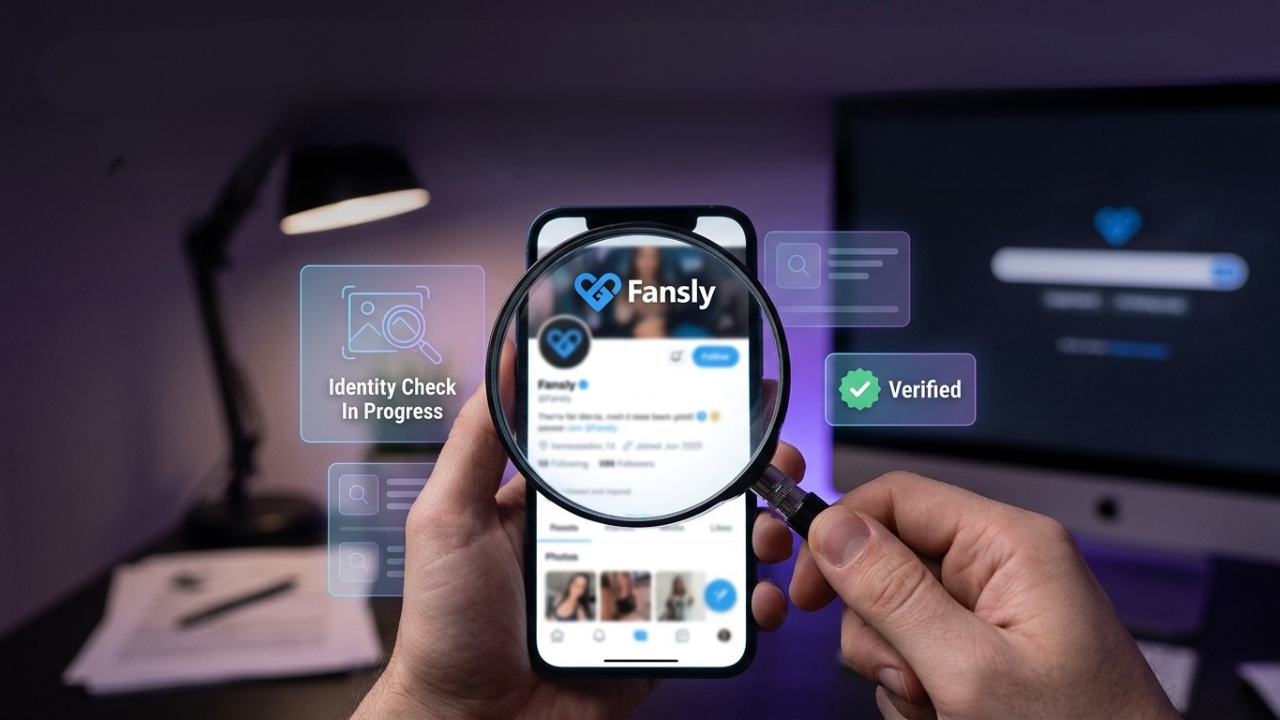
Use Social Catfish to verify who you are actually talking to. If your concern is that the person you are in a relationship with is not who they claim to be, particularly for online relationships where FaceTime avoidance has been consistent from the start, Social Catfish’s reverse search tools verify identity from whatever information you have. A phone number, an email address, a username, or a profile photo can all be cross-referenced against public records, social media, and identity databases to confirm whether the presented identity is genuine.
What to Do When Your Partner Won’t FaceTime You
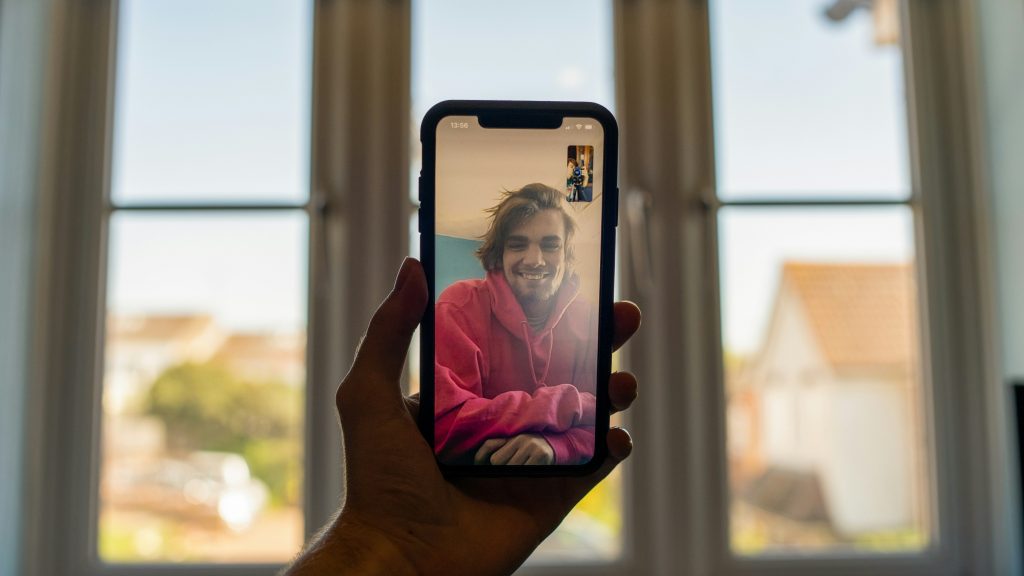
If the patterns in this guide resonate with your situation, consistent refusal, changing excuses, and other inconsistencies in the relationship, these steps give you a clear path forward.
Have a direct conversation first. Before any investigation, a direct conversation is always the appropriate first step. Express that video calling matters to you and explain why. A genuine partner responds to this conversation. The response you get or do not get is itself informative.
Request a live, spontaneous video call with a specific action. Ask them to FaceTime right now and do something specific in the moment wave, hold up a specific number of fingers, or say a phrase. This request cannot be fulfilled with a pre-recorded video. The response tells you whether live video contact is possible at all.
Run a reverse image search on their profile photos. If you met this person online and they have never done a live call, upload their profile photos to Social Catfish’s reverse image search. Facial recognition confirms whether the photos belong to a consistent real identity or have been taken from someone else’s social media. A stolen profile photo explains FaceTime avoidance immediately and completely.
Run a reverse phone or name search. Enter their phone number, email address, or name into Social Catfish’s reverse search. This cross-references those details against public records, social media, and identity databases, confirming whether the identity they presented is real and consistent. A catfisher or scammer using a false identity produces inconsistencies here that a genuine person does not.
Trust your instincts and act on what you find. The anxiety that brought you to this article is information. A partner who consistently refuses FaceTime while displaying other concerning patterns is not someone whose explanations deserve indefinite benefit of the doubt.
FAQ
The most common innocent reasons are camera shyness, privacy preferences, poor connectivity, and communication style differences. The pattern becomes concerning when refusal is consistent, excuses change each time, and it is accompanied by other signals like inconsistent stories, controlling when contact happens, or behaviour suggesting a hidden situation.
On its own, some people genuinely dislike video calls. It becomes a red flag when it is consistent across every attempt, when excuses change, when it is accompanied by other inconsistencies, or when you met the person online, and they have never agreed to any live video contact at all.
Leaving the room for calls, clearing FaceTime call history, receiving calls at unusual times, holding the phone face down when calls come in, and being defensive about call logs are the most consistent signs.
Run a reverse image search on their profile photo through Social Catfish. If the photos belong to someone else, the FaceTime avoidance is explained. Run a reverse phone search on their number to confirm the identity behind their contact details matches what they have told you.
Yes, pre-recorded videos can be played during a FaceTime call to simulate a live appearance. Testing with a spontaneous real-time request, a specific gesture or phrase asked in the moment, defeats pre-recorded video because it requires an immediate, unscripted response.
Conclusion
A partner who won’t FaceTime has either an innocent reason or a concerning one, and the patterns surrounding the refusal are what tell you which is more likely. Camera shyness and communication preferences are real. Consistent excuse-based avoidance across weeks, accompanied by other inconsistencies, is something different.
If your instincts are telling you something is wrong, the most practical next step is verification. Social Catfish’s reverse image search confirms whether the profile photos belong to a real, consistent identity. The reverse phone and name search confirms whether the identity behind their contact details matches who they claim to be. That verification either resolves your concern or confirms it; either outcome is better than continued uncertainty.