Multiple Faces Detected


 January 21st, 2026
Your phone rings. It’s your daughter. She sounds scared.
“Mom, I’ve been in an accident,” she says, voice shaking. “I need money right now. Please don’t tell Dad.”
You panic. Your heart races. But here’s the thing: it might not be your daughter at all. It could be an AI phone call scam. And scammers only need three seconds of audio to clone someone’s voice.
Welcome to 2024, where artificial intelligence has made phone scams more convincing than ever. The person on the other end sounds exactly like your loved one. Same voice. Same tone and same little quirks. But it’s fake. Completely fake.
According to the Federal Communications Commission, scammers are now using AI voice cloning to impersonate celebrities, elected officials, and even your own family members. These AI phone calls spread misinformation, endorse fake products, and steal money. Lots of it.
In one case, a woman lost $15,000 after receiving what she thought was a call from her crying daughter. She withdrew cash and handed it over to a “driver” who showed up at her house. It wasn’t until her grandson got the real daughter on the phone that the scam stopped.
That’s what we’re dealing with now.
What Exactly Is an AI Phone Call Scam?
An AI phone call scam happens when criminals use artificial intelligence to replicate someone’s voice. They grab a short audio clip from social media, a voicemail, or even a public video. Then they feed it into an AI tool that creates a voice clone.
The result? A fake voice that sounds eerily real.
Scammers use this cloned voice to call you pretending to be a family member in trouble. They’ll claim they’ve been arrested, kidnapped, or involved in a car accident. They need money fast. And they don’t want you to tell anyone else.
It’s called the grandparent scam, but it targets everyone.
How Do Scammers Clone Voices?
Here’s the scary part. It’s easy.
Scammers start by researching you on social media. They look for videos where your family members are talking. Maybe it’s a birthday video on Facebook. Or a TikTok your kid posted. Even a voicemail greeting works.
Once they have a few seconds of audio, they use AI voice cloning software to create a synthetic version of that person’s voice. They can make it say anything.
Then they call you.
Sometimes they’ll play a pre-recorded message. Other times, they use live voice-changing technology to sound like your loved one in real time. Either way, it’s convincing enough to fool most people.
And if you’ve ever posted videos on social media, your voice is already out there waiting to be cloned.
Common Types of AI Voice Scams
The Emergency Scam
This is the most common. You get a call from someone who sounds exactly like your child, grandchild, or sibling. They’re in trouble. They need money immediately. They beg you not to call anyone else.
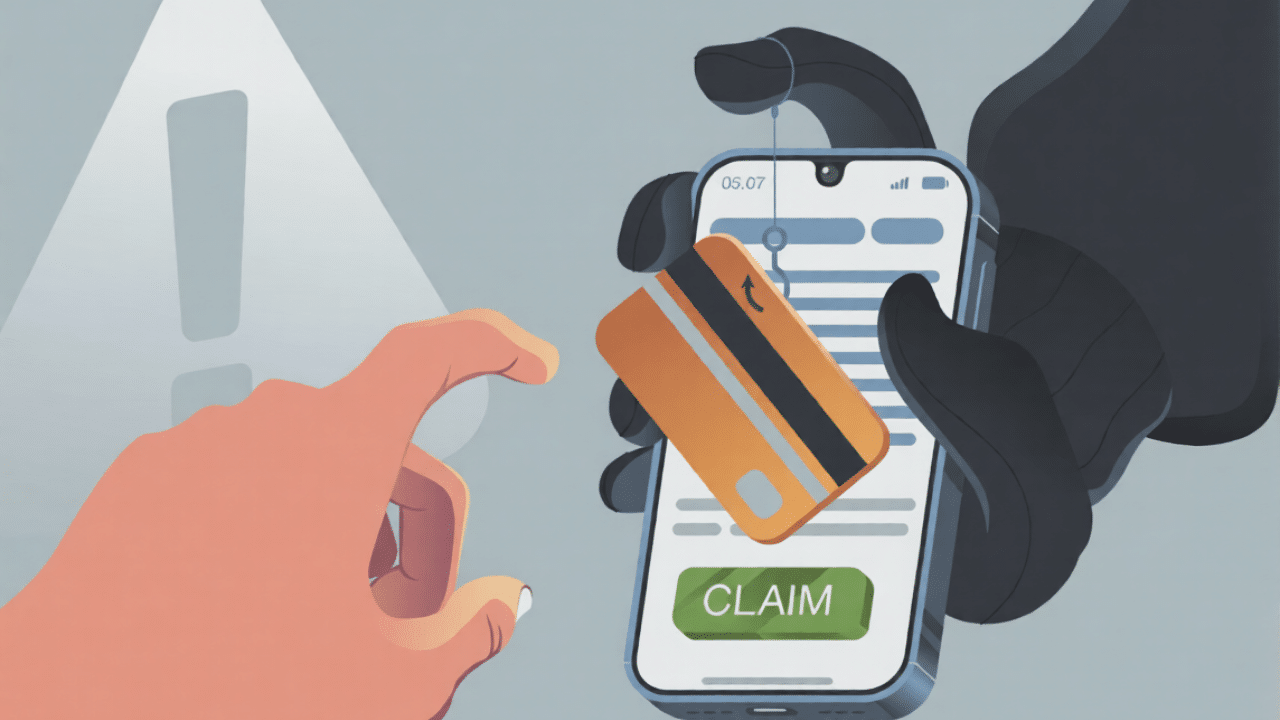
After a brief moment, someone else takes over the call. They claim to be a lawyer, a police officer, or a kidnapper. They tell you to wire money, buy gift cards, or send cryptocurrency.
The Fake Kidnapping
Scammers target families with a large online presence. They clone a child’s voice and call a parent claiming the child has been kidnapped. You hear crying and screaming in the background. Then a “kidnapper” demands ransom money.
It’s terrifying. And it works.
The Account Access Scam
Some scammers use AI voice cloning to access your bank account. They call your financial institution pretending to be you. If your bank uses voice recognition for security, the scammer can fool the system and drain your account.
In one case, a Florida investor nearly lost thousands when scammers used AI to impersonate him. Luckily, the bank spotted the scam and hung up.
How to Spot an AI Phone Call Scam
Even though these scams sound real, there are warning signs.
You Only Hear Their Voice Briefly
Scammers know the longer they use a cloned voice, the more likely you’ll catch on. So you’ll only hear your “loved one” for a few seconds. They’ll say something like “I’m in trouble” or “I messed up” before someone else takes over.
They Can’t Answer Simple Questions
AI can clone a voice, but it can’t clone memories. Ask specific questions only the real person would know. What did we have for dinner last night? What’s your dog’s name? What’s the nickname I call you?
If they hesitate or give wrong answers, hang up.
They Demand Payment Through Untraceable Methods
Scammers want money that can’t be traced. That means wire transfers, gift cards, cryptocurrency, or cash pickups. If someone asks you to pay this way, it’s a scam.
Real emergencies don’t require gift cards.
The Call Comes From an Unknown Number
Most AI phone calls come from numbers you don’t recognize. Sometimes they use caller ID spoofing to make it look like the call is coming from a trusted number. But if you don’t recognize it, be suspicious.
If you’re constantly getting scam call numbers or no caller ID calls, you’re already a target.
You’re Pressured to Act Fast
Scammers use urgency to make you panic. They don’t want you to think. They don’t want you to verify the story; they just want you to send money right now.
Slow down. Take a breath. Real emergencies can wait five minutes while you verify the facts.
How to Protect Yourself From AI Voice Scams
Create a Family Code Word
Set up a secret word or phrase with your family. If someone calls claiming to be in trouble, ask for the code word. If they can’t give it, hang up.
Make sure the code word isn’t something scammers could find online. Don’t use your dog’s name or your favorite vacation spot. Pick something random.
Verify the Caller’s Identity
Always hang up and call the person back using a number you know is theirs. Don’t use the number they called from. Use the one saved in your phone.
If you can’t reach them, call another family member or friend to verify the story.
Limit Your Digital Footprint
The less audio of you online, the harder it is for scammers to clone your voice. Set your social media profiles to private. Avoid posting videos where you’re talking. Be mindful of what you share.
And if you have kids, teach them about online safety early.
Use a Reverse Phone Lookup
If you get a suspicious call, use a reverse phone lookup to see who’s really calling. This can help you identify scam phone numbers before you answer.
Don’t Trust Caller ID
Scammers can fake a caller ID to make it look like the call is coming from someone you trust. Even if it looks like your daughter’s number, verify before acting.
Learn more about what no caller ID means and why calls get restricted.
Never Share Personal Information Over the Phone
If someone calls asking for your Social Security number, bank account details, or passwords, hang up. Real companies and law enforcement won’t ask for this information over the phone.
If you’re unsure whether a call is legitimate, use Social Catfish to verify the caller’s identity.
What to Do If You’ve Been Scammed

If you think you’ve fallen for an AI phone call scam, act fast.
- Contact your bank immediately. If you sent money, report it to your financial institution. They may be able to stop the transaction.
- Report the scam. File a report with the Federal Trade Commission and your local police.
- Warn your family. Let your loved ones know what happened so they don’t fall for the same scam.
- Change your passwords. If you shared any personal information, update your passwords and security questions immediately.
How Social Catfish Can Help
The best defense against AI phone calls is knowing who’s really on the other end of the line. That’s where Social Catfish comes in.
Social Catfish offers comprehensive search tools that help you verify identities before you get scammed. With reverse phone lookup, reverse image search, and social media searches, you can quickly identify scammers and protect yourself from fraud.
Whether you’re dealing with fake video chats, dating app scams, or suspicious phone calls, Social Catfish gives you the tools to investigate and verify before you act.
Don’t wait until it’s too late. Use Social Catfish to stay one step ahead of scammers.
Stay One Step Ahead
AI voice cloning has made phone scams more dangerous than ever. But you don’t have to be a victim.
Stay skeptical. Verify identities. Create code words with your family. And always remember: if something feels off, it probably is.
Scammers rely on panic and urgency. Don’t give them the satisfaction.
Take your time. Ask questions. And when in doubt, hang up and call back using a number you trust.
Because the voice on the other end might not be who you think it is.