
 Multiple Faces Detected


 October 16th, 2025
Apple gift card scams have become one of the most prevalent and costly forms of fraud today. Scammers posing as government officials, tech support, romantic interests, or even your own family members pressure victims into purchasing Apple gift cards and sharing the codes, resulting in billions of dollars stolen each year.
What makes these scams so effective? They exploit urgency, fear, and trust to bypass your better judgment. Once you share those gift card codes, the money is gone instantly, and recovery is nearly impossible.
In this guide, we’ll expose how Apple gift card scams work, the warning signs to watch for, and most importantly, how to protect yourself and your loved ones from becoming victims. If you suspect you’re communicating with a scammer online, Social Catfish can help verify identities, uncover fake profiles, and reveal the truth before you become their next target.
The Anatomy of Apple Gift Card Scams
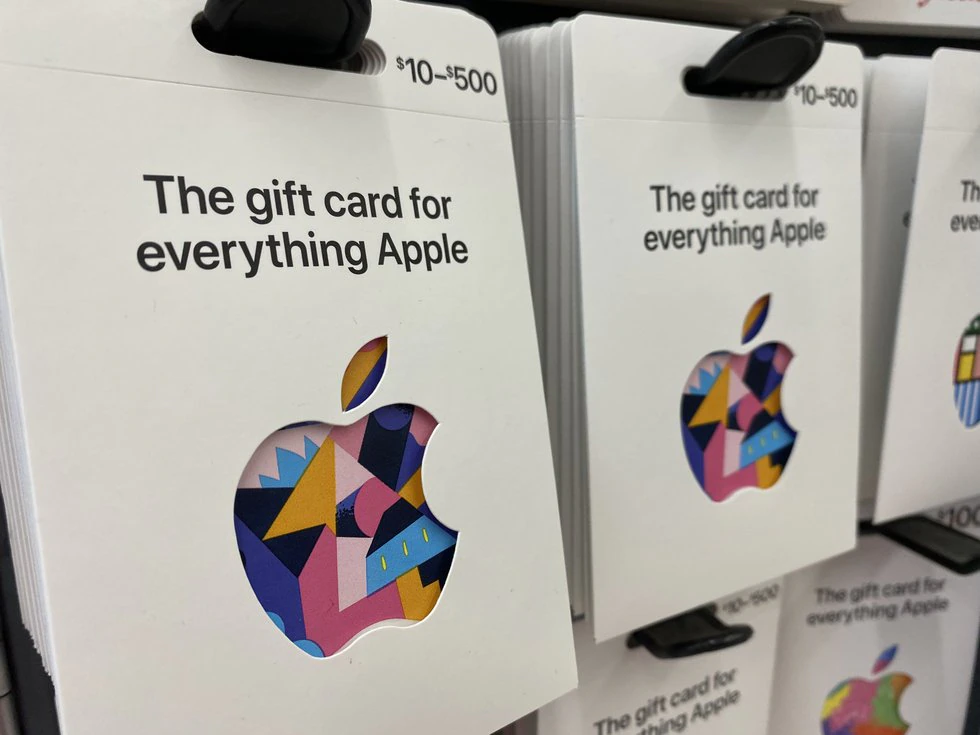
Apple gift card scams are sophisticated schemes designed to exploit the trust and goodwill of unsuspecting victims. These scams typically involve fraudsters posing as Apple representatives or tech support agents, leveraging various tactics to deceive individuals into purchasing Apple gift cards. One common scenario involves receiving a phone call or email claiming that the victim’s Apple device has been compromised or that there is a problem with their Apple ID. The scammer then instructs the victim to purchase Apple gift cards to resolve the issue, citing reasons such as security upgrades or outstanding payments.
In many cases, scammers use fear and urgency to pressure victims into complying with their demands. They may threaten the victim with legal action, account suspension, or the loss of personal data if they fail to purchase and provide the requested gift card codes promptly. These tactics aim to manipulate the victim’s emotions and cloud their judgment, making them more susceptible to the scammer’s instructions. Additionally, scammers often impersonate Apple employees or use spoofed phone numbers to lend credibility to their claims, further deceiving the victim.
Once the victim has purchased the Apple gift cards, the scammer typically instructs them to provide the card numbers and codes over the phone or through email. These codes can then be redeemed by the scammer or sold on the black market for profit. Unfortunately, once the gift card codes are provided, it becomes nearly impossible to recover the funds, as Apple gift cards are non-refundable and non-transferable. As a result, victims are left with financial losses and a sense of betrayal, while the scammers continue to perpetrate their fraudulent activities with impunity.
The anatomy of Apple gift card scams underscores the importance of awareness and vigilance in protecting oneself against such schemes. By understanding how these scams operate and recognizing the red flags associated with them, individuals can avoid falling victim to deception and financial loss. In the following sections, we will explore common tactics used by scammers, warning signs to watch out for, and practical tips for safeguarding against Apple gift card scams.
Common Tactics Used by Scammers
Common tactics employed by scammers in Apple gift card scams include:
- Impersonating Apple representatives or tech support agents to gain trust and credibility.
- Creating a sense of urgency or fear to pressure victims into complying with their demands.
- Using spoofed phone numbers or email addresses to mimic legitimate communication from Apple.
- Threatening victims with consequences such as legal action or account suspension if they do not comply.
- Instructing victims to purchase Apple gift cards and provide the card numbers and codes as payment for resolving fictitious issues.
Warning Signs: How to Recognize a Potential Scam
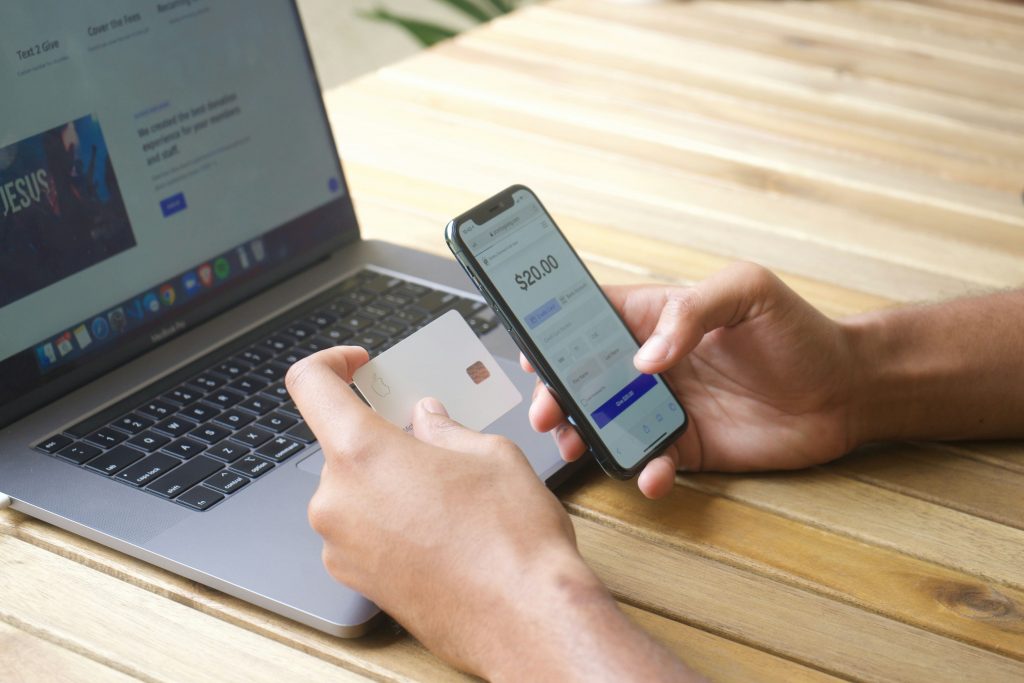
Recognizing potential scams involving Apple gift cards requires vigilance and awareness. Here are some warning signs to watch out for:
- Unsolicited communication: Be cautious of unexpected calls, emails, or text messages claiming to be from Apple or tech support. Legitimate companies typically do not initiate contact in this manner.
- Urgency or pressure: Scammers often create a sense of urgency, insisting that immediate action is required to resolve an issue or prevent consequences. They may threaten account suspension, legal action, or loss of data to coerce victims into complying.
- Request for payment via gift cards: Apple does not accept payment via gift cards for resolving technical issues, settling debts, or providing refunds. Any request to purchase Apple gift cards as payment should raise suspicion.
- Suspicious communication methods: Watch out for communication methods commonly associated with scams, such as unsolicited emails with spelling or grammar errors, calls from unknown numbers, or requests for personal or financial information.
- Lack of verification: Legitimate companies provide ways to verify the authenticity of their communication, such as official websites, customer service numbers, or email addresses. If you cannot independently verify the identity of the sender, proceed with caution.
FAQ
1. Why do scammers ask for Apple gift cards? Scammers prefer Apple gift cards because they’re untraceable and work like cash. Once you provide the card codes, scammers redeem them instantly and the money disappears. Unlike credit cards or bank transfers, gift card transactions can’t be reversed or tracked back to the scammer, making them the perfect tool for fraud with virtually no risk of getting caught.
2. What are the most common Apple gift card scams? Common scams include fake IRS or government agents demanding payment for “back taxes,” tech support scams claiming your computer is infected, romance scams where online partners request money, family emergency scams, and utility company imposters threatening to shut off services. All create false urgency to pressure you into buying gift cards immediately.
3. Can you get your money back from an Apple gift card scam? Unfortunately, recovering money from Apple gift card scams is extremely difficult. Once scammers redeem the codes, the funds are gone. However, report it immediately to Apple, the gift card retailer, the FTC, and local police. In rare cases, if the card hasn’t been redeemed yet, Apple may freeze it. Acting quickly is crucial.
4. How can you verify if someone asking for gift cards is legitimate? Legitimate organizations never ask for payment via gift cards, period. Government agencies, tech companies, and utilities accept checks, credit cards, or bank transfers. If someone requests gift cards, it’s a scam. Before sending money to online contacts, use Social Catfish to verify their identity and check if their profile is fake or stolen.
5. What should you do if you’re being pressured to buy Apple gift cards? Stop immediately and don’t purchase anything. Scammers use high-pressure tactics and urgency to prevent you from thinking clearly. Hang up, verify the request through official channels, and never share gift card codes. If it’s an online relationship or unfamiliar contact, use Social Catfish to investigate their identity before proceeding with any financial requests.
Protecting Yourself Against Apple Gift Card Scams
Protecting yourself against Apple gift card scams is paramount in safeguarding your finances and personal information. Here are some essential tips to help you stay safe:
- Verify requests independently: If you receive a call, email, or message requesting payment via Apple gift cards, independently verify the legitimacy of the request. Contact Apple or the purported organization directly using official contact information obtained from their website or official correspondence.
- Educate yourself and others: Stay informed about common scams involving gift cards, especially those targeting Apple users. Share this knowledge with friends and family to raise awareness and prevent them from falling victim to similar schemes.
- Be cautious of unsolicited offers: Exercise caution when presented with unsolicited offers or opportunities that seem too good to be true. Scammers may lure victims with promises of prizes, discounts, or exclusive deals in exchange for purchasing Apple gift cards.
- Protect personal information: Avoid sharing personal or financial information, such as credit card details or Apple ID credentials, with unknown individuals or entities. Be wary of providing sensitive information over the phone, email, or text message, especially if you did not initiate the communication.
- Report suspicious activity: If you encounter a potential scam or receive suspicious communication, report it to the relevant authorities immediately. Contact Apple Support or your local consumer protection agency to report fraudulent activity and seek guidance on how to proceed. By reporting scams, you can help prevent others from falling victim and contribute to efforts to combat fraud.