Multiple Faces Detected


 October 25th, 2023
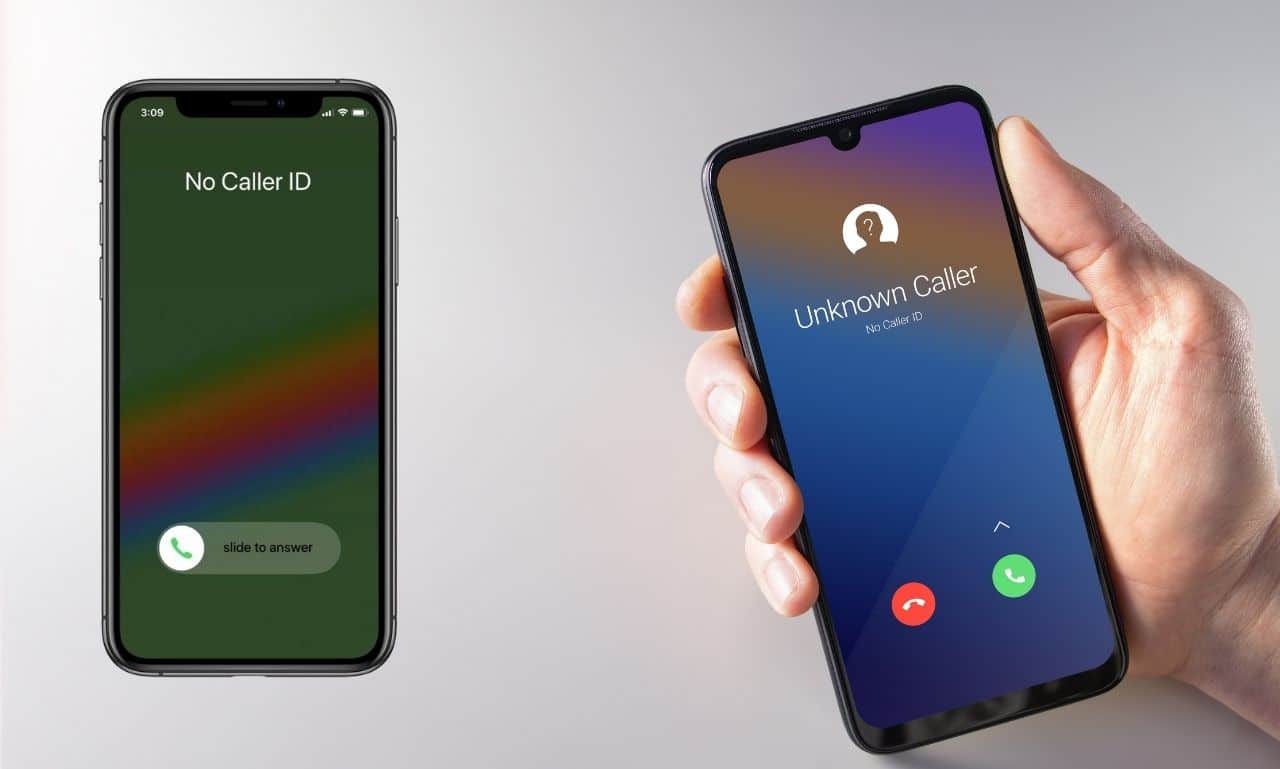
In today’s world of smartphones, caller ID, and instant communication, the ability to see who’s calling us has become a routine part of daily life. Yet, not too long ago, a mysterious feature emerged on our landline phones, concealing the identity of the caller. This enigmatic feature is known as “No Caller ID,” and its origins are rooted in both technology and privacy. To truly grasp the significance of “No Caller ID” and its evolution, we must take a journey back in time to when the concept of anonymous calls first began to take shape.
The Early Days of Telephony: Origins of Caller Privacy
In the early days of telephony, a time when telephone networks were in their infancy, the concept of caller privacy was virtually nonexistent. Communication between two parties was often facilitated by human operators who physically connected the calls through a switchboard. These operators played a central role in making calls, but they also had access to the information about who was calling whom. The privacy concerns we now associate with “No Caller ID” were not a significant issue at this time.
As telephone technology evolved and automatic switching systems replaced human operators, the notion of caller privacy began to emerge. With the advent of direct dialing, the calling party’s phone number became more visible to the recipient. This development represented a significant step toward modern telecommunications but also raised concerns about personal privacy. Some people preferred to keep their phone numbers hidden for various reasons, such as protecting their identities or avoiding unwanted calls.
The growing awareness of privacy concerns in telecommunications eventually led to the development of features like caller ID blocking. This feature allowed callers to conceal their phone numbers when making outgoing calls. It marked the dawn of a more sophisticated approach to preserving caller privacy, a concept that continues to evolve to this day. From those early days of telephone networks to the present digital age, the quest for privacy in communication has remained a central theme in the world of telephony.
Caller ID: A Double-Edged Sword for Privacy
The introduction of Caller ID in the world of telecommunications marked a significant milestone in call identification and management. It allowed people to see the phone number of the incoming call and, in many cases, the name associated with it. Caller ID was initially embraced as a tool to enhance call screening and filter out unwanted calls. This development brought transparency to incoming calls, allowing recipients to decide whether they wanted to answer or ignore the call.
While Caller ID provided a sense of control and convenience, it also raised privacy concerns. With the emergence of this technology, the default became that your phone number and, often, your name were disclosed to the recipient of your call. This meant that people could easily identify the caller, and it resulted in a loss of anonymity. For some, the ability to remain anonymous while making a call is essential, whether for personal or professional reasons.
To address the need for privacy in phone calls, telecommunication companies introduced features like Caller ID blocking or “No Caller ID.” These options allow callers to hide their phone numbers when making outgoing calls. While they provide a solution for those who value their privacy, these features also create the potential for misuse. Callers could use “No Caller ID” to engage in unsolicited calls or even harassment without revealing their identity. Thus, the advent of Caller ID and its subsequent developments have presented a dual-sided challenge: maintaining transparency and privacy in an increasingly interconnected world.
The Birth of “No Caller ID”: Protecting Privacy in the Digital Age
where personal information is at a premium and the line between privacy and exposure is thin, the need for tools to protect our confidentiality has grown substantially. One such tool, “No Caller ID,” was born out of this necessity, aiming to offer a degree of privacy in a world where calls could easily expose your phone number to recipients. This feature, often provided by telecommunications companies, allows callers to obscure their identity by preventing their phone number from displaying on the recipient’s Caller ID.
The genesis of “No Caller ID” can be traced back to the growing awareness of privacy concerns and the desire to maintain anonymity during phone conversations. The advent of Caller ID technology had revolutionized the way we communicate by showing the recipient not only the caller’s number but often their name as well. While this was a significant development for call transparency and screening, it raised concerns among those who wished to keep their phone numbers private for various reasons.
The demand for a privacy-oriented solution was met by introducing the “No Caller ID” feature. This feature grants callers the option to withhold their caller information, offering a newfound sense of control and anonymity during phone conversations. It empowers individuals to decide when to disclose their identity and when to remain anonymous. It’s important to note that while “No Caller ID” can be a valuable tool for privacy, it also poses its own challenges and ethical considerations, such as its potential misuse for unsolicited or even harassing calls.
As we delve deeper into the world of “No Caller ID,” it’s essential to explore its evolution, applications, and the impact it has had on our ability to manage our privacy in a digital age where information is both accessible and vulnerable. This feature has not only become a valuable asset for personal calls but has found applications in various professional and business settings, adding an extra layer of protection and discretion in the world of telecommunications. In the following sections, we’ll uncover the origins of this tool, how it functions, and how to use it on different devices, shedding light on how “No Caller ID” has become an integral part of our modern communication toolkit.
Evolving Features: The Changing Face of “No Caller ID”
The concept of “No Caller ID” has evolved significantly since its inception, adapting to the changing landscape of telecommunications and the ever-shifting privacy concerns of its users. What initially began as a straightforward tool to obscure one’s caller information has developed into a more versatile and nuanced feature, offering users enhanced control over their privacy in the digital age.
One of the notable evolutions of “No Caller ID” is its integration with various communication platforms. While the feature was initially limited to traditional voice calls, it has expanded to include text messaging and other digital communication methods. Users can now send text messages without revealing their phone number or identity, maintaining a higher level of privacy in written interactions as well.
In addition to expanding its use across different communication channels, “No Caller ID” has also become more customizable. Users can often enable or disable it on a per-call basis, giving them the flexibility to decide when to reveal their identity and when to remain anonymous. This adaptability has made “No Caller ID” a valuable tool for a wide range of scenarios, from personal calls to professional interactions.
Furthermore, “No Caller ID” has seen improvements in terms of its accessibility. While it was once confined to landline telephones and specific mobile devices, it is now available on virtually all smartphones and digital communication platforms. As technology has advanced, so has the reach of this feature, making it easier for users to maintain their privacy regardless of their device or preferred communication method.
Despite these advancements, the ethical considerations surrounding “No Caller ID” continue to be a topic of discussion. While it provides legitimate privacy benefits, it can also be misused for unwanted or malicious purposes, such as harassment or scam calls. As a result, telecommunications companies and regulatory authorities are continuously refining the rules and regulations governing the use of “No Caller ID” to balance privacy rights with security concerns.