Multiple Faces Detected



 September 8th, 2024
In today’s digital age, our personal information is more vulnerable than ever. With the rise of technology and online platforms, it has become easier for hackers and scammers to access and steal our personal information. This includes our health information, which can be used for medical identity theft.
Medical identity theft occurs when someone steals your personal information, such as your name, date of birth, and social security number, to obtain medical services or prescription drugs. This can not only result in financial loss, but it can also have serious consequences for your health. Fortunately, there are steps you can take to protect your health information, and one of them is by using Social Catfish.
What is Social Catfish?
Social Catfish is a powerful online tool that helps you verify the identity of individuals you meet online. It uses advanced search algorithms to scan through various social media platforms, public records, and other online sources to gather information about a person. This can include their name, age, location, and even their social media profiles.
But how does this help protect your health information? Let’s find out.
How Social Catfish Can Protect Your Health Information
One of the main ways that medical identity theft occurs is through phishing scams. This is when a scammer sends you a fake email or message, pretending to be a legitimate healthcare provider, and asks for your personal information. They may claim that there is an issue with your medical records or that you need to update your information. If you fall for this scam and provide your personal information, the scammer can use it to access your medical records and steal your identity.
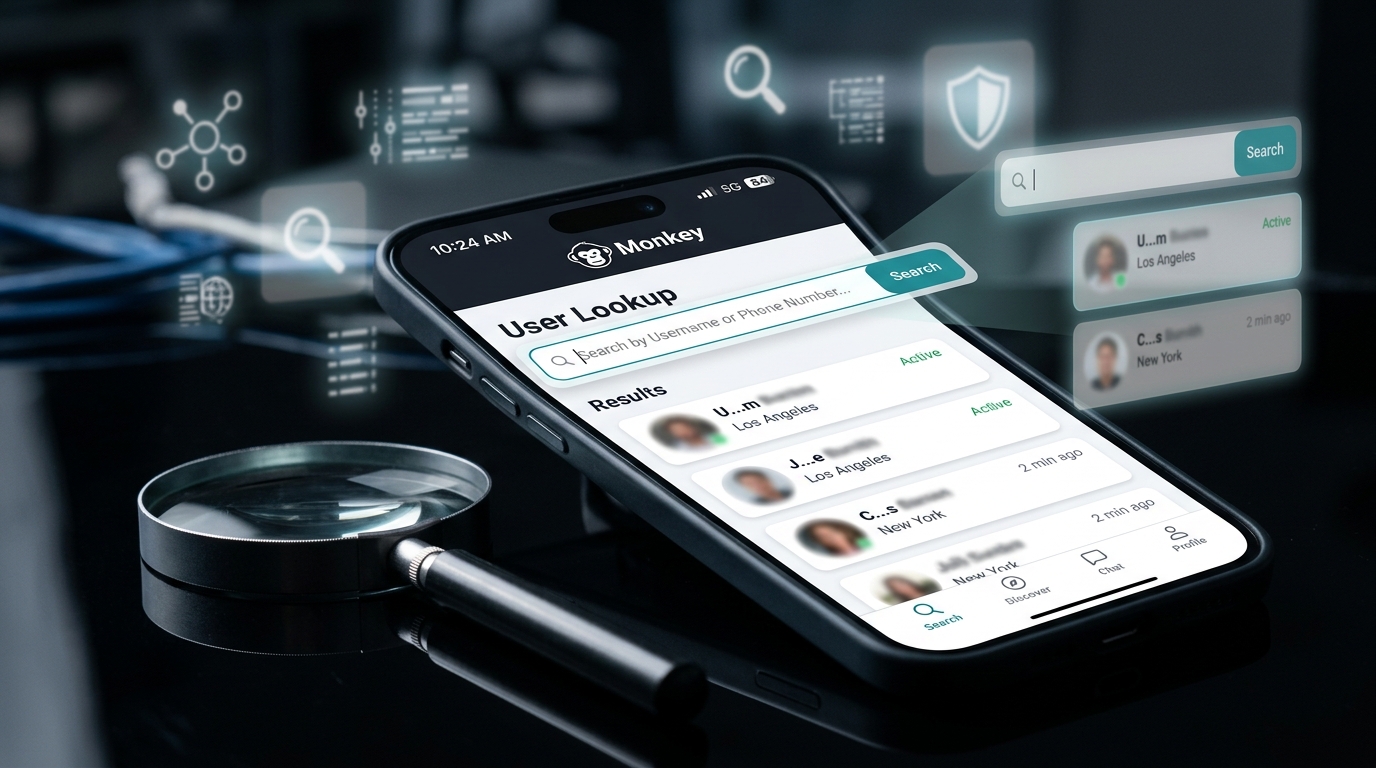
With Social Catfish, you can verify the identity of the sender before responding to any messages. By simply entering their name or email address into the search bar, you can see if the person is who they claim to be. This can help you avoid falling for phishing scams and protect your health information.
In addition, Social Catfish can also help you identify any fake or fraudulent healthcare providers. Scammers may create fake websites or social media profiles, pretending to be a legitimate healthcare provider, in order to obtain personal information from unsuspecting victims. By using Social Catfish, you can verify the legitimacy of these providers and avoid sharing your personal information with them.
You can use the tool below for the name and email address search.
Other Ways to Protect Your Health Information
While Social Catfish is a powerful tool for protecting your health information, there are other steps you can take to further safeguard your personal information:
- Be cautious of sharing your personal information online, especially on social media platforms.
- Regularly review your medical records and insurance statements for any suspicious activity.
- Use strong and unique passwords for all your online accounts.
- Do not click on links or open attachments from unknown senders.
- Keep your devices and software up to date with the latest security patches.
By following these tips and using Social Catfish, you can greatly reduce the risk of falling victim to medical identity theft.
Conclusion
In conclusion, medical identity theft is a serious issue that can have detrimental effects on your health and finances. By using Social Catfish, you can verify the identity of individuals and avoid falling for phishing scams or fraudulent healthcare providers. Remember to also take other precautions to protect your personal information online. Stay vigilant and stay safe!