
 Multiple Faces Detected


 February 22nd, 2026
You receive an email from “Amazon Security” about suspicious account activity. The message includes a phone number for immediate assistance. You call. An automated voice that sounds remarkably human guides you through “verification,” requesting your account password, credit card number, and one-time security codes “to protect your account.”
You comply. Days later, unauthorized charges appear. Your Amazon account is emptied. You call real Amazon support. They never sent that email. You just gave scammers everything they needed.
According to the Federal Trade Commission, imposter scams resulted in $2.95 billion in consumer losses in 2024, with fake customer service operations representing a growing portion as scammers use AI chatbots and voice systems to impersonate legitimate company support. These fake support channels exploit consumers’ trust in customer service, using convincing AI technology to steal login credentials, financial information, and money from victims who believe they’re protecting their accounts.
Social Catfish helps you verify suspicious customer service contacts before fake AI support systems steal your information, drain your accounts, or trick you into sending money to scammers impersonating legitimate companies.
Why Scammers Use AI Customer Service

Technology Advantages for Fraud
AI capabilities scammers exploit:
24/7 operation: AI chatbots and voice systems operate continuously without human staffing costs, allowing scammers to target victims globally across all time zones.
Scale and efficiency: One AI system handles thousands of simultaneous conversations, dramatically increasing scam operation capacity compared to human-operated fraud.
Realistic interaction: Advanced AI generates natural-sounding responses that don’t immediately trigger suspicion like poorly-written phishing emails or obvious robocalls.
Language versatility: AI translates and responds in multiple languages, expanding victim pools beyond scammers’ native languages.
Credential harvesting: Automated systems efficiently collect login credentials, financial information, and personal data from victims who believe they’re verifying identity with legitimate support.
Why Customers Fall for It
Trust exploitation factors:
Brand familiarity: Fake support uses company logos, colors, and language that create false sense of legitimacy and trust.
Problem urgency: Customers seeking help are already stressed about account issues, making them less skeptical and more compliant with requests.
Authority compliance: People instinctively trust customer service representatives, especially when “confirming” security measures or “protecting” accounts.
Technical intimidation: Complex verification processes and technical jargon make victims fear they’ll lose access if they don’t comply immediately.
Common AI Customer Service Scams
Fake Support Phone Numbers
How it works: Scammers create phone numbers that appear in Google search results when people search “[Company Name] customer service.” AI voice systems answer calls, impersonating legitimate support while harvesting information.
The setup: You search “Netflix customer service number,” click a sponsored result or fake website, and call the number listed. An AI voice system that sounds like Netflix automation answers and requests account verification.
Information requested:
- Full name and account email
- Current password “for verification”
- Credit card number “on file”
- One-time security codes sent to your phone
- Social Security number “for identity confirmation”
The outcome: Scammers use collected credentials to access accounts, make purchases, or commit identity theft.
Red flag: Real companies never request passwords, full credit card numbers, or security codes through customer service calls.
Social Media Impersonation
How it works: Scammers create social media accounts impersonating company support (PayPal Support, Amazon Help, Cash App Assist) and respond to customers posting complaints with offers to help via direct message.
The approach: You tweet “My PayPal account is locked, need help!” Within minutes, @PayPalSupport247 (fake account) messages offering assistance through “secure verification link.”
The scam progression:
- Fake support account responds sympathetically to your public complaint
- Requests you continue conversation in direct messages “for privacy”
- Sends link to “verify account” that’s actually phishing site
- Collects login credentials when you enter information
- Uses access to drain account or make unauthorized transfers
Why it works: Urgency and desire for quick resolution make victims less likely to verify account authenticity before clicking links.
Red flag: Real company support never initiates contact through social media DMs or requests account access through external links.
Chatbot Phishing Sites
How it works: Scammers create websites mimicking legitimate company support pages with AI chatbots that appear helpful while collecting sensitive information.
The discovery: You Google “cancel [service] subscription,” click what appears to be official support page, and interact with chatbot that claims to help but actually harvests your data.
Chatbot tactics:
- Asks for account email “to look up your account”
- Requests password “to verify ownership”
- Demands credit card “to process refund”
- Collects personal information “required for cancellation”
- Provides fake confirmation while scammers access real accounts
Website deception: Scam sites use company logos, similar URLs (amazon-support.com vs amazon.com), and professional design that appears legitimate at casual glance.
Red flag: Legitimate company support never requires password entry through chatbots or requests full financial information for basic support requests.
Email Support Scams
How it works: Scammers send emails appearing to be from company support about account problems, suspicious activity, or required verification with an AI chatbot “assistance” embedded in the email or linked sites.
The email: “Your Apple ID has been locked due to suspicious activity. Click here to verify your account through our automated support system.”
AI interaction: Clicking leads to an AI chatbot or voice system that guides you through fake verification requiring a password, security questions, and payment information.
Urgency tactics:
- “Your account will be permanently closed in 24 hours”
- “Unauthorized charges detected verify immediately”
- “Security breach requires urgent password update”
- “Limited time to recover your account”
The reality: Real companies send security alerts through official apps and account dashboards, not urgent emails with external verification links.
Red flag: Legitimate companies never send emails requesting immediate action through external links or phone numbers provided in the message.
Fake Tech Support AI
How it works: Scammers display pop-up warnings about virus infections or system problems with phone numbers for “technical support” staffed by AI voice systems or AI-assisted human scammers.
The warning: “CRITICAL SECURITY ALERT: Your computer is infected with 47 viruses. Call Microsoft Support immediately at [number]” with flashing alerts and sound effects.
AI support call:
- AI voice system answers claiming to be Microsoft, Apple, or antivirus company
- Requests remote access “to diagnose the problem”
- Shows fake scans revealing serious issues
- Demands payment for repair services or software
- Installs actual malware while claiming to remove viruses
Why it works: Fear of losing data or identity theft overrides skepticism about unsolicited warnings.
Red flag: Real tech companies never display pop-up warnings with phone numbers or initiate outbound alerts about system problems.
How to Identify Fake AI Customer Service
Verification Red Flags
Warning signs of scam support:
Unsolicited contact: Real companies don’t call, email, or message customers claiming urgent account problems requiring immediate action through provided links or numbers.
Information requests: Legitimate support never asks for passwords, full credit card numbers, Social Security numbers, or one-time security codes.
Payment demands: Real customer service doesn’t request payment through gift cards, cryptocurrency, wire transfers, or prepaid cards for account restoration or security services.
Urgency and threats: Scam support creates artificial urgency, “Account closes in 24 hours,” “Verify now or lose access”—while real companies provide reasonable timeframes.
External links: Fake support sends links to verification pages while legitimate companies direct you to log in through official apps or websites you access independently.
Suspicious contact methods: Support initiated through social media DMs, pop-up phone numbers, or email links rather than official company channels.
Technical Red Flags
AI system indicators:
Robotic responses: Despite sounding human, AI chatbots often give generic answers that don’t directly address specific questions or repeat similar phrasing patterns.
Can’t handle complexity: AI struggles with nuanced problems, unexpected questions, or requests to escalate to human supervisors; real support handles these easily.
Scripted verification: Fake AI support follows rigid verification scripts requesting information that legitimate companies already have on file.
Perfect availability: Scam chatbots respond instantly at all hours, while real company support may have queue times or business hours.
Generic knowledge: AI can’t access your actual account details, so it makes vague statements about “security concerns” or “suspicious activity” without specifics.
Company Impersonation Signs
Legitimacy verification:
URL discrepancies: Scam sites use similar but incorrect URLs, such as amazonsupport.com instead of amazon.com, paypa1.com with number “1” instead of letter “l.”
Grammar and spelling: Professional companies have polished communications; scam sites often show translation errors or awkward phrasing.
No secure connection: Legitimate customer service pages use HTTPS; fake sites may lack security certificates.
Missing verification: Real company accounts have verification badges on social media; impersonators can’t obtain these official marks.
Contact mismatches: Phone numbers or emails don’t match official company contact information listed on legitimate websites or app stores.
How to Verify Customer Service Is Legitimate
Use Official Channels Only
Safe contact methods:
Company website directly: Type the company URL directly into the browser rather than clicking search results or links. This avoids fake support sites ranked through ads.
Official mobile apps: Use customer service options within legitimate company apps downloaded from official app stores.
Known phone numbers: Call numbers from billing statements, official correspondence, or the company website’s verified contact page.
In-app support: Many services offer support directly within account dashboards accessible after secure login through official apps.
Social media verification: Check for official verification badges on company social accounts and never trust DM responses without verifying account legitimacy.
Verify Contact Information
Before trusting any customer service contact, use Social Catfish’s verification tools:
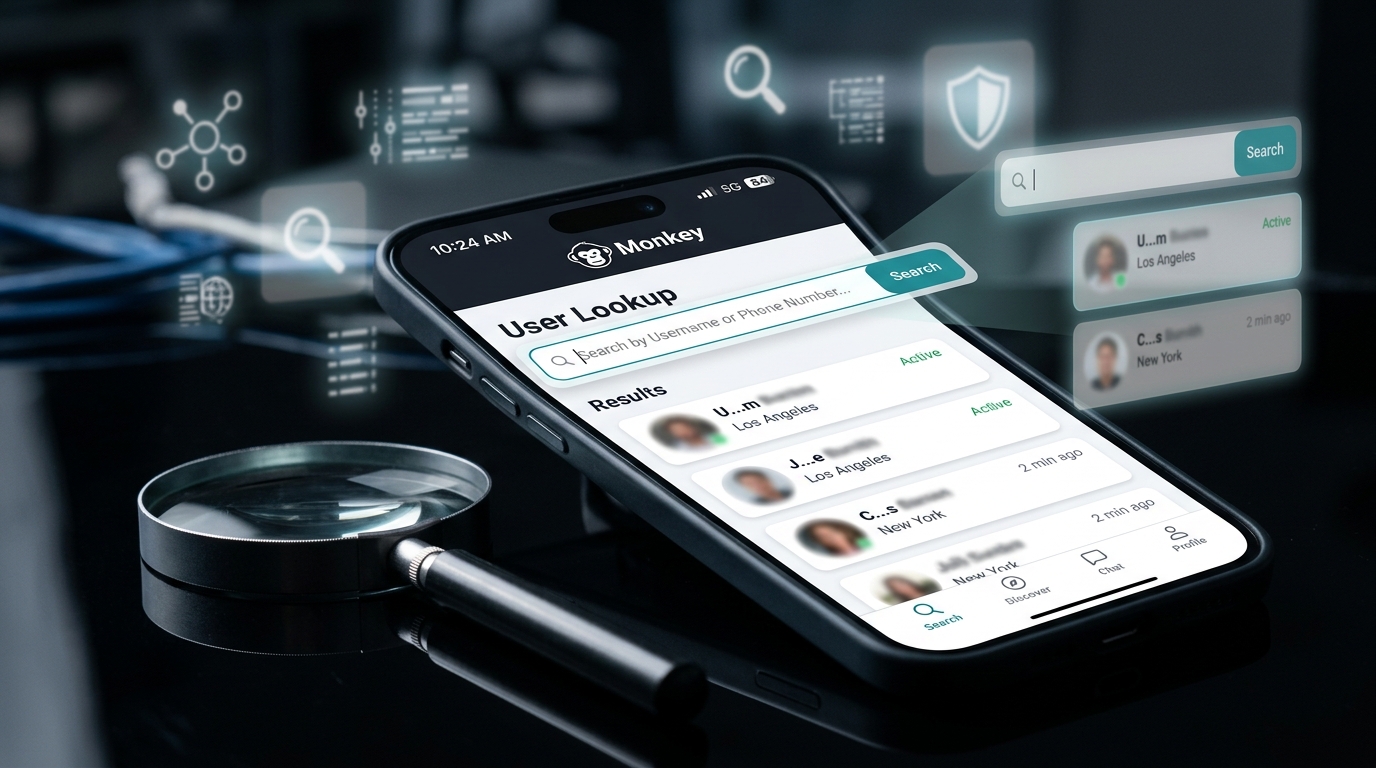
Phone Number Lookup: Verify customer service numbers are legitimate business lines, not VoIP or burner numbers used by scammers. Social Catfish reveals if numbers are connected to reported fraud operations.
Email Verification: Check if email addresses match official company domains or are newly created accounts used in phishing campaigns.
Reverse Image Search: Upload logos or support agent photos from suspicious websites to check if they’re stolen from legitimate companies or appear across multiple scam sites.
Background Check: Verify companies or support services claiming to represent legitimate brands actually exist with proper business registration and credentials.
When to verify: Before calling numbers from emails or search results, clicking support website links, sharing passwords or financial information, or trusting unsolicited customer service contacts.
Ask Verification Questions
Test legitimacy:
Request callback: Legitimate support can call you back at number on file; scammers refuse because they don’t have access to real company systems.
Ask for ticket number: Real support creates case numbers you can reference; fake support can’t integrate with legitimate ticketing systems.
Request email confirmation: Legitimate companies send verification emails from official domains; scammers can’t send from real company email addresses.
Check account directly: Log into your account through official app or website to see if the issues mentioned by “support” actually exist.
Hang up and call back: Use official company number from website to verify if you were actually speaking with legitimate support.
What to Do If You’ve Been Scammed
Immediate Actions
Damage control steps:
Change passwords: Immediately update passwords for accounts you provided credentials for, plus any accounts using the same passwords.
Enable 2FA: Activate two-factor authentication on all accounts to prevent access even if scammers have passwords.
Contact real company: Use official channels to report the scam and secure your actual account.
Monitor accounts: Check for unauthorized charges, changes to account settings, or suspicious activity across all financial accounts.
Alert bank: Contact credit card companies and banks about potential fraud if you shared financial information.
Freeze credit: Place fraud alert or credit freeze with credit bureaus if you shared Social Security number or other identity theft risk information.
Report the Scam
Official reporting:
FBI IC3: File a complaint at ic3.gov with details about the fake support contact and information compromised.
FTC: Report at ReportFraud.ftc.gov to help track imposter scam patterns.
Real company: Report fake support to legitimate company’s fraud department so they can warn other customers and pursue legal action.
Social media platforms: Report fake support accounts impersonating companies so platforms can remove them.
Google/search engines: Report fake support websites appearing in search results to help remove them from rankings.
Dispute Charges
Financial recovery:
Credit card disputes: File disputes for unauthorized charges citing fraud, providing evidence of scam interaction.
Bank chargebacks: Request chargebacks for fraudulent wire transfers or ACH payments made to scammers.
Payment app disputes: Report fraud through PayPal, Venmo, Zelle, or other payment services to attempt recovery.
Gift card refunds: Contact retailers where gift cards were purchased to report fraud (recovery unlikely but should attempt).
Document everything: Save emails, screenshots of fake websites, call logs, and any communication with scammers to support disputes.
How to Protect Yourself
Only use official company channels for customer service
Never call numbers from emails, pop-ups, or search ads. Always access support through official websites, apps, or verified contact information.
Never share passwords or security codes
Legitimate support never requests passwords, one-time codes, or full financial account numbers. These requests always indicate scams.
Verify before clicking links
Hover over links to see actual URLs before clicking. Type company websites directly into the browser rather than clicking email or search links.
Use Social Catfish to verify contacts
Social Catfish helps verify phone numbers, websites, and companies before sharing sensitive information.
Enable account security features
Two-factor authentication, login alerts, and security notifications help protect accounts even if credentials are compromised.
Be skeptical of urgency
Scammers create false urgency. Legitimate companies provide a reasonable time to address account issues without threatening immediate closure.
Frequently Asked Questions
Verify contact information matches official company sources. Never use numbers from emails or pop-ups. Real support never requests passwords or security codes. Use Social Catfish phone lookup to verify numbers before calling. Legitimate companies don’t threaten urgent account closure or request gift card payments.
Yes. Scammers embed fake AI chatbots on phishing websites that appear to provide support while harvesting login credentials, credit card numbers, and personal information. These chatbots look legitimate but send collected data directly to scammers who access your real accounts.
Change passwords immediately on the compromised account and any accounts using the same password. Enable two-factor authentication. Contact the real company through official channels to secure your account. Monitor for unauthorized activity. File reports with the FBI IC3, and FTC.
Scammers pay for Google Ads, placing fake support numbers at the top of search results, create SEO-optimized scam websites that rank organically, and register domain names similar to legitimate companies. Always verify numbers match official company websites before calling.
Chatbots on legitimate company websites accessed directly (not through email links) are generally safe. Verify you’re on the real company website by checking the URL carefully. Legitimate chatbots don’t request passwords or full financial information; they escalate sensitive issues to secure channels.
Conclusion
Fake AI customer service scams cost consumers billions annually by impersonating legitimate company support through convincing chatbots, voice systems, and fraudulent contact channels. Scammers exploit urgency and trust to harvest credentials, steal money, and commit identity theft.
Social Catfish protects you through phone number verification, website validation, and company authentication before you share information with fake support.
Only use official company channels. Never share passwords or security codes. Verify contact information independently. Real support doesn’t threaten urgent closure or request gift card payments.
If customer service creates urgency, requests sensitive information, or contacts you unsolicited, it’s probably a scam.