
 Multiple Faces Detected


 February 14th, 2026
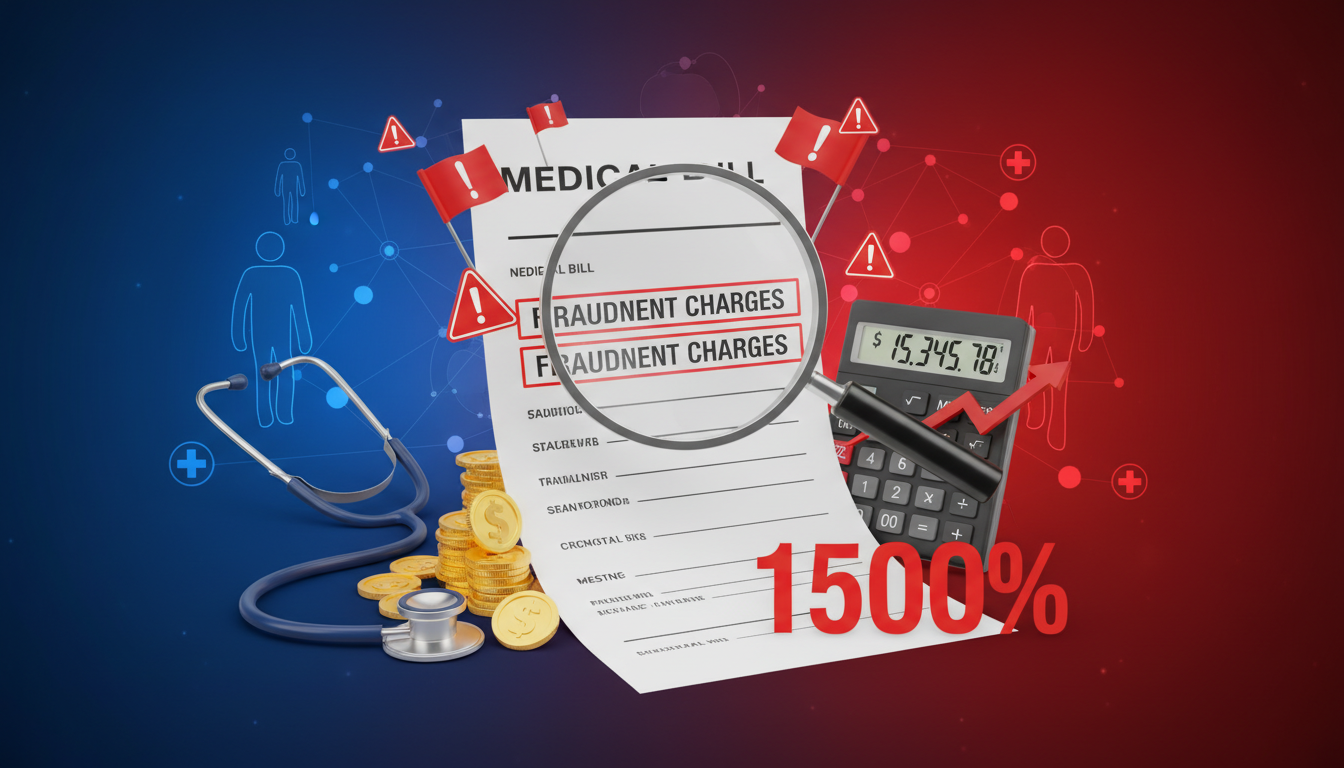
You receive an explanation of benefits showing charges for medical procedures you never received. Your insurance company contacts you about appointments you never attended. Bills arrive for services at facilities you’ve never visited. You’re a victim of health care fraud, a crime that costs Americans billions annually and can devastate your finances, insurance coverage, and medical records.
According to the National Health Care Anti-Fraud Association, health care fraud costs the United States an estimated $68 billion annually, with fraudulent billing, phantom services, upcoding, and identity theft driving these losses. Victims face inflated premiums, denied coverage, incorrect medical records that affect future care, and potential legal issues from fraud committed in their name.
Health care fraud involves deliberately deceiving health insurance companies or government programs to receive unauthorized payments. This includes billing for services never provided, misrepresenting procedures to increase payments, using stolen identities to submit fraudulent claims, and performing unnecessary medical procedures solely for profit.
Social Catfish helps verify suspicious medical providers and facilities through comprehensive background checks and verification tools that expose fraudulent operations before they compromise your health care and finances.
In this guide, we’ll explain common types of health care fraud, red flags in medical bills and insurance claims, how to verify charges, and steps to take if you suspect fraud.
Types of Health Care Fraud

Phantom Billing (Billing for Services Never Provided)
How It Works: Providers bill insurance for appointments, procedures, tests, or treatments you never received.
Common Examples: Charges for office visits you didn’t attend, lab tests never performed, prescriptions never filled, medical equipment never provided, physical therapy sessions that didn’t occur.
Why It’s Dangerous: Creates false medical records, wastes insurance benefits, increases premiums, and may affect future coverage.
Upcoding (Billing for More Expensive Services)
How It Works: Providers bill for more complex or expensive procedures than actually performed.
Common Examples: Simple office visit billed as comprehensive examination, basic procedure coded as complex surgery, generic medication billed as brand-name, standard test billed as specialized diagnostic procedure.
Why It’s Dangerous: Depletes insurance benefits faster, increases out-of-pocket costs, creates inaccurate medical history.
Unbundling (Separating Procedures to Increase Charges)
How It Works: Providers bill separately for procedures normally covered under single comprehensive charge.
Common Examples: Blood tests that should be billed together charged individually, surgical procedures separated into multiple line items, related diagnostic tests unbundled.
Medical Identity Theft
How It Works: Criminals use your insurance information to receive medical services, prescription drugs, or submit fraudulent claims.
Common Examples: Someone uses your insurance card for their medical care, stolen Medicare number used for fraudulent billing, fabricated medical records under your identity.
Why It’s Dangerous: Creates false medical records affecting future treatment, depletes insurance benefits, causes coverage denial, potential legal liability.
Unnecessary Procedures
How It Works: Providers perform medically unnecessary tests, procedures, or treatments solely to generate billing.
Common Examples: Excessive diagnostic tests, unnecessary surgeries, overuse of expensive imaging, prescribing unneeded medications.
Why It’s Dangerous: Exposes you to medical risks, depletes coverage, increases costs, creates misleading medical history.
Red Flags in Medical Bills
Services You Never Received
Warning Signs: Charges for appointments you didn’t attend, procedures you don’t remember, tests the provider never discussed, medical equipment you didn’t receive.
What to Do: Compare bills with your calendar and memory of appointments. Contact the provider immediately about charges you don’t recognize.
Duplicate Charges
Warning Signs: Same procedure billed multiple times, identical charges on different dates, repeated billing for single-use items.
What to Do: Review bills carefully for repeated line items. Request itemized billing statements showing each charge separately.
Incorrect Dates or Providers
Warning Signs: Dates when you weren’t even in town, providers you’ve never seen, facilities you’ve never visited, services billed after you changed providers.
What to Do: Verify all dates and provider names. Cross-reference with your appointment records and insurance company records.
Unusual Charges or Codes
Warning Signs: Medical codes that don’t match your condition, charges dramatically higher than expected, services unrelated to your treatment.
What to Do: Request explanation of all medical codes. Research codes online or ask your insurance company to clarify.
Balance Billing Issues
Warning Signs: Billed for services that should be fully covered, charges exceeding your deductible unexpectedly, out-of-network charges when you used in-network providers.
What to Do: Compare bills with your insurance explanation of benefits. Verify provider network status and coverage details.
Red Flags in Explanation of Benefits (EOB)
Services Don’t Match Your Memory
Your EOB shows procedures, appointments, or treatments you don’t remember receiving. Compare EOB dates with your calendar and appointment records.
Provider Names You Don’t Recognize
EOB lists doctors, facilities, or providers you’ve never visited. Verify all provider names and facility locations.
Excessive Services
Unusually high number of visits, tests, or procedures in short timeframe. Question frequency that seems unreasonable for your condition.
Services Before or After Treatment
Charges dated before your first appointment or after final visit. Verify all service dates align with actual treatment timeline.
Denied Claims for Services Received
Insurance denies claims for services you actually received, possibly because fraudulent claims depleted your benefits.
How to Verify Medical Charges
Review All Documentation Carefully
Compare medical bills with explanation of benefits, check dates against your calendar, verify provider names and facility locations, review itemized statements for each charge.
Request Itemized Bills
Contact providers to request detailed itemized bills showing every charge separately, medical codes for all procedures, and explanation of each line item.
Verify Medical Codes
Look up procedure codes (CPT codes) online, confirm codes match services you received, question codes that seem unrelated, ask providers to explain unfamiliar codes.
Check Provider Credentials
Use Social Catfish background checks to verify medical providers and facilities, confirm licensing and credentials, check for disciplinary actions or fraud history, verify facility legitimacy.
Compare With Insurance Records
Request complete claims history from insurance company, verify EOB matches provider bills, confirm all listed services were actually received, identify discrepancies.
Track Your Medical Visits
Keep calendar of all appointments, save appointment reminder cards, maintain personal health records, note services received at each visit.
Steps to Take If You Suspect Fraud
Contact the Provider First
Call the billing department immediately, explain discrepancies you’ve identified, request detailed explanation of questioned charges, ask for itemized billing.
Contact Your Insurance Company
Report suspected fraud to insurance company’s fraud department, provide documentation of discrepancies, request investigation of questionable claims.
Document Everything
Save all medical bills and statements, keep copies of explanation of benefits, document all phone calls with dates and names, maintain timeline of services.
File Formal Complaints
For Private Insurance Fraud: Report to your state insurance commissioner and insurance company’s Special Investigations Unit.
Medicare/Medicaid Fraud: Call Medicare at 1-800-MEDICARE (1-800-633-4227), report to Office of Inspector General at 1-800-HHS-TIPS.
All Health Care Fraud: Report to the FBI at tips.fbi.gov, file a complaint with the FTC at ReportFraud.ftc.gov.
Protect Your Medical Identity
Review credit reports for medical collections you don’t recognize, check medical information bureau reports, request copies of your medical records to verify accuracy.
How to Protect Yourself From Health Care Fraud
Guard Your Insurance Information
Treat insurance cards like credit cards, never share insurance numbers on social media, don’t give insurance information to unsolicited callers, and verify legitimacy before providing coverage details.
Review All Medical Documents
Read every EOB when it arrives, compare EOBs with provider bills, question charges you don’t understand, verify dates and providers, don’t ignore medical bills.
Verify Providers and Facilities
Use Social Catfish to research medical providers before treatment, verify licensing and credentials, check facility accreditation, read reviews and check for fraud complaints.
Ask Questions About Treatment
Request explanation of all recommended procedures, ask why tests or treatments are necessary, get second opinions for major procedures, question excessive testing.
Keep Organized Records
Maintain copies of all medical bills, save every explanation of benefits, track appointments and services received, note providers seen and treatments received.
Be Cautious of “Free” Offers
Question free medical screenings or services, verify legitimacy of health fairs or mobile clinics, be wary of unsolicited offers for free equipment, research organizations offering free services.
Frequently Asked Questions
Compare bills with your memory and calendar of appointments, verify all providers and service dates, request itemized statements, check medical codes match services received, and use Social Catfish to verify provider legitimacy.
Contact the provider immediately to dispute charges, notify your insurance company’s fraud department, document all discrepancies, and file formal complaints with appropriate authorities.
Yes. Fraudulent billing creates false medical history that could affect future treatment, insurance coverage, and medical decisions. Request copies of your medical records and have errors corrected.
Use Social Catfish background checks to verify credentials, check state medical board licensing, verify facility accreditation, read reviews and check for complaints.
You may face depleted benefits, coverage denials, incorrect medical records, increased premiums, and potential legal issues. Report medical identity theft immediately and request an investigation.
Conclusion
Health care fraud costs billions annually and affects millions of Americans through inflated premiums, depleted coverage, incorrect medical records, and financial harm. Identifying fraud in your medical bills and insurance claims requires vigilance, careful review of all documentation, and immediate action when discrepancies appear.
Social Catfish provides verification tools to research medical providers, check facility legitimacy, and verify credentials before receiving treatment. Combined with careful review of bills and EOBs, organized record-keeping, and prompt reporting of suspicious charges, you can protect yourself from health care fraud.
Review every medical bill and EOB carefully, verify all charges match services received, research providers through Social Catfish, and report suspected fraud immediately.