Multiple Faces Detected


 September 4th, 2024
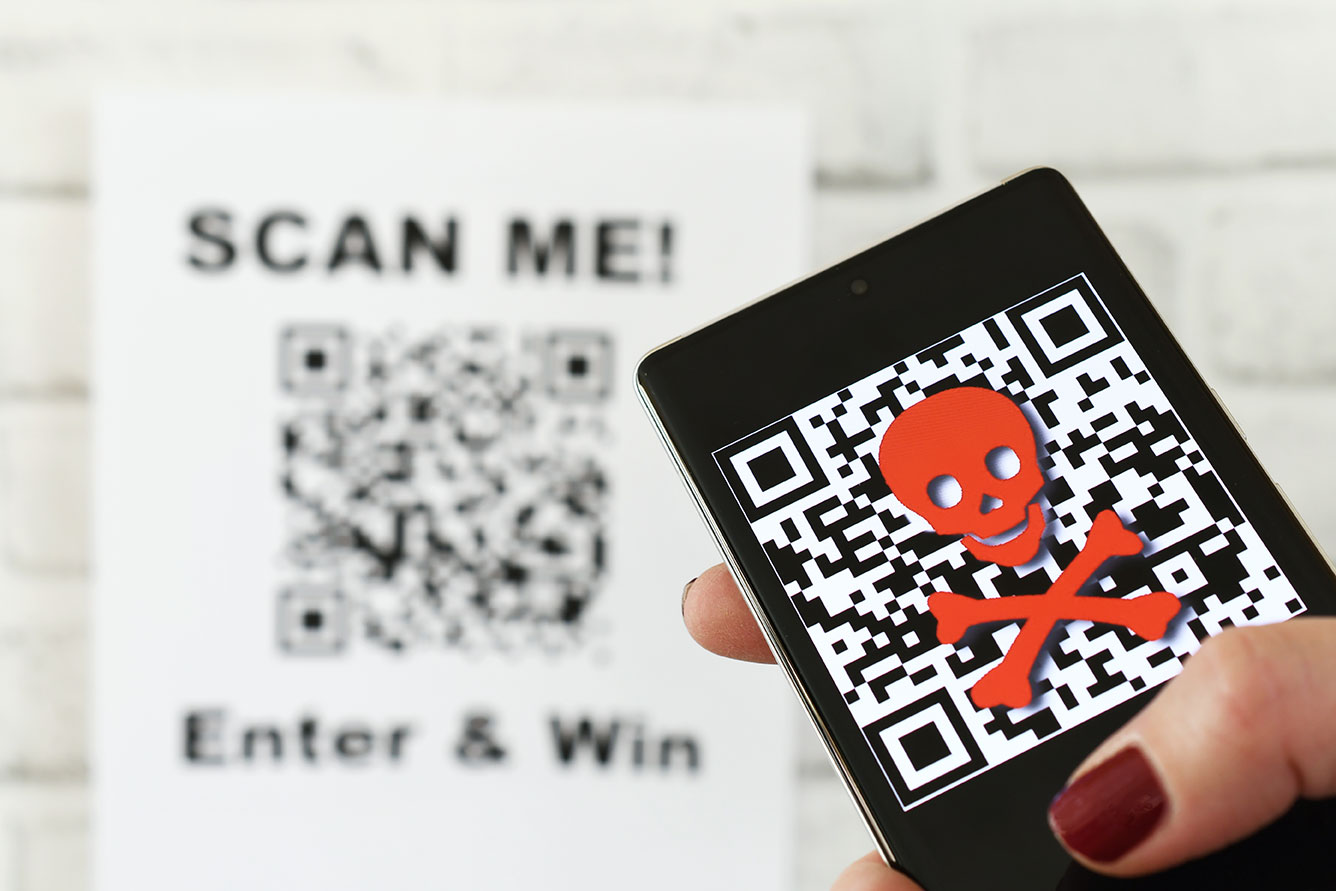
As QR codes become increasingly popular for contactless payments and services, scammers have found a new way to exploit this technology. In several cities, including San Clemente and Redondo Beach, criminals have been placing fake QR codes over legitimate parking meters, leading unsuspecting users to fraudulent websites designed to steal personal and payment information. One misstep, like inputting credit card details, can result in unauthorized charges and potential identity theft. With scams like these on the rise, it’s essential to be cautious and know how to protect yourself.
Vance Ingmanson encountered a parking scam in San Clemente, California, after scanning a QR code posted for parking payment. Despite entering a URL, he found that the top search results were fake, resembling legitimate parking services like “Passport Parking.” After submitting his credit card information, his wife’s card company flagged unauthorized charges shortly afterward.
A similar scam occurred in Redondo Beach, where around 150 parking meters were found with fake QR codes directing users to a fraudulent site called “poybyphone,” designed to collect sensitive information. Officials warn that scammers often place fake QR codes over real ones to mislead users and potentially install malware or steal personal data. The FTC advises being cautious with QR codes, checking for misspelled URLs, and verifying legitimacy to avoid falling victim to these scams.
How Social Catfish Can Help
Social Catfish specializes in identifying online scams and verifying the authenticity of websites, emails, and identities. In situations like QR code fraud, Social Catfish can help by performing thorough reverse searches on suspicious URLs and providing tools to verify the legitimacy of websites before you submit any personal or payment information. By using their services, you can protect yourself from falling victim to fraudulent QR codes and other online scams. Contact our search specialist by clicking here.