
 Multiple Faces Detected


 June 7th, 2023
In an era dominated by social media, the online landscape is not only a breeding ground for connection and information-sharing but also a hotbed for malicious activities. Recently, a disturbing revelation has come to light, exposing how scammers are leveraging Twitter’s Blue tick service to perpetrate financial fraud. This troubling trend highlights the inherent risks of granting the coveted blue checkmark to anyone willing to pay for it. As unsuspecting Twitter users tag their banks in complaint posts, scamsters posing as customer service representatives seize the opportunity to dupe them. By quoting the original tweets and providing fraudulent helpline numbers, these impostors manage to trick users into divulging sensitive information, such as their bank login credentials, enabling unauthorized access to their accounts. With the introduction of Twitter Blue and its unintended consequence of facilitating deception, urgent measures are needed to safeguard users and restore trust in the platform. In this blog post, we delve into the intricacies of this alarming scam, explore its repercussions, and discuss the collective efforts required to combat such fraudulent activities.
The Twitter Blue Tick Scam: Exploiting Users and Impersonating Banks
The recent revelation of a financial scam involving Twitter’s Blue tick service has shed light on the risks associated with granting the coveted blue checkmark to users who simply pay for it. According to a New York Post report, scamsters have been specifically targeting Twitter users by impersonating banks or banking officials. The scam begins when a user posts a complaint about their bank account and tags the bank’s official Twitter handle, such as @ICICI or @Wellsfargo. Exploiting this opportunity, scammers pose as customer service representatives and engage with the users, often quoting their original tweet and providing a fraudulent helpline number. Unsuspecting customers who call the number end up divulging sensitive information, including their login credentials, which allows scammers to gain unauthorized access to their bank accounts.
The Role of Twitter Blue in Facilitating Deceptive Scams
The launch of Elon Musk’s Twitter Blue subscription service has inadvertently provided scammers with a new tool to deceive unsuspecting users. By purchasing the Twitter Blue subscription and obtaining the blue checkmark, scammers can create an illusion of legitimacy and trick customers into believing that their Twitter account represents a legitimate and official handle of a company. With Musk’s announcement about the removal of legacy checkmarks, companies now face a pressing need to quickly apply for Twitter Blue verification to prevent their customers from falling prey to such elaborate scams once again. Without the protection of the blue checkmark, users may find it increasingly difficult to differentiate between genuine accounts and fake ones.
Consequences and Financial Losses Caused by Fake Verified Accounts
The exploitation of Twitter’s verification system is not a new phenomenon. In the past, various instances of fraudulent activities have been reported, leading to significant financial losses for companies and individuals alike. For example, an impersonator masquerading as basketball player LeBron James once demanded a trade from the NBA franchise Los Angeles Lakers. Moreover, American pharmaceutical giant Eli Lilly experienced a staggering loss of billions of dollars in market capitalization when a verified fake account tweeted false information about the company giving away insulin for free. Despite subsequent clarifications by the genuine accounts, the damage had already been done. These incidents highlight the far-reaching consequences of scams perpetrated through fake verified accounts, demonstrating the urgent need for stronger safeguards.
The Need for Swift Adoption of Twitter Blue by Companies
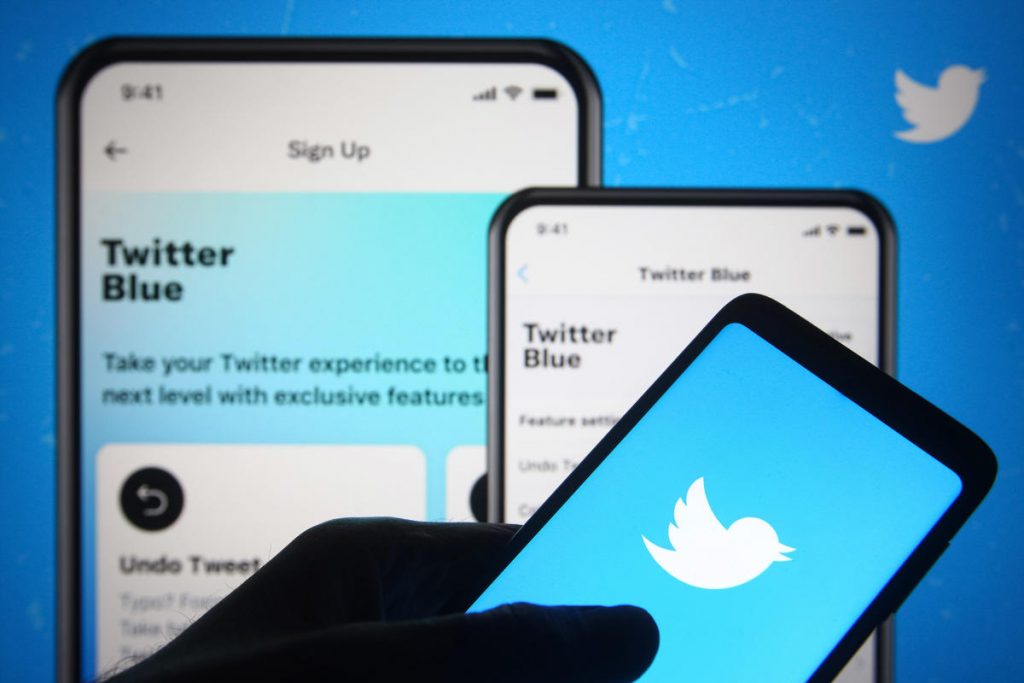
Elon Musk’s acquisition of Twitter for $44 billion prompted the introduction of the $8 verification system known as Twitter Blue. While the introduction of this service has received mixed responses, recent scams exploiting the absence of the blue checkmark have made it evident that companies must swiftly adopt Twitter Blue to protect their customers and brand reputation. By verifying their official accounts through Twitter Blue, companies can establish credibility and enhance trust among their followers. Failure to do so not only exposes customers to potential scams but also puts companies at risk of reputational damage and financial losses. Given the increasing sophistication of scammers and the ease of impersonation on social media platforms, prompt adoption of Twitter Blue becomes imperative for safeguarding both customers and businesses.
Twitter Blue: Strengthening User Security and Building Trust
With the rise of scams and impersonations on Twitter, the introduction of Twitter Blue offers an opportunity to enhance user security and build trust. By implementing Twitter Blue, users can have a higher level of confidence in distinguishing between genuine and fraudulent accounts. The blue checkmark becomes a symbol of authenticity, allowing users to engage with verified accounts without fear of falling victim to scams. This shift towards stronger security measures is crucial for maintaining a safe and trustworthy online environment.
Educating Users: Recognizing the Red Flags of Scam Accounts
While Twitter and companies take steps to combat scams, it is equally important for users to be educated and vigilant about identifying potential red flags. Some key indicators of scam accounts include misspelled or slightly altered usernames, suspicious URLs, poor grammar and language usage in tweets, and unusual requests for personal or financial information. By staying informed and exercising caution, users can play an active role in protecting themselves and their online identities from scammers.
Collaborative Efforts: Twitter, Companies, and Users Uniting Against Scams
Fighting against scams requires a collaborative effort between Twitter, companies, and users. Twitter should continue to enhance its verification process, ensuring that only legitimate and trustworthy accounts receive the blue checkmark. Companies must actively seek verification through Twitter Blue to protect their customers and establish a secure online presence. At the same time, users should report suspicious accounts and share their experiences to raise awareness and help others avoid falling victim to scams. By working together, we can create a safer Twitter community and minimize the impact of fraudulent activities.