
 Multiple Faces Detected


 February 20th, 2026
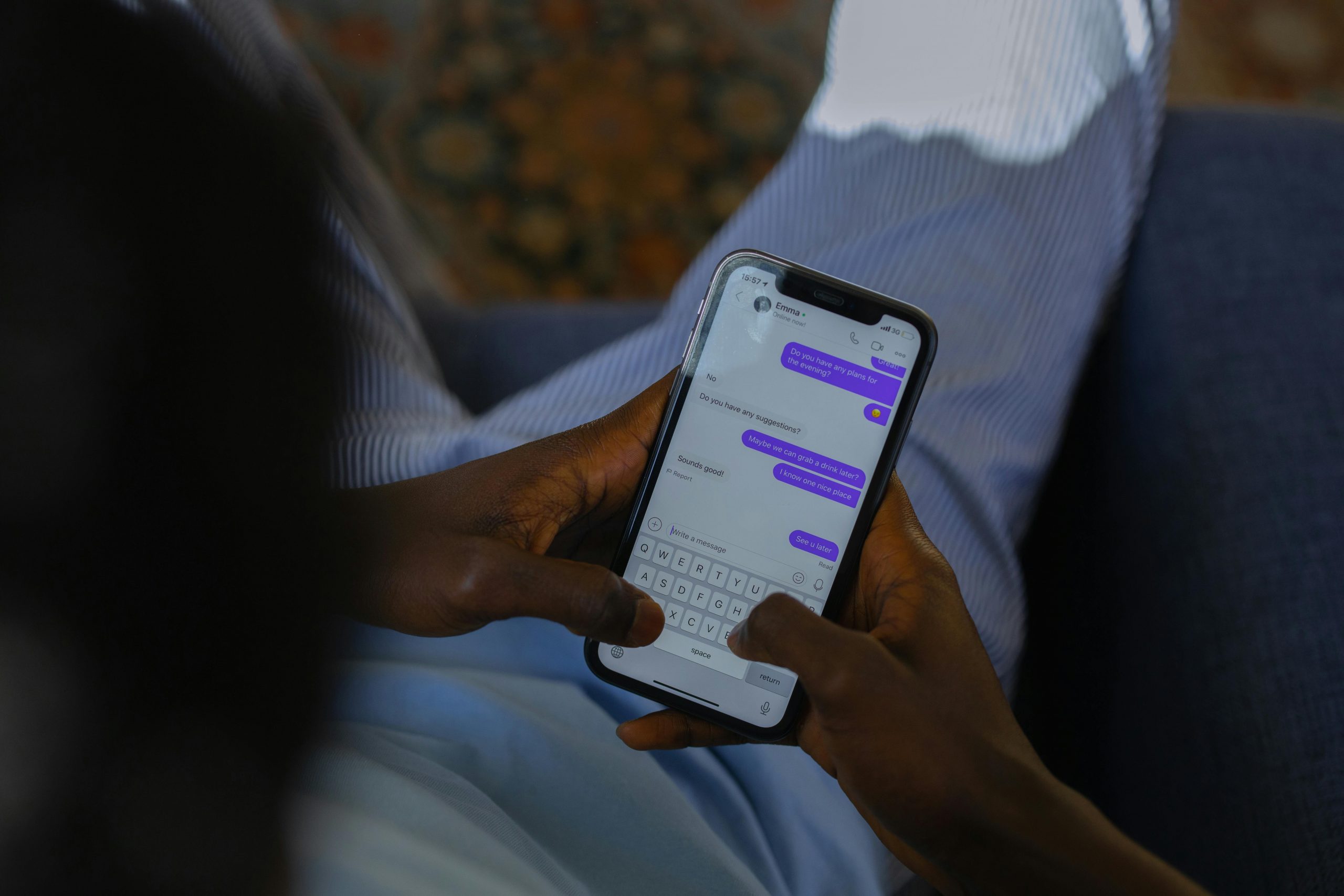
He seemed perfect. Your Grindr match was attractive, articulate, and genuinely interested in getting to know you. After two weeks of daily conversations, he mentioned a family emergency. He needed $800 for a flight home. You sent it. He asked for more. You sent it again.
Then he disappeared.
According to the Federal Trade Commission, romance scam losses reached $1.14 billion in 2024, with LGBTQ+ dating platforms like Grindr increasingly targeted as scammers exploit community members’ unique vulnerabilities around privacy, discretion, and the challenges of finding genuine connection.
Social Catfish helps you verify suspicious Grindr profiles before romance scammers steal your money, exploit your emotions, or blackmail you with intimate content shared during fake relationships.
Why Scammers Target Grindr Users
Platform Vulnerabilities Scammers Exploit
Privacy concerns create silence: LGBTQ+ individuals often prioritize discretion, making them less likely to report scams that might expose their sexuality to family, employers, or communities where they’re not out.
Emotional vulnerability: Users seeking connection, validation, or community, especially in areas with limited LGBTQ+ populations, may lower their guard when someone shows genuine interest.
Isolation factors: Many Grindr users can’t openly discuss online dating experiences with friends or family, leaving them without support systems to provide perspective when scams unfold.
Geographic targeting: Scammers exploit users in conservative areas or countries where being LGBTQ+ carries social or legal risks, knowing victims won’t seek help from authorities.
Shame exploitation: The combination of romance fraud and LGBTQ+ identity creates layered shame that prevents victims from reporting embarrassment about being scammed, plus fear of exposing sexuality.
Financial Opportunity
Grindr users often have disposable income, demonstrated through premium subscriptions and willingness to pay for dating services. Scammers specifically target platforms where users signal financial capability.
How Grindr Romance Scams Work
Phase 1: The Perfect Match
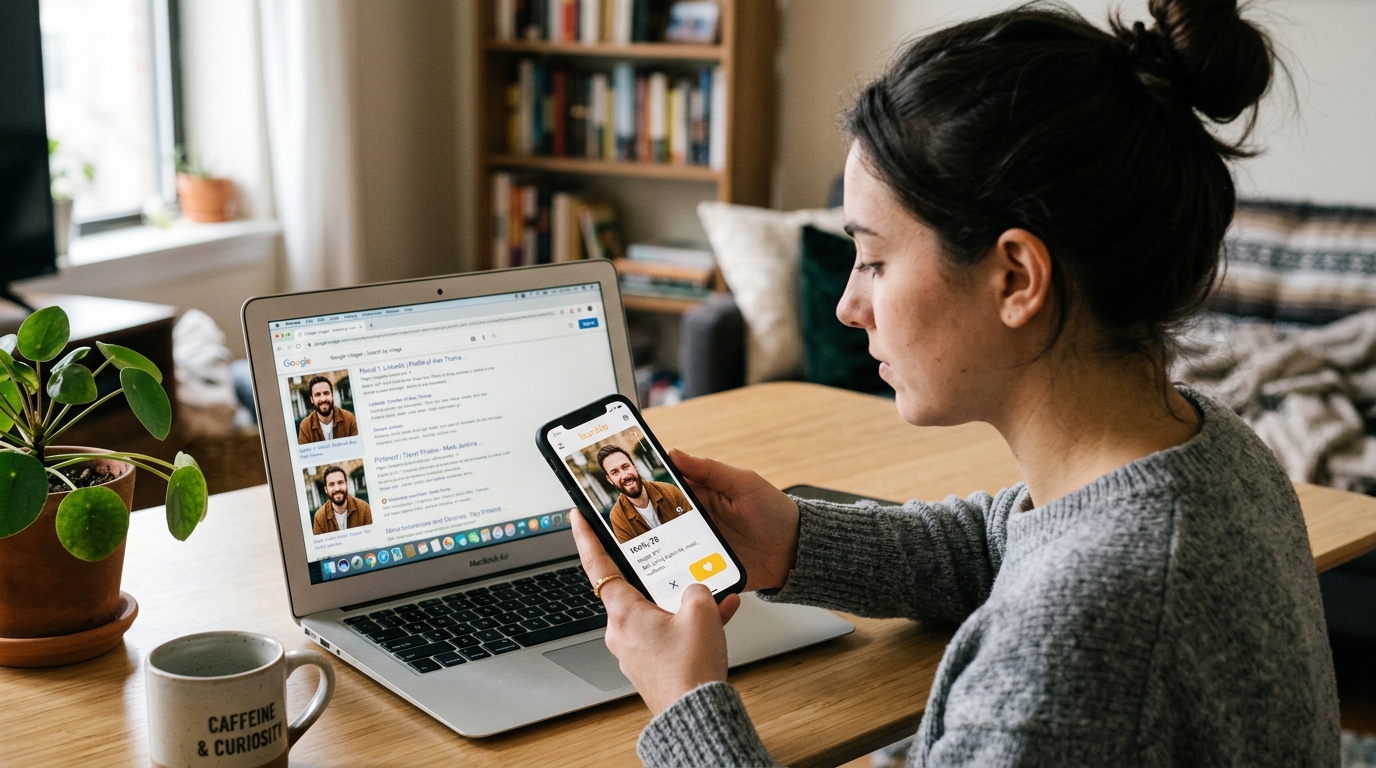
Profile creation: Scammers create attractive profiles using stolen photos from Instagram models, OnlyFans creators, or fitness influencers. Use Social Catfish reverse image search to verify photos don’t appear across multiple platforms or profiles.
Targeted approach: Unlike bots that mass-message everyone, romance scammers carefully select victims based on profile details suggesting vulnerability, mentions of loneliness, recent relocation, or seeking serious relationships.
Personalized engagement: Initial messages reference specific details from your profile, creating false sense of genuine interest and compatibility.
Shared identity: Scammers emphasize LGBTQ+ experiences, struggles with coming out, or challenges finding acceptance, building a connection through shared identity that victims trust instinctively.
Phase 2: Building Emotional Investment
Consistent communication: Daily good morning texts, check-ins throughout the day, and bedtime messages establish routine that mimics serious relationship patterns.
Vulnerability sharing: Scammers reveal fabricated personal struggles, difficult childhoods, family rejection, or past relationship trauma, creating emotional intimacy and a sense of being trusted with sensitive information.
Future planning: Discussions about meeting in person, starting relationships, traveling together, or building futures create investment that keeps victims engaged and hopeful.
Love bombing: Rapid declarations of affection, constant compliments, and intense emotional attention overwhelm rational skepticism and create powerful emotional bonds quickly.
Photo exchange: Gradual sharing of increasingly personal photos (not necessarily explicit) creates false sense of mutual vulnerability and relationship progression.
Phase 3: Off-Platform Migration
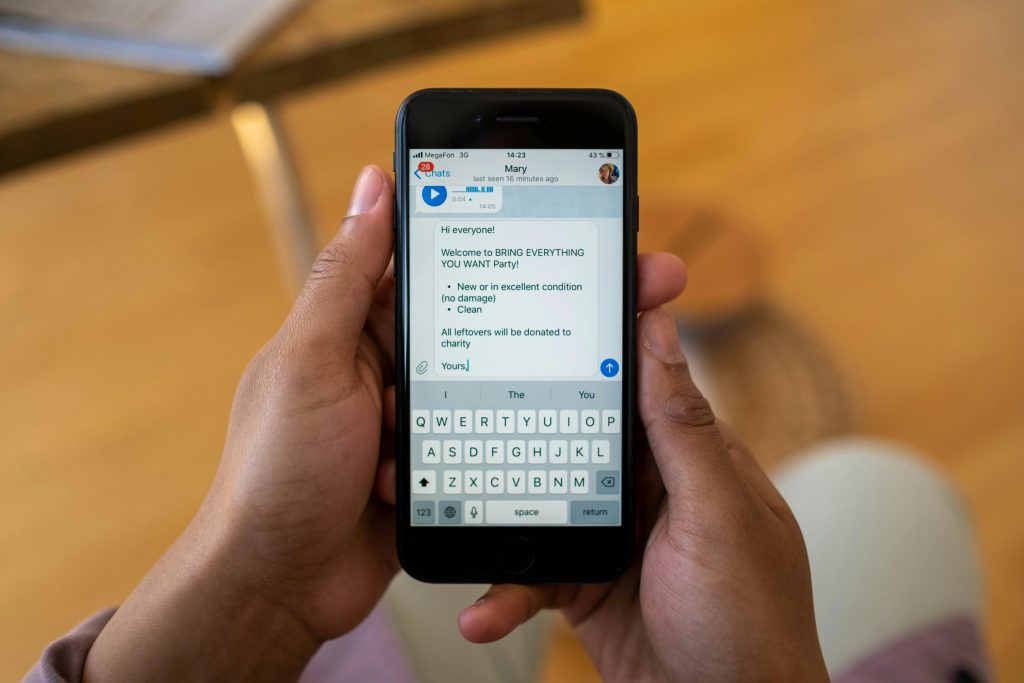
Privacy excuse: “Grindr notifications are too much” or “I prefer more private messaging” as reasons to move conversations to WhatsApp, Telegram, or text messaging.
App limitations: Claims that Grindr crashes, deletes messages, or doesn’t work reliably, necessitating alternative communication methods.
Relationship escalation: Framing platform switch as relationship milestone “I want this to feel more real” or “Let’s talk like boyfriends, not Grindr matches.”
Why this matters: Moving off Grindr removes scammer activity from platform monitoring, allows more aggressive tactics without risk of account removal, and collects phone numbers for additional targeting.
Phase 4: Financial Extraction
The emergency: After establishing emotional connection (typically 2-6 weeks), scammers fabricate crises requiring immediate financial assistance.
Common scenarios:
Medical emergencies: “My mom had a stroke and I need to fly home but can’t afford the ticket”
Travel expenses: “I want to visit you but my paycheck was delayed”
Legal problems: “I was wrongly arrested and need bail money”
Technology issues: “My phone was stolen and I need a replacement to keep talking to you”
Investment opportunities: “I found a cryptocurrency opportunity that could help us both”
Escalation pattern: Initial requests are modest ($100-300) to establish payment willingness before larger demands ($2,000-10,000) that exploit sunk cost fallacy.
Emotional manipulation: “I can’t believe you don’t trust me after everything we’ve shared” or “If you really cared about me, you’d help” when victims hesitate.
Promise of repayment: “I’ll pay you back as soon as my paycheck comes,” or “When we meet, I’ll make this up to you,” promises never fulfilled.
Red Flags of Grindr Romance Scams
Profile Warning Signs
Model-quality photos: Professional images that seem too polished for casual dating app photos. Social Catfish reveals if photos are stolen from influencers or modeling agencies.
Vague location: Profile shows nearby but they’re “traveling for work” or “visiting family” in another city/country, explaining why they can’t meet immediately.
Recent account creation: Profile is new despite claiming to be established in local area and active in dating scene.
Limited social media: No Instagram connection or social media presence despite being supposedly active online person—suggests account created solely for scamming.
Too-perfect compatibility: Shares your exact interests, values, and relationship goals in uncanny detail suggesting profile tailored to manipulate you specifically.
Conversation Red Flags
Rapid emotional escalation: Expressing deep feelings, using terms like “boyfriend” or discussing love within days rather than natural relationship timeline.
Avoiding specifics: Vague answers about job, location landmarks, or daily activities that real local person would know easily.
Scripted responses: Messages feel generic or don’t directly address specific questions, suggesting copy-paste responses used across multiple victims.
No video calls: Endless excuses why they can’t video chat—broken camera, data limits, shyness—despite claiming strong emotional connection.
Time inconsistencies: Messages at odd hours claiming to be local, or response patterns suggesting different timezone than claimed location.
Perfect English or consistent errors: Either AI-generated perfect grammar or consistent translation-software patterns indicating non-native speaker.
Behavioral Red Flags
Moving platforms immediately: Pressure to switch to WhatsApp, Telegram, or text within first few conversations before establishing genuine trust.
Photos but no video: Willing to send photos but always has excuse for not video chatting in real-time.
Can’t meet in person: Despite claiming to be local or visiting soon, repeatedly cancels or postpones meetups with increasingly elaborate excuses.
Financial discussions: Any mention of money problems, investment opportunities, or requests for financial help regardless of how subtle.
Isolation tactics: Discouraging you from discussing relationship with friends or family, or creating urgency that prevents seeking outside perspective.
Guilt and pressure: Making you feel guilty for questioning their story, doubting their feelings, or hesitating to help financially.
How to Verify Grindr Profiles
Use Social Catfish Verification Tools
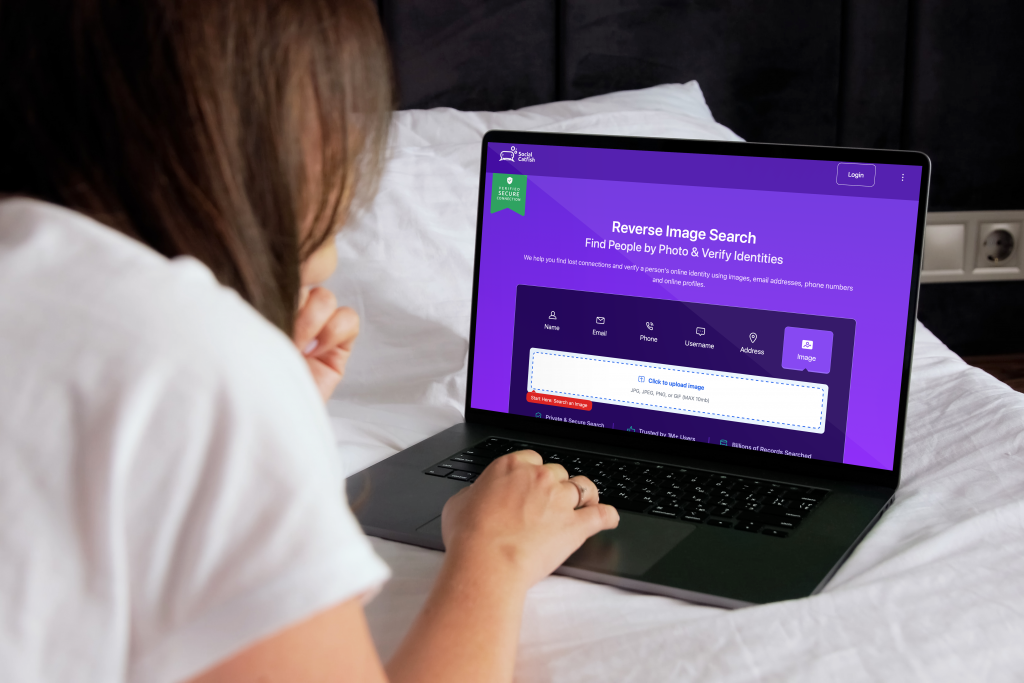
Reverse Image Search: Upload profile photos to check if images appear on Instagram influencers, modeling sites, or across multiple dating profiles with different names, indicating stolen photos.
Phone Number Lookup: When moving off-platform, verify their phone number matches the claimed location and isn’t a VoIP or international number, suggesting an overseas scammer.
Email Verification: Check email addresses for newly created accounts or connections to known scam operations rather than legitimate personal email histories.
Background Check: Verify person exists with claimed identity, age, and location before developing emotional investment or sending money.
Request Video Verification
Spontaneous video call: Real people comply easily with requests for quick video chat showing they’re the person in photos and capable of real-time conversation.
Specific actions: Ask them to hold up specific number of fingers, mention today’s date, or show something only someone in claimed location would have access to.
Scammer responses: Endless excuses, broken camera, shy on video, bad connection, or avoiding the request entirely while continuing to send photos and text.
Check Social Media Presence
Connected accounts: Real Grindr users typically have Instagram, Facebook, or other social media showing authentic life history spanning months or years.
Profile verification: Check if social media shows person in claimed location with friends, family, and activities consistent with their Grindr story.
Account age: Recently created social media accounts matching Grindr profile suggest entire online presence fabricated for scamming.
Mutual connections: Real local users often have mutual friends or connections in LGBTQ+ community that can verify their identity.
What to Do If You’re Being Scammed
Stop All Payments Immediately
No more money: Regardless of emergencies or promises, stop sending funds. Romance scammers never stop requesting money once you start paying.
Don’t try to recover: Ignore offers to help recover lost money for upfront fees—this is a second scam targeting previous victims.
Cut Contact Completely
Block everywhere: Block on Grindr, WhatsApp, phone, email, and all platforms to prevent continued manipulation.
Don’t explain: Scammers will use any continued contact to manipulate you further. Complete silence is most effective.
Report and Document
Report to Grindr: Use in-app reporting to flag the profile for removal and protect other potential victims.
FBI IC3: File a complaint at ic3.gov with all evidence messages, payment records, and profile information.
FTC: Report at ReportFraud.ftc.gov to help track romance scam patterns and trends.
Bank/Payment Provider: Contact financial institutions to report fraud and attempt recovery (unlikely for wire transfers or cryptocurrency).
Save everything: Screenshot conversations, payment confirmations, and profile details before scammer deletes accounts.
Seek Support
LGBTQ+ organizations: Many offer resources for community members experiencing fraud without judgment about sexuality or privacy concerns.
Trusted friends: Breaking isolation reduces shame and provides a perspective that fear and embarrassment obscure.
Therapy: Romance scam victims often experience trauma similar to relationship abuse. Professional support helps process the experience.
How to Protect Yourself
Never send money to people you haven’t met in person
This is the single most important protection. No legitimate romantic interest asks for money before meeting face-to-face.
Verify profiles through Social Catfish before developing emotional investment
Use Social Catfish early before feelings develop and cloud judgment.
Video chat before meeting or sharing personal information
Real-time video verification prevents most scams by proving the person matches their photos and can engage spontaneously.
Keep conversations on Grindr initially
Legitimate connections don’t need to rush off-platform. Moving to WhatsApp immediately suggests avoiding platform monitoring.
Trust your instincts
If something feels too perfect, too fast, or too convenient, it probably is. Scammers count on victims ignoring red flags.
Frequently Asked Questions
Look for rapid emotional escalation, reluctance to video chat, pressure to move off-platform quickly, and any financial requests. Use Social Catfish reverse image search to verify photos. Real people build relationships gradually, are willing to video chat, and never ask for money before meeting in person.
Recovery is unlikely, especially for wire transfers, cryptocurrency, or gift cards. Contact your bank immediately to attempt reversal (success rate under 5%), file reports with the FBI IC3 and FTC, and dispute charges if paid by credit card, citing fraud. Prevention through verification is far more effective than attempting recovery.
LGBTQ+ users face unique vulnerabilities: privacy concerns making them less likely to report, isolation from support systems, shame around sexuality preventing disclosure to family/friends, and emotional vulnerability from challenges finding acceptance. Scammers exploit these factors knowing victims will suffer in silence.
Don’t immediately refuse, but be cautious. Verify their identity through Social Catfish first, request video chat before moving platforms, and never share personal information or send money regardless of platform. Legitimate users don’t pressure immediate platform switching.
Use Social Catfish’s reverse image search to check if photos appear on Instagram models, fitness influencers, or across multiple dating profiles with different names. Model-quality professional photos are often stolen. Real users have varied photo quality, including casual selfies.
Conclusion
Grindr romance scammers exploit LGBTQ+ community vulnerabilities, privacy concerns, isolation, and challenges in finding connection to steal billions annually through fake relationships. They build trust over weeks, create emotional investment, then extract money through fabricated emergencies.
Social Catfish protects you through reverse image search, phone verification, and background checks before scammers exploit your emotions or steal your money.
Never send money to people you haven’t met, verify profiles through Social Catfish early, request video calls before developing feelings, and report scams immediately.
Real love doesn’t require Western Union before you’ve met in person.