
 Multiple Faces Detected



 December 11th, 2020
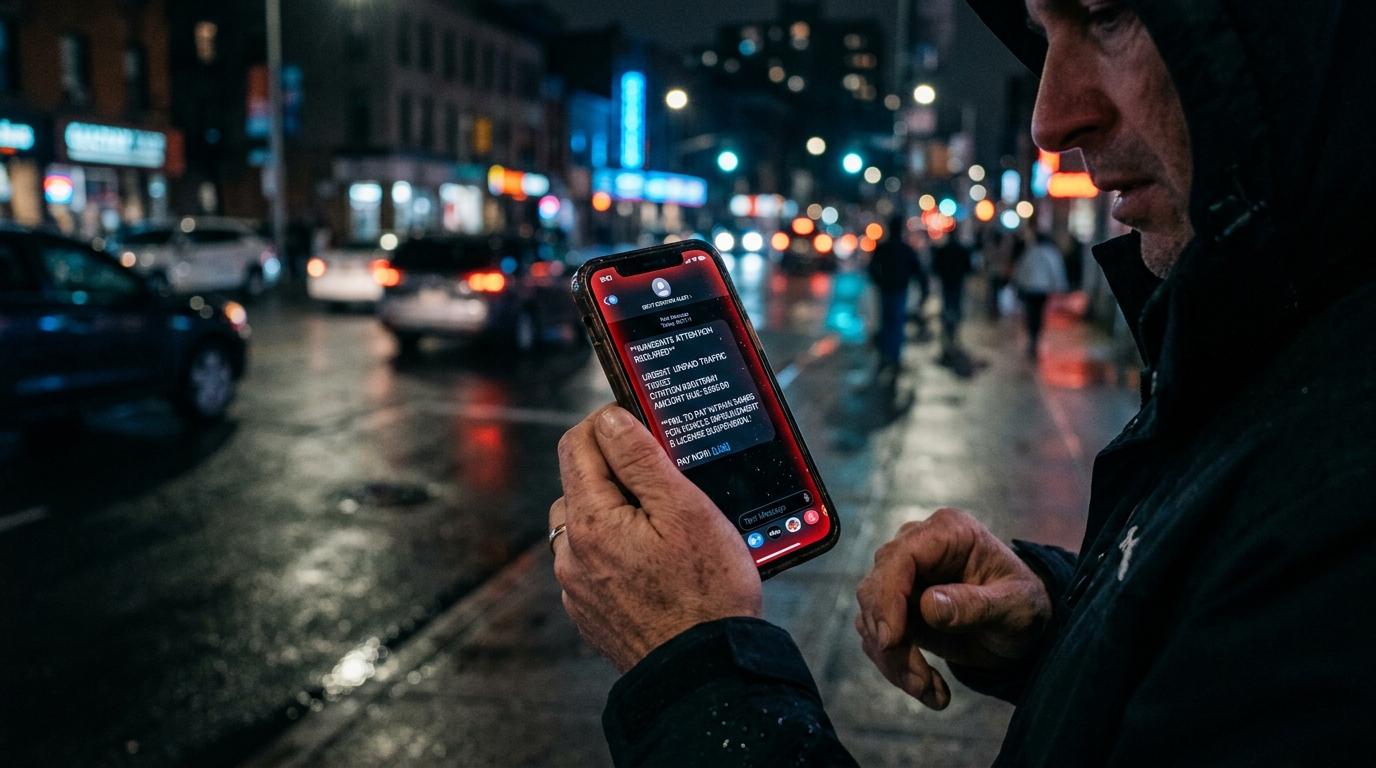
You start hearing your phone ring and reach for the phone as you wonder who it is. You look at the Caller ID and become confused as you see that it says Scam Likely. You start to debate with yourself as to whether or not it is a good idea to answer those Scam Likely calls or to just block and forget about it. This article will tell you more about these pesky Scam Likely calls and what possible scams could come with them.
How Often Are Scam Likely Calls Actually Scam Likely Calls?

A few days ago, I received a call from the Apple Store telling me that my laptop was fixed and that I could go pick it up. I was confused as to why the call was listed under Scam Likely, but I knew it was a real call since I actually did drop my laptop off at the Apple Store and ended up picking it up when the call told me to.
While my Scam Likely call actually ended up being a legit call, it’s really rare that this actually happens. When your mobile phone is telling you that certain calls are Scam Likely calls, then most likely it’s an identity thief, a scammer, a hacker, or some other type of scam artist calling you. They will find any excuse they can to try and take your money or identity over the phone, so your cell phone carrier tries to protect you by informing you that it might be a Scam Likely Caller.
How Does a Cell Phone Carrier Determine if Phone Numbers Are Scam Likely Calls?

Your mobile phone carrier can figure out if a phone number is a Scam Likely Caller by comparing it to a list of scam phone numbers that have been reported to them. If the phone number calling you matches one of the phone numbers on the list, your phone carrier marks it as a Scam Likely Caller.
Types of Phone and Robocall Scams That Could Happen on a Scam Likely Call

IRS or Government Scams
A scammer calls and pretends to be a trusted government official, telling you that you haven’t paid your IRS taxes or that you need to pay for some other government service. You believe the scammer and give them your personal and financial information so that you can pay for the service they are talking about. Sometimes, they might even ask you to pay for said services using a gift card, PayPal, CashApp, or another payment service.
However, instead of paying for the service or IRS, you’re giving scammers access to your identity and bank account to do whatever they want with it. They can use your identity to open up credit card accounts and get access to your banking information. They can also use your financial information to drain your bank accounts.
Debt Relief and Credit Repair Scams
Scammers state that they can help you lower your credit card interest rates, fix your credit score, and get your student loans forgiven with no problem! All you have to do supposedly is pay them a small fee and provide them with your personal and financial information. However, once you provide them with this information they will be able to steal your identity and your money.
Charity Scams
Scammers pretend to be representatives of a charitable organization that are calling people about donations. You get asked to provide them with your personal and financial information so that you can donate to this charity. However, once you provide them with this information, they are able to steal your identity and finances. That’s why it is always a good idea to research the charity before donating.

Salesperson Scam
Scammers pretend to be selling something over the phone and convince the customers to purchase this said item. The victims agree to purchase the product and provides the scammer with the requested personal and financial information. Once they give them this information, the scammer commits identity fraud and steals all the money from their bank accounts.
You’ve Won Scam
A scammer calls their victim claiming that the victim won something. The victim is then told that in order to receive the prize they need to provide the scammer with personal information and financial information so they can help pay a small fee for shipping.
How to Avoid Scam Likely Calls and Robocall Scams

- Block Scam Likely Callers on your phone. For iPhones, you can go under Settings > Phone, and then there’s an option to silence unknown callers. There is also an option under Call Blocking and Identification to Silence Junk Callers. With an Android, if you suspect that a phone number is a scammer you can block their number so that they don’t contact you again.
- Do not answer Scam Likely callers, and if you have to be careful. In my case, the scam likely call I got was legit but this isn’t always the case. If the person on the other end is asking for any personal or financial information, hang up immediately.
- Don’t give anyone over the phone your personal or financial information. The scammer will not follow through with the promises they make you. Instead, they will steal your money and identity then hang up on you once they get it.
- Report the scam phone call if you have had any money stolen. By reporting the scam, you will be helping the FTC and other organizations gain information on how to stop scammers before they scam their victims.
Social Catfish is Here to Help You With Your Scam Likely Call!
At Social Catfish, we want to help you verify the identities of those who might seem suspicious to you. If you have their name, email address, phone number, social media username, or image, you can reverse search and see who the suspected person was that you’ve been in contact with if you think you’ve been a victim of scam likely calls.