Multiple Faces Detected



 November 30th, 2020
When going to a Starbucks, an airport, or any other public place we are often given the privilege to access a public WiFi network. This can allow us to pass the time with Netflix, scrolling our social media accounts, and even doing work as we are sipping on unlimited coffee in a coffee shop. However, there is a price that comes with having access to a public WiFi network at our convenience. Scammers know that some people rely heavily on these public networks, so they search for their access points and hack it to steal people’s information. This is why people need to watch out when accessing public Wi-Fi networks.
The Dangers of Public WiFi Networks

- Man-in-the-Middle Attacks: This is when a scammer eavesdrops on what you are doing while you are using your computer. The scammer can use special devices to get between your device and the Internet. This allows them to see what information you are entering on the public Wi-Fi network so that they can steal it and commit identity theft.
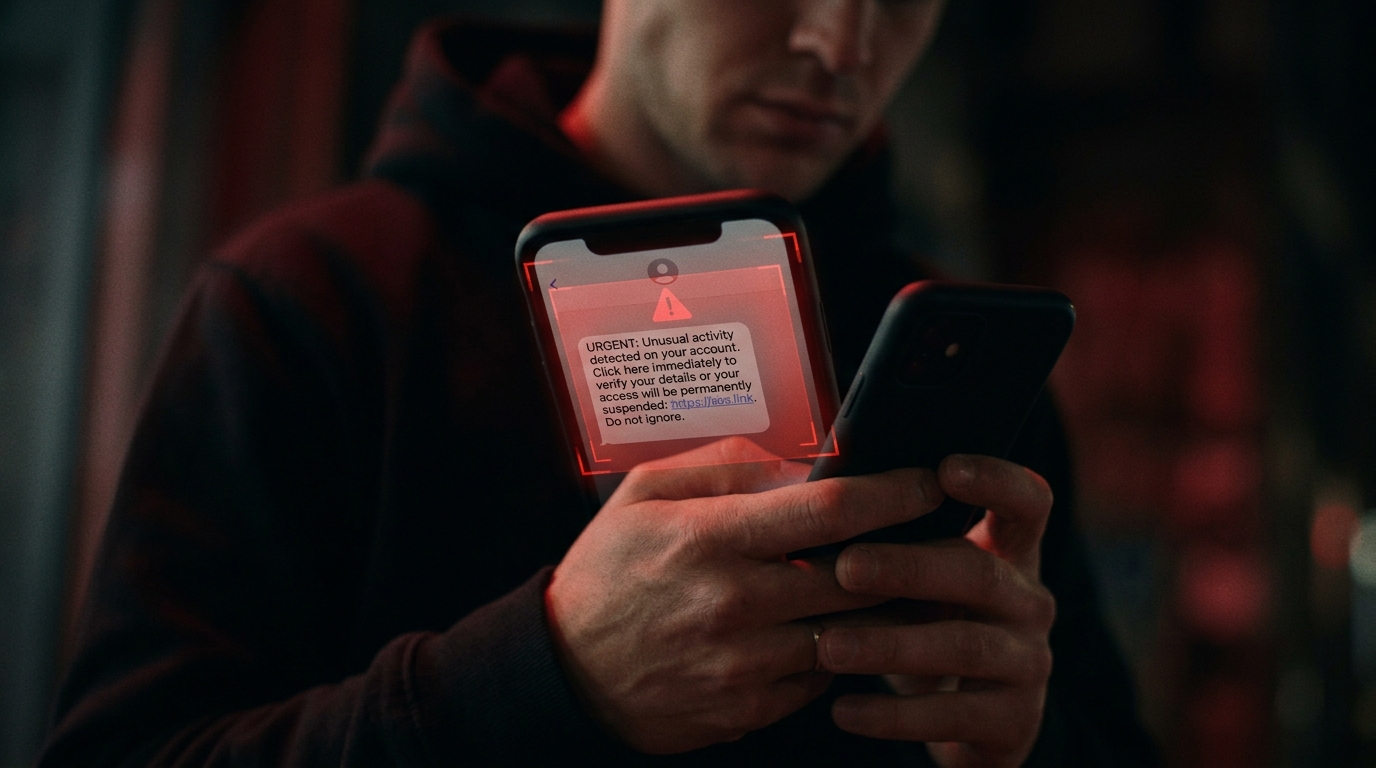
- Malware: Scammers can use public Wi-Fi networks to slip malware onto people’s devices as they are using the public network, sometimes through phishing text messages. With these viruses, scammers can then steal information off your computer, such as payment information, and use it to commit identity fraud.
- Hotspots Disguised as a Public Wi-Fi Network: Scammers set up a mobile hotspot and rename it so that it looks like a public Wi-Fi network. People log into this Wi-Fi network thinking that it’s just a normal public network and start Internet surfing or using messaging apps. This gives scammers access to your information so that they can steal it and drain your bank accounts.
- Is the Public Wi-Fi Network Encrypted?: When a public Wi-Fi network is encrypted, it means that your information is sent to the router in the form of a “secret code”, meaning no one can read it without knowing the key. Sometimes when a public Wi-Fi network is set up, the IT technician forgets to turn on encryption and it’s left turned off by default. This can cause security issues and can allow scammers to easily steal your information.
- Snooping Devices: Scammers have special devices that can eavesdrop on public Wi-Fi signals and steal your information. They are able to view everything you are doing on the public network, especially any personal or log-in information you have entered while using the Wi-Fi. They can then steal this information and access your bank accounts to steal your money.
How to Avoid the Dangers of Public WiFi Networks

- Make sure your device can’t automatically connect to public Wi-Fi networks. This will allow you to be in control of what network you want your device to connect to. This will give you peace-of-mind knowing a scammer can’t access your phone through the Wi-Fi you are on.
- Don’t log-in to any personal accounts when using public Wi-Fi. Scammers won’t be able to see your personal log-in through the public network if you avoid logging into your accounts. This will ensure that your banking details, two-factor authentication codes, as well as any other personal information, are confidential only to you.
- Disable file sharing on your device. By doing this, you keep scammers away from sharing a virus with you. If a scammer transmitted a virus on your device, this malware could steal your personal information and send it back to them.
- Only use websites using HTTPS. This will give you peace-of-mind that the network you are using is secure, which means it’s less likely a scammer can intrude on your information.
- Use a VPN to make sure you have a private connection on the public WiFi network. A VPN stands for a virtual private network and is used when you’re on a public network to send and receive data privately. This will allow you to feel safe knowing that a scammer can’t access your most valuable data when you have no choice but to surf the internet on a public network while scrolling your phone.
Social Catfish is Here to Help You!
If a scammer has contacted you letting you know they stole your information from a public network, Social Catfish is here to help you figure out who it is! We can reverse search any name, email address, phone number, social media username, or image to help you catch the scammer so that you can report it to your local law enforcement. Sign up and figure out who’s been contacting you today!