 Multiple Faces Detected


 February 27th, 2026
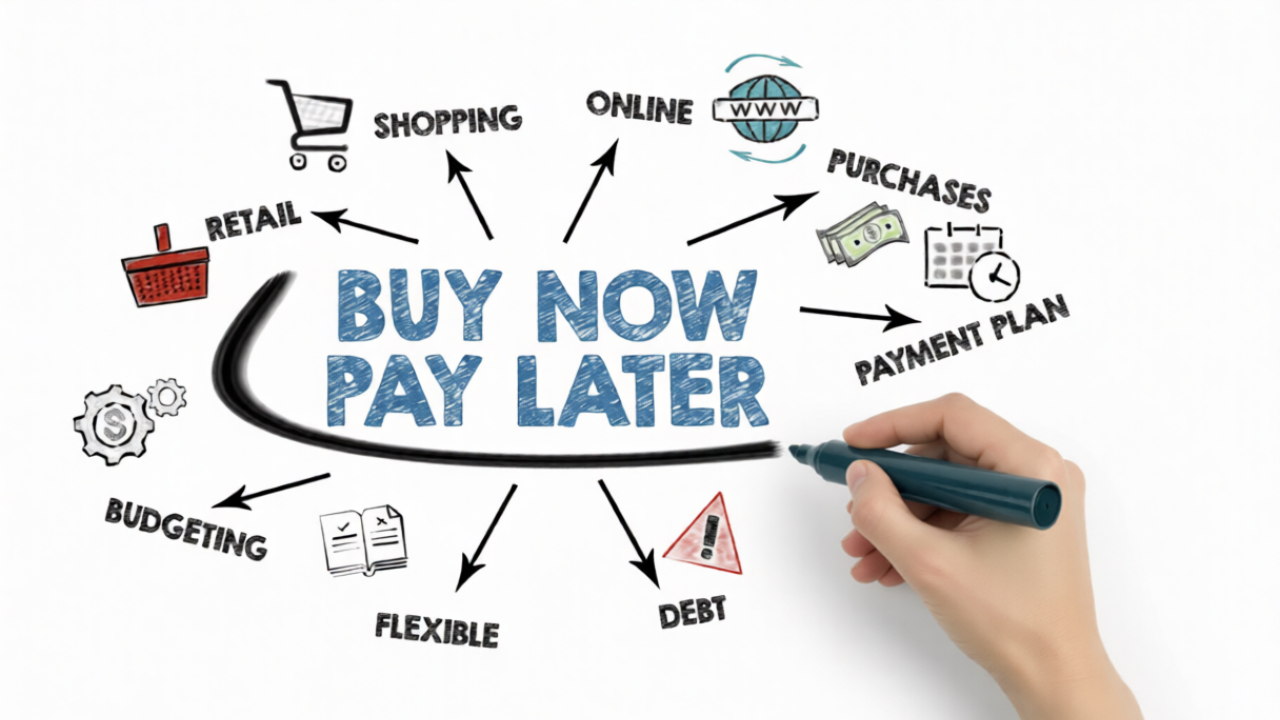
You’re checking out online, and there is a button that says “Pay in 4” with zero interest. It takes about ten seconds to sign up, no hard credit check, and your order ships the same day. Buy Now Pay Later services like Klarna, Afterpay, Affirm, and Apple Pay Later have made shopping faster and more flexible than ever. But that same speed and convenience that makes BNPL so appealing is exactly what makes it a prime target for scammers.
BNPL fraud is one of the fastest-growing financial crimes in the country. In the first half of 2024 alone, synthetic identity fraud, one of the most common methods used to exploit BNPL platforms, surged 26%, according to ACI Worldwide. And in a scheme that went viral on TikTok in late 2024, scammers used stolen personal information to open fraudulent Klarna accounts and max them out on electronics, leaving innocent victims with debt, damaged credit, and no recourse.
Whether you’re a regular BNPL user or someone who’s never tried it, understanding how these scams work is the first step to making sure your name and information aren’t the ones being used.
Not sure if your personal information is already out there? Search yourself on Social Catfish and see what scammers may already have access to.
What Is Buy Now Pay Later, and Why Do Scammers Target It?
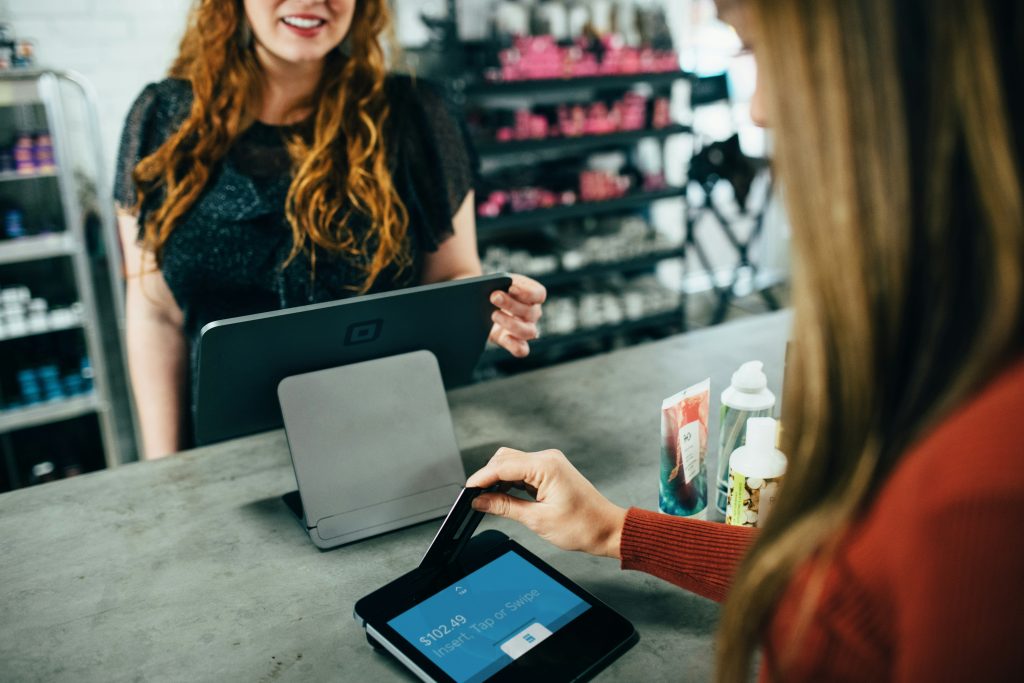
Buy Now Pay Later (BNPL) is a short-term financing option that lets consumers split purchases into installments, typically four payments with little to no interest. Providers approve applications almost instantly using a soft credit check, making the process far faster and easier than applying for a credit card.
That convenience is the vulnerability. Unlike traditional credit cards that require rigorous identity verification, many BNPL platforms prioritize speed over security. A fraudster with your basic personal information, name, address, date of birth, and Social Security number can potentially open a BNPL account in your name, make high-value purchases, and disappear before the first payment is due.
The Most Common Buy Now Pay Later Scams in 2026
Identity Theft and New Account Fraud
This is the most damaging BNPL scam for consumers. A fraudster uses your stolen personal information, often purchased from data breach listings on the dark web, to open a BNPL account in your name. They make purchases on electronics, designer goods, or other high-value items, then resell them for cash. You find out weeks or months later, when a debt collector comes calling for payments you never made.
Synthetic Identity Fraud
Synthetic identity fraud involves combining your real information, like a valid Social Security number, with fabricated details like a fake name or address to create a brand-new identity. Because the account shows some legitimate data, it can pass basic verification checks. Synthetic identity fraud is a $6 billion problem in the U.S., and BNPL platforms with lax onboarding processes are among the easiest targets.
Account Takeover Fraud
Scammers gain access to your existing BNPL account through phishing emails, credential stuffing (using leaked username and password combinations from other breaches), or SIM swapping. Once inside your account, they change the shipping address and make purchases before you notice. Because the account already has an established history, these transactions often slip through fraud detection systems.
BNPL Phishing Texts and Emails
You receive a text or email that appears to come from Klarna, Afterpay, or Affirm claiming there’s an issue with your account, a payment failed, or your account has been suspended. The message includes a link to a fake login page designed to steal your credentials. This is one of the most common ways scammers gain access to legitimate BNPL accounts.
The “BNPL Glitch” Social Media Scam
In late 2024 and into 2025, viral TikTok videos promoted what scammers called the “Klarna Method” or “Klarna Glitch,” claiming viewers could get free electronics by exploiting a supposed loophole. In reality, the scheme involved using stolen identities to open fraudulent accounts. Innocent victims whose information was used were left with unauthorized debt. Klarna confirmed the practice was fraud and stated it carries federal wire fraud penalties of up to 20 years in prison.
How BNPL Scams Steal Your Personal Information
Data Breaches
Your name, address, Social Security number, and date of birth may already be available on the dark web from past data breaches. In 2024, over 5.5 billion accounts were compromised globally, according to Surfshark, nearly eight times more than in 2023. Scammers buy this data in bulk and use it to open BNPL accounts at scale.
Phishing Attacks
Phishing emails and texts impersonating BNPL providers trick users into handing over their login credentials or personal information directly. These messages are increasingly convincing in 2025 and 2026, with AI-generated language that closely mimics real company communications.
Public Information Exposure
Scammers also piece together synthetic identities using publicly available information, social media profiles, data broker listings, and other sources that expose your address, employer, phone number, and more. The less information that’s publicly accessible about you, the harder it is to build a fraudulent identity in your name.
Want to know what information about you is already publicly visible? Search your name on Social Catfish and find out what scammers can see.
How to Spot a Buy Now Pay Later Scam
Red Flags in Messages Claiming to Be From BNPL Providers
- Urgent language about account suspension, failed payments, or security issues
- Links that don’t match the official domain (e.g., klarna-support.net instead of klarna.com)
- Requests to verify your full Social Security number or bank account details
- Messages asking you to act immediately or lose access to your account
- Generic greetings like “Dear Customer” instead of your actual name
Red Flags on BNPL Checkout Pages
- The URL doesn’t match the official BNPL provider’s website
- The page looks slightly off different fonts, colors, or layout from what you normally see
- You’re asked for more information than usual during checkout
- The offer sounds too good zero payments for 12 months from a provider you’ve never seen before
Signs Someone Has Used Your Identity for BNPL Fraud
- Bills or collection notices for purchases you never made
- Unfamiliar BNPL accounts appearing on your credit report
- Emails confirming BNPL account creation you didn’t initiate
- Sudden drops in your credit score without explanation
- Notifications about shipping confirmations for orders you didn’t place
How to Protect Your Information From BNPL Scams
Use Strong Unique Passwords on Every BNPL Account
Credential stuffing attacks work because people reuse passwords across multiple accounts. If your login for one service is leaked in a breach, scammers will try the same combination on Klarna, Afterpay, and Affirm. Use a password manager to generate and store unique passwords for each platform.
Enable Two-Factor Authentication
Every major BNPL provider offers two-factor authentication. Turn it on. Even if a scammer has your password, they can’t access your account without the second verification step sent to your phone or email.
Monitor Your Credit Report Regularly
Unauthorized BNPL accounts show up on credit reports. Check all three bureaus, Equifax, Experian, and TransUnion, at least every few months. You’re entitled to one free report per bureau per year at AnnualCreditReport.com. Consider placing a fraud alert if you suspect your information has been compromised.
Freeze Your Credit When You’re Not Actively Applying for Credit
A credit freeze prevents anyone, including scammers, from opening new accounts in your name. It’s free, takes minutes to set up at each bureau, and can be temporarily lifted when you need it. This is the single most effective step you can take to prevent BNPL identity theft.
Never Click Links in Unsolicited BNPL Messages
If you receive a text or email about your BNPL account, go directly to the provider’s official website or app. Don’t click the link in the message. Real BNPL providers will not ask you to verify your Social Security number, bank account, or full card details through a text message link.
Check What Personal Information Is Publicly Available About You
Scammers use publicly available data to piece together identities and make fraud attempts more convincing. Running a search on your own name, phone number, email, and address through Social Catfish shows you exactly what’s accessible the same way a fraudster would see it. Knowing your exposure is the first step to reducing it.
What to Do If You’re a Victim of BNPL Fraud
Dispute the Account Immediately
Contact the BNPL provider directly and report the account as fraudulent. Request that all activity be frozen and the account be flagged for investigation. Keep a record of every call and correspondence.
Place a Fraud Alert or Credit Freeze
Contact one of the three major credit bureaus to place a fraud alert; they’re required to notify the other two. For stronger protection, place a credit freeze at all three bureaus to prevent any new accounts from being opened.
File a Report With the FTC
Report the identity theft at IdentityTheft.gov, the FTC’s dedicated identity theft recovery platform. The site walks you through a personalized recovery plan and generates official documentation you can use with creditors and law enforcement.
Review and Dispute Your Credit Report
Request your credit reports and dispute any unauthorized BNPL accounts in writing with the credit bureaus. Under the Fair Credit Reporting Act, bureaus are required to investigate and remove fraudulent accounts.
How Social Catfish Helps After BNPL Fraud
After becoming a victim of BNPL identity theft, understanding how your information was obtained helps prevent it from happening again.
See What Data Is Publicly Exposed
Run a search on your own name, address, phone number, and email through Social Catfish to see what information is accessible on public databases and data broker sites. This is often where synthetic identity fraudsters source the real components of a fake identity.
Reverse Email or Phone Search
If you received phishing messages before the fraud occurred, run the sender’s email or phone number through Social Catfish to identify whether it’s connected to known scam operations or fake business identities.
Verify Contacts Claiming to Help You
After reporting fraud, you may be contacted by fake “resolution services” offering to help recover your losses for a fee. Run any unfamiliar contact through Social Catfish before engaging.
Frequently Asked Questions
Yes. If a scammer has your personal information, name, address, date of birth, and Social Security number, they can potentially open a BNPL account in your name using many platforms’ rapid approval processes. Placing a credit freeze is the most effective way to prevent this.
Watch for unfamiliar BNPL accounts on your credit report, collection notices for purchases you didn’t make, or shipping confirmations for orders you never placed. You can also search your name, phone, and email on Social Catfish to see what personal data is publicly exposed, the same information scammers use to open fraudulent accounts in your name.
It depends on the platform and the type of fraud. If a fraudster opened a new account using your stolen identity, the BNPL provider is typically liable for the fraudulent debt, not you. Contact the provider immediately, document everything, and file a report with the FTC.
BNPL is safe to use when you take the right precautions, such as strong, unique passwords, two-factor authentication, and regular credit monitoring. The risk comes primarily from identity theft using your information, not from using the service itself.
The “Klarna Method” is a viral social media scam where fraudsters use stolen identities to open BNPL accounts and purchase high-value items with no intent to pay. It is a federal crime. Klarna has confirmed it actively monitors for this activity and warned that participants face federal wire fraud charges carrying penalties of up to 20 years in prison.
Conclusion
Buy Now Pay Later services aren’t going away, and neither are the scammers who exploit them. The same features that make BNPL fast and easy for consumers make it an attractive target for identity thieves, account hijackers, and phishing operations. Protecting yourself starts with understanding how the fraud works, keeping your personal information off public databases, and monitoring your credit for accounts you didn’t open. The less of your data that’s out there, the harder you are to target. Run a free search on Social Catfish to see what personal information is publicly visible about you before a scammer finds it first.