Multiple Faces Detected


 October 10th, 2025
Your phone rings. It’s an unknown number. You answer, and it’s a robotic voice warning about your car’s extended warranty. Sound familiar?
U.S. consumers receive approximately 4 billion robocalls per month, according to the Federal Communications Commission. Spam calls, robocalls, and phone scams have become a daily nuisance for millions of Americans.
But how do you know if that unknown number is just annoying spam or an actual scammer trying to steal your money? This guide breaks down everything you need to know about identifying scammer numbers and protecting yourself from phone fraud.
What Are Robocalls?
Robocalls are automated phone calls that deliver pre-recorded messages. Companies use auto-dialing software to call thousands of numbers simultaneously. When you answer, you hear a recorded message instead of a live person.
A robocall trying to sell you something is illegal unless the company got written permission directly from you. However, scammers don’t care about laws. They use robocalls because they’re cheap and can reach massive numbers of people quickly.
Types of Robocalls You’ll Encounter
Legitimate Robocalls:
- Appointment reminders from your doctor
- School closing notifications
- Alerts from your bank about actual fraud
Illegal Telemarketing Robocalls:
- Unsolicited sales pitches
- Extended warranty offers
- Debt relief services
Dangerous Scam Robocalls:
- Fake IRS or tax collection calls
- Social Security suspension warnings
- Tech support virus alerts
Don’t risk answering scam calls. Use Social Catfish’s reverse phone lookup to identify suspicious numbers before you answer.
The Most Common Phone Scams in 2025
IRS and Tax Scams
Scammers pose as IRS agents claiming you owe back taxes. They threaten arrest or legal action if you don’t pay immediately. Remember: The IRS never calls to demand immediate payment or threatens arrest over the phone.
Social Security Scams
Callers claim your Social Security number has been suspended due to suspicious activity. The truth: Your Social Security number can’t be suspended.
Tech Support Scams
A robocall warns that your computer has a virus. They ask you to call back or provide remote access to your computer. Reality check: Legitimate tech companies don’t make unsolicited calls about viruses.
Bank and Credit Card Fraud Alerts
Scammers leave voicemails or send texts alerting you to “fraud” on your accounts. They’re really after your PINs and sensitive information.
Extended Car Warranty Scams
These are among the most common spam calls. Scammers claim your car’s warranty is expiring and pressure you to buy an overpriced extended warranty.
Received a suspicious call about your accounts? Verify the number with Social Catfish before calling back or sharing any information.
Red Flags: How to Spot a Scammer Number
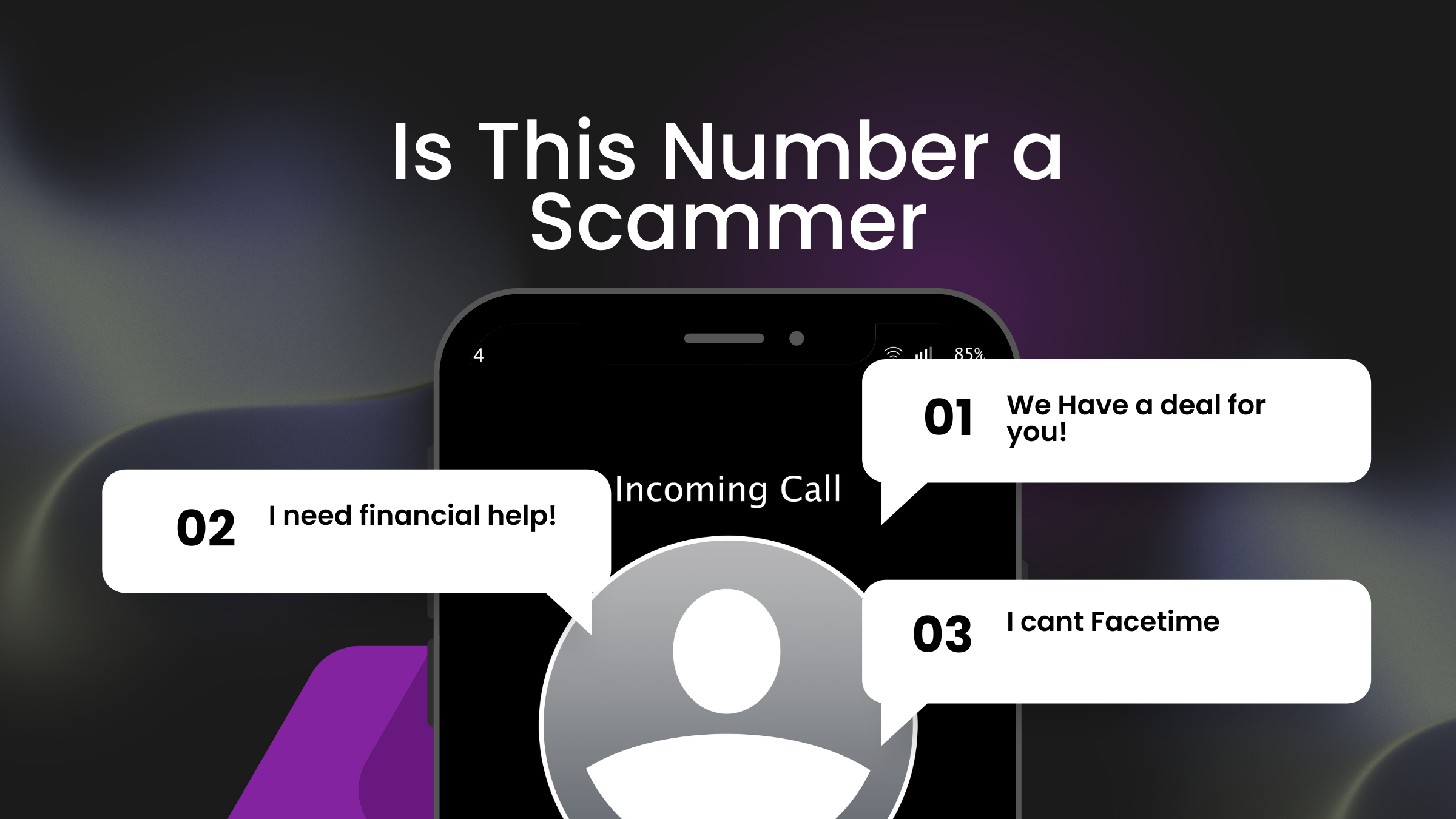
Watch for these warning signs that indicate a number is likely a scammer:
Caller ID Spoofing
Scammers manipulate caller ID to make it look like they’re calling from a local number, government agency, or legitimate company.
Pressure Tactics
- Demand immediate action or payment
- Threaten arrest or legal action
- Claim service disconnection is imminent
- Insist you must act “right now”
Suspicious Payment Methods
Red flag payment requests include:
- Gift cards (iTunes, Amazon, Google Play)
- Wire transfers (Western Union, MoneyGram)
- Cryptocurrency
- Cash apps (Venmo, Cash App, Zelle)
Real companies don’t demand these payment methods.
Requests for Personal Information
Legitimate organizations won’t call asking you to verify:
- Social Security number
- Bank account details
- Credit card numbers
- Passwords or PINs
Too Good to Be True Offers
If a call promises you won a prize you didn’t enter to win, offers a free vacation, or guarantees debt elimination—it’s a scam.
How to Check If a Number Is a Scammer
Before you answer or call back an unknown number, take these verification steps.
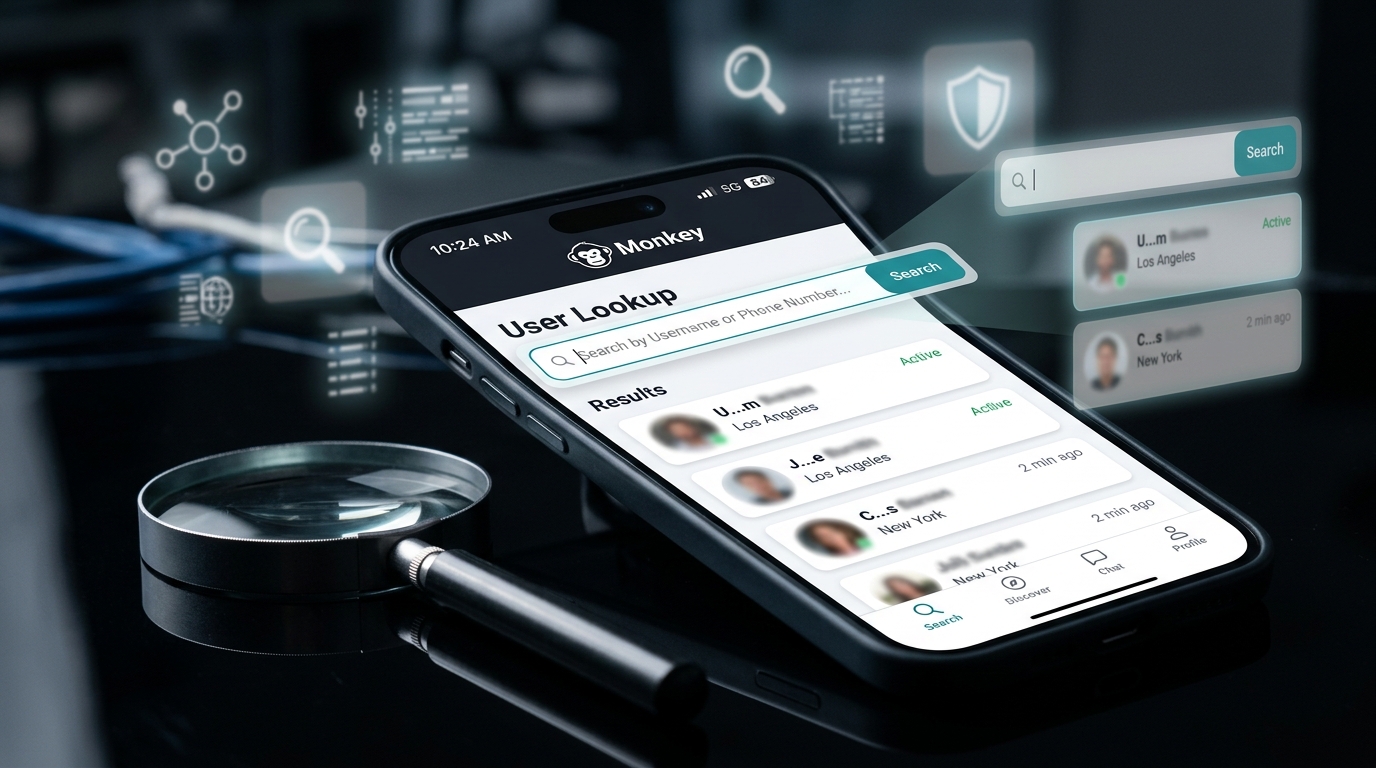
Use Social Catfish’s Reverse Phone Lookup
Social Catfish’s reverse phone lookup searches billions of records to identify who owns a number. You can discover:
- The caller’s name
- Their location
- Associated social media profiles
- Whether the number has been reported for scam activity
This simple step can save you from falling victim to fraud.
Search the Number Online
Type the phone number into Google with quotation marks around it. Check these resources:
- 800notes.com
- WhoCallsMe.com
- Better Business Bureau Scam Tracker
Check Your Carrier’s Spam Protection
Most major phone carriers now offer spam detection:
- AT&T: Call Protect app
- Verizon: Call Filter
- T-Mobile: Scam Shield
Call the Company Directly
If a caller claims to be from your bank, credit card company, or utility provider:
- Hang up immediately
- Look up the company’s official number on their website
- Call them directly to verify
- Never use the number the caller provided
Unknown numbers keep calling? Stop guessing—use Social Catfish to identify callers and protect yourself from scams.
How to Protect Yourself from Phone Scams
Don’t Answer Unknown Numbers
- Let unknown calls go to voicemail
- Legitimate callers will leave a message
- Answering confirms your number is active
Never Press Buttons During Robocalls
Don’t press 1 to speak to an agent or press 2 to be removed. Pressing buttons confirms your number is active and may connect you to a scammer.
Block Scam Numbers Immediately
- Use your phone’s built-in blocking feature
- Download call-blocking apps like Nomorobo, RoboKiller, or Truecaller
Register with the National Do Not Call Registry
Visit DoNotCall.gov and add your number for free. While scammers ignore this registry, it reduces legitimate telemarketing calls.
Verify Before You Trust
Always independently verify any caller claiming to be from a company or government agency. Use official contact information from websites, never numbers provided by the caller.
Educate Vulnerable Family Members
Seniors are prime targets for phone scammers. Make sure elderly family members know common scam tactics and understand they should verify suspicious calls with you first.
What to Do If You’ve Been Scammed

If you suspect you’ve fallen victim to a phone scam, act quickly.
Immediate Actions to Take
Contact Your Bank:
- Call your bank or credit card company immediately
- Report unauthorized transactions
- Request new cards if necessary
Place Fraud Alerts: Contact all three credit bureaus:
- Equifax: 1-800-525-6285
- Experian: 1-888-397-3742
- TransUnion: 1-800-680-7289
Report the Scam:
- Federal Trade Commission: ReportFraud.ftc.gov
- FBI Internet Crime Complaint Center: ic3.gov
- Your state attorney general’s office
Change Your Passwords:
- Update passwords on all accounts
- Enable two-factor authentication
- Use unique, strong passwords
Document Everything:
- Save all voicemails
- Screenshot text messages
- Note dates, times, and phone numbers
- Keep payment receipts
Think you’ve been targeted by a scammer? Use Social Catfish’s tools to investigate the number and gather evidence for your report.
How Social Catfish Protects You from Phone Scams
Social Catfish offers powerful tools to help you identify scammer numbers before they cause damage.
Reverse Phone Lookup
- Searches billions of records instantly
- Reveals the caller’s real identity
- Shows location and carrier information
- Identifies numbers reported for scam activity
Background Check Services
- Uncover hidden criminal records
- Find associated email addresses
- Discover additional phone numbers
- View social media presence
Image Search Technology
If a scammer sends photos, upload the image to Social Catfish to find where else that photo appears online and expose fake identities.
Frequently Asked Questions
How can I tell if a number is a scammer?
Look for red flags like pressure tactics, requests for gift card payments, threats of arrest, and demands for personal information. Use Social Catfish’s reverse phone lookup to check if a number has been reported for scam activity.
Should I answer calls from unknown numbers?
No. Let unknown calls go to voicemail. Legitimate callers will leave a message. Answering confirms your number is active and may lead to more spam calls.
What should I do if I answer a robocall?
Hang up immediately. Don’t press any buttons or provide personal information. Block the number and report it to the FTC. Use Social Catfish to identify the caller.
Can scammers steal my information just by me answering the phone?
Simply answering doesn’t give scammers access to your information. However, they may record your voice saying “yes” for unauthorized charges. The real danger comes from providing information during the call.
How do scammers get my phone number?
Scammers obtain numbers from data breaches, public records, social media, online forms, purchased lists, and random number generation.
Stop letting scammers hide behind unknown numbers. Phone fraud costs Americans millions every year. Use Social Catfish’s reverse phone lookup to identify callers, expose scams, and keep your information safe.
Conclusion
Phone scams aren’t going away, but you don’t have to be a victim. By recognizing the red flags, verifying unknown numbers before you engage, and using tools like Social Catfish’s reverse phone lookup, you can protect yourself and your loved ones from fraud.
Remember: legitimate organizations will never pressure you for immediate payment, threaten arrest over the phone, or demand gift cards or wire transfers. When in doubt, hang up and verify independently. Your financial security and peace of mind are worth the extra few minutes it takes to check if that number is really a scammer.