
 Multiple Faces Detected



 June 27th, 2025
Medicare Open Enrollment, running from October 15 to December 7 each year, is a critical time for millions of Americans to review and update their health coverage. But while you’re focused on finding the best plan, scammers are focused on finding their next victim.
Medicare-related scams tend to spike during this window, and they’re becoming more deceptive each year. In this article, we’ll break down how these scams work, the red flags to watch for, and how to protect yourself or a loved one from becoming a target. We’ll also explain how platforms like Social Catfish help people stay safe and alert during this vulnerable time.
Why Scammers Target Medicare Open Enrollment
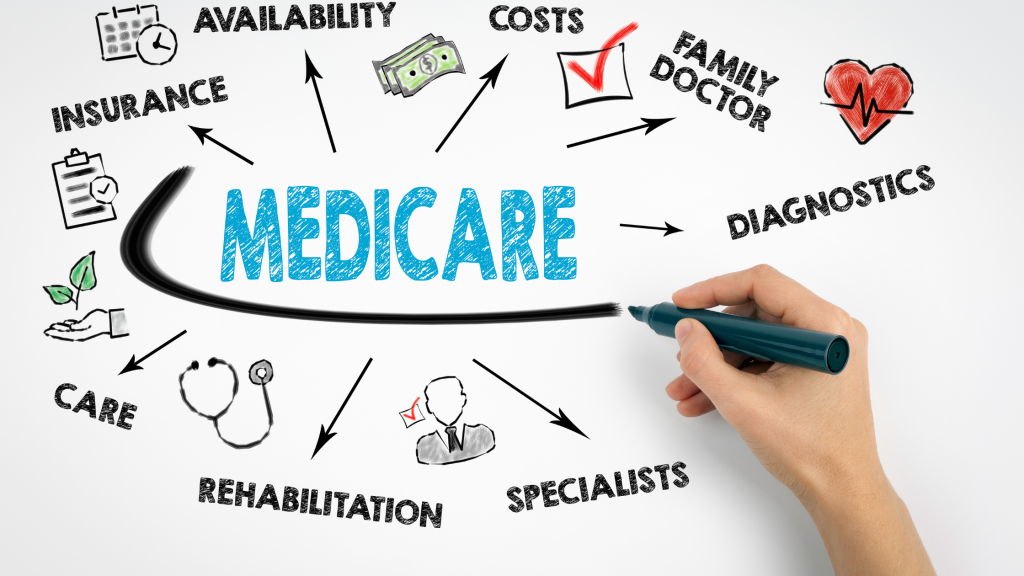
Scammers know that Medicare Open Enrollment creates confusion and urgency. With so many plan options and changes in benefits, people often feel pressured to make quick decisions. That makes them more likely to trust someone who seems to be offering “help.”
What’s worse, many seniors may not be aware of the official rules about how Medicare communicates, which opens the door for scammers to pose as trusted sources.
These fraudsters often pretend to be:
- Medicare agents or representatives
- Licensed insurance brokers
- Government health officials
- Tech support or enrollment center staff
The goal is almost always the same: steal your Medicare number, Social Security info, or banking details.
Common Medicare Open Enrollment Scams
Here are some of the most common scams you may encounter during enrollment season:
1. Fake Medicare Calls
You may get a call from someone claiming to be from Medicare who says they need to verify your information before issuing a new card. They may ask for your Medicare number, full name, date of birth, or even your banking information.
Important: Medicare will never call you unsolicited or ask for sensitive information over the phone.
2. Imposter Websites
Some scammers create fake websites that look just like official Medicare or insurance provider sites. These sites often have phony enrollment forms designed to collect your personal and financial details.
Always check the web address, and make sure you’re on Medicare.gov or a trusted insurance company’s verified domain.
3. Unsolicited Plan Offers
If you receive an unexpected text, email, or call about a better or limited-time Medicare plan, proceed with caution. These aggressive pitches are a red flag, especially if you didn’t request information.
4. Phishing Emails and Texts
Scammers may send messages with official-looking branding, logos, and even real Medicare lingo. These messages usually ask you to click a link to update your information or “confirm eligibility.”
Once you click, you could be redirected to a malicious website or install malware on your device.
Real Scam Example: A Medicare Fraud Ring Busted
In 2023, federal authorities uncovered a nationwide Medicare scam operation that had defrauded the system out of more than $30 million. The criminals posed as Medicare agents and called thousands of seniors, promising extra benefits and asking for Medicare ID numbers.
They then used those numbers to submit fraudulent claims for services and devices that were never provided. Many victims only found out when they reviewed their statements or were denied coverage for actual care.
This case shows how organized, and dangerous, these scams have become. These aren’t isolated crimes, they are part of larger, well-coordinated racketeering operations designed to exploit trust and steal from vulnerable populations.
How to Protect Yourself During Medicare Enrollment
1. Guard Your Medicare Number
Only share your Medicare number with doctors, pharmacists, or verified insurance professionals that you initiated contact with. If someone calls or messages you first, be skeptical.
2. Don’t Answer Unknown Calls
Let calls from unknown numbers go to voicemail. If it’s important, the caller will leave a message, and you can call back using an official number from Medicare or your provider’s website.
3. Enroll Through Trusted Sources
Always use Medicare.gov or verified agents. Don’t click on links from unsolicited emails or ads claiming to offer deals on coverage.
4. Don’t Give In to Pressure
Medicare representatives will never pressure you to make an immediate decision. Scammers use urgency and fear to force action, resist that pressure.
5. Check With Someone You Trust
Talk to a family member, caregiver, or insurance advisor if you’re unsure about communication. A second opinion can help prevent mistakes.
How Social Catfish Can Help You Stay Safe

At Social Catfish, we specialize in online identity verification and fraud prevention. We offer advanced tools and expert services that help you identify scams before they cause damage.
Whether you receive a suspicious call, text, email, or direct message, we help you take action confidently.
Here’s how our tools protect you:
- Reverse Phone Lookup: See who’s really behind that unknown number.
- Email Search: Identify scam email addresses before you click.
- Image Search: Spot fake Medicare cards or ID images.
- Username Lookup: Check if someone contacting you is linked to scam activity.
Thousands of users have used Social Catfish to confirm suspicious contacts, avoid financial loss, and even assist law enforcement with fraud reports.
One customer searched a phone number they were contacted from and discovered it had been flagged by dozens of other seniors as part of a known Medicare scam. That single search helped them avoid giving out their Medicare number, and likely saved them from months of recovery work.
Frequently Asked Questions (FAQ)
What should I do if I gave my Medicare number to a scammer?
Immediately contact Medicare at 1-800-MEDICARE, report the incident, and monitor your claims closely.
Can Medicare call me directly?
Only in limited cases, such as follow-ups you requested. Medicare does not cold-call beneficiaries to ask for personal information.
How can I safely review or change my Medicare plan?
Go directly to Medicare.gov or work with a licensed insurance advisor. Avoid clicking links in ads or unsolicited emails.
Are Medicare scams common?
Unfortunately, yes. They spike during open enrollment each year and often involve sophisticated tactics and coordinated networks.
Can Social Catfish really help me detect Medicare scams?
Yes, our tools are designed to help verify identities, trace suspicious contact, and detect fraud patterns, especially during high-risk periods like Medicare Open Enrollment.
Final Thoughts
Medicare Open Enrollment is a time for smart decisions about your health, not a time to be tricked by criminals. But the reality is clear: Medicare scams are rising, and fraudsters are getting bolder and more sophisticated.
The good news? You have the power to stop them. By staying informed, verifying suspicious activity, and using tools like Social Catfish, you can protect yourself and those you care about from fraud, identity theft, and serious financial loss.
Don’t wait until it’s too late, start your search with Social Catfish today and take control of your digital safety during open enrollment and beyond.