
 Multiple Faces Detected


 May 10th, 2025
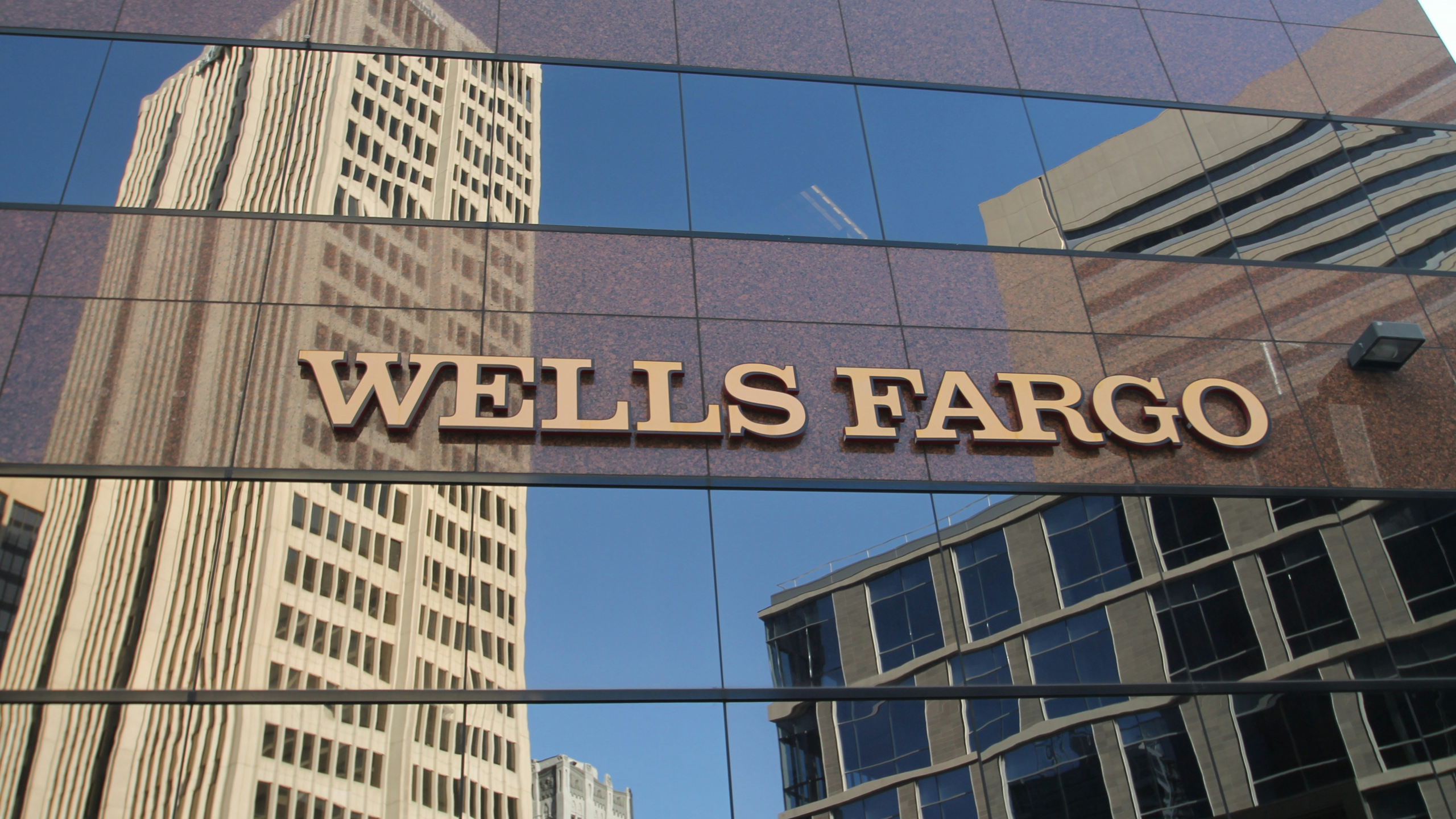
The Wells Fargo Fake Account Scandal involved employees creating over 3.5 million fake bank and credit card accounts using real customer information without permission. Victims were charged fees and handed accounts they never requested, often damaging their credit scores.
This wasn’t a one-time mistake. It lasted for years, fueled by intense sales pressure and weak oversight. The scandal showed how toxic internal goals can turn into widespread fraud.
This blog discusses how it happened, why it wasn’t stopped sooner, and what this case teaches us about the risks that still exist in modern banking. If it happened at one of America’s biggest banks, it can happen anywhere.
Timeline of the Wells Fargo Fake Accounts Scandal
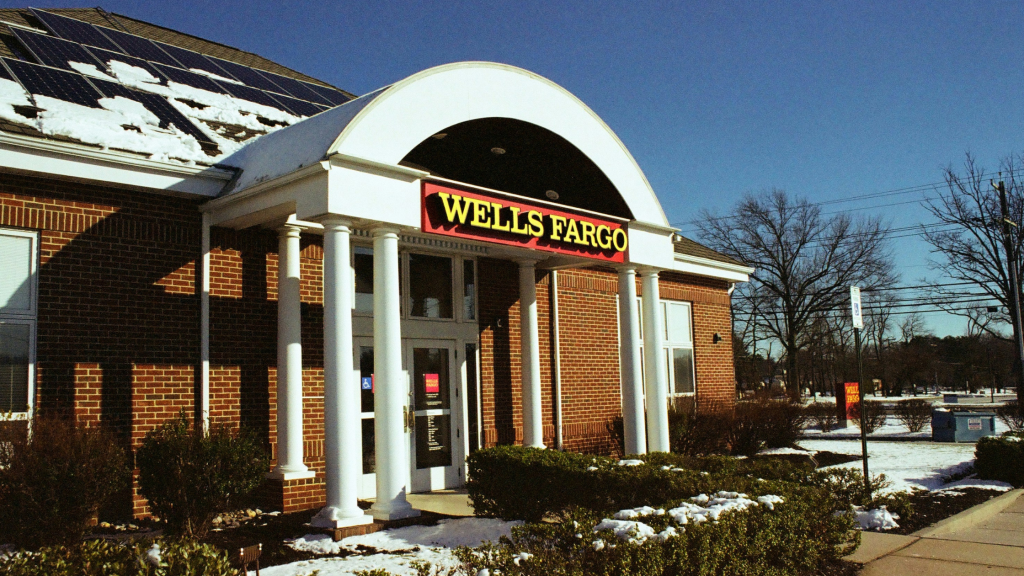
This is how a culture of pressure, silence, and unchecked ambition allowed one of the biggest banking frauds in U.S. history to grow over more than a decade:
The Early Signs (2002–2010)
It started with a push to sell more. Wells Fargo told workers to get each customer to open several accounts, even if they didn’t need them. This idea, called “cross-selling,” became the bank’s main goal.
Employees warned that things were going too far. Some reported that customers were being signed up for products without knowing. But instead of fixing the problem, bank leaders kept pushing for more sales.
The pressure was constant. If employees didn’t hit their daily targets, they were written up or fired. Over time, doing whatever it took to meet goals became the norm.
The Breaking Point (2011–2015)
Between 2011 and 2015, things got worse. Employees started opening fake checking, savings, and credit card accounts using real customer info, just to meet their sales goals.
Some managers even changed performance reports to hide the truth. Teams made secret lists of fake accounts so they could hit their numbers without getting caught.
People inside the bank started speaking up, but they were ignored or punished. Some were fired for telling the truth. The fraud kept growing.
Public Exposure (2016)
In 2015, the City of Los Angeles sued Wells Fargo for opening fake accounts and charging customers unfair fees, making the issue public.
In 2016, major federal agencies stepped in: the CFPB, OCC, and FDIC. That same year, Wells Fargo was fined $185 million.
Then, CEO John Stumpf had to face the U.S. Senate. Lawmakers from both parties demanded answers. They asked why the fraud had gone on for so long and why no one at the top had stopped it.
What Happened Inside Wells Fargo Fake Accounts Scandal
Inside the pressure, tricks, and broken systems that led to millions of fake accounts and betrayed customer trust.
Fake Account Creation Explained
At the center of the scandal was a simple but harmful trick: opening accounts without telling customers.
Employees created millions of checking and savings accounts using real customer information, without permission. In some cases, they even moved money between accounts just to meet daily sales goals.
Credit cards were issued without consent. Customers would later find out when they got bills for cards they never asked for.
Some people were also signed up for services like online banking or overdraft protection without knowing. These enrollments triggered fees, damaged credit scores, and left many feeling confused and betrayed.
“Eight Is Great” – The Slogan That Broke the System
Wells Fargo’s motto was “Eight is great,” meaning that each customer should have eight products with the bank. That target didn’t come from what customers needed; it came from what upper management wanted.
Workers were expected to hit daily sales numbers or risk losing their jobs. Many were fired or punished for not meeting impossible goals.
The pressure created fear. Managers tracked every sale, and if employees fell short, they were written up. Some managers encouraged cheating just to protect their jobs.
What Wells Fargo Did After Getting Caught
Here are the changes the bank made after Wells Fargo scams and why many people still don’t fully trust them:
Changes Inside the Company
Once the scandal became public, Wells Fargo eliminated the sales goals that had caused so much pressure. Employees were no longer forced to sell extra products just to keep their jobs.
The bank also said it would protect workers who reported wrongdoing. New rules were added so employees could speak up without getting fired or punished.
Things changed at the top, too. CEO John Stumpf stepped down, and several top leaders were removed. The board made changes to how the company is run to prevent this kind of problem from happening again.
Saying Sorry and Trying to Fix Their Image
Wells Fargo ran apology ads on TV and online, saying it was working to earn back trust. Its new message focused on doing the right thing for customers.
But trust is hard to regain. Many people suffered real harm, like damaged credit scores and unwanted fees.
In many cases, stolen identities were used to move money quickly through services like Western Union or Zelle, leading to wire transfer scams that drained victims’ accounts.
Even today, people still don’t trust the bank. While they’ve made changes, some believe the company hasn’t fully fixed the culture that allowed the fraud in the first place.
If you’ve ever gotten a strange call from someone claiming to be your bank, don’t ignore it. You could be facing the kind of scam described in this catfish fraud case that costs victims their savings.
Protect Yourself from Fake Accounts and Identity Abuse

Even if a scam starts inside a bank, it’s your information that gets used. Here’s how to protect yourself.
Check Your Credit and Online Identity
Wells Fargo showed how easy it is to open accounts without your approval. Always check your credit reports and set alerts for new accounts.
Go further, watch your online identity, too. Scammers can use your name, email, phone number, or photos on fake accounts. A tool like Social Catfish’s Reverse Lookup can show if your information is being used anywhere online without your permission.
Watch Out for Mail or Emails You Didn’t Expect
If you get a credit card or loan letter in the mail that you didn’t apply for, don’t ignore it. It could be a sign someone opened an account in your name. Check with the company and look at your credit report right away.
The same goes for strange emails. Never click links unless you’re sure who sent them. Some fraudsters even use fake video calls to gain trust. Learn how to spot a fake video chat before sharing sensitive info.
Turn On Two-Factor Security
Use two-factor authentication (2FA) on all your important bank account information, email, shopping, and everything. It sends a code to your phone to prove it’s really you. It makes hacking a lot harder, even if someone steals your password.
Freeze Your Credit When You Don’t Need It
If you’re not applying for a loan or credit card soon, freeze your credit. It stops anyone from opening new accounts in your name. It’s free and easy to undo if you need to.
You’ll need to do it with Experian, Equifax, and TransUnion, but it’s one of the best ways to stop identity fraud.
Don’t Trust Banks to Catch Everything
Wells Fargo didn’t stop the fraud; they caused it. That’s why you can’t depend on banks to protect you. Check your accounts often. Ask questions if anything looks off. Don’t be afraid to demand answers or cancel services you didn’t agree to.
If you’re not sure where to start with fraud prevention, this National Financial Awareness checklist is a great place to start.
Broader Lessons for the Banking Industry
The Wells Fargo scandal showed that even trusted banks can misuse customer information. It’s a reminder that we all need to stay alert, because anyone can become a victim, even if they haven’t done anything wrong.
When institutions fail, knowing who to turn to matters. Our Social Catfish’s Search Specialist Service connects you with expert investigators who can check where your personal information is being used and help you take action fast.
If you’ve ever had a strange account opened in your name or noticed suspicious activity, expert support can help. This is what a client told us:
“I found what I needed and Erin at customer service was a great help. I’ll use this again if the need arises.” – Diane Harding