 Multiple Faces Detected


 September 16th, 2025
- Understanding Online Privacy
- What is Online Privacy?
- Why Does Online Privacy Matter?
- How Scammers Exploit Weak Online Privacy
- Protecting Your Online Privacy from Scammers
- Here are actionable steps to safeguard your online privacy:
- 1. Use Strong Passwords
- 2. Enable Two-Factor Authentication (2FA)
- 3. Be Wary of Phishing Attempts
- 4. Limit Online Sharing
- 5. Use Privacy-Focused Tools
- 6. Secure Your Devices
- Recognizing Scam Red Flags
- What to Do If Your Online Privacy is Compromised
- The Bottom Line
- Understanding Online Privacy
Understanding Online Privacy

In today’s digital age, online privacy is essential for ensuring safety and security in a hyper-connected world.
With scammers constantly inventing new ways to exploit personal information, understanding and protecting your digital footprint has never been more critical.
This guide will help you explore the concept of online privacy, its importance, and practical strategies to protect yourself from scammers.
What is Online Privacy?
Online privacy refers to the control over personal data shared or stored online. This includes managing access to sensitive information such as email addresses, passwords, credit card numbers, and social media activity.
In a society where oversharing is common, understanding what personal details you should keep private is crucial.
Once information is shared online, it becomes challenging to remove, exposing you to potential scams and data breaches.
Why Does Online Privacy Matter?
Maintaining privacy online isn’t just about protecting your identity—it’s about safeguarding your overall security.
Personal data can be stolen without proper measures, leading to identity theft, financial fraud, etc.
For example, reports indicate that identity theft cases increased by 45% in 2022. This alarming statistic emphasizes the importance of keeping your data secure.
How Scammers Exploit Weak Online Privacy

Scammers thrive on vulnerabilities in online privacy. Common methods include:
- Phishing Emails: Fraudulent emails designed to extract sensitive information.
- Fake Profiles: Scammers use fake social media accounts to gain trust.
- Data Breaches: Hackers steal sensitive data from unsecured systems.
- Oversharing Online: Personal details shared in forums and comments are often targeted.
Understanding the dangers of sharing personal information online is critical to protecting yourself.
Protecting Your Online Privacy from Scammers
Here are actionable steps to safeguard your online privacy:
1. Use Strong Passwords
Strong passwords are essential for protecting your online accounts. Create unique passwords for each account using a mix of uppercase and lowercase letters, numbers, and symbols.
Avoid using phrases like “password123” or personal details like your birthdate. Regularly update your passwords to ensure maximum security.
Utilize a password manager to generate and store complex passwords securely. This proactive approach keeps hackers from guessing or accessing your credentials and reduces the risk of cyberattacks.
2. Enable Two-Factor Authentication (2FA)
Add a second layer of security to your accounts by enabling two-factor authentication (2FA). This feature requires verifying your identity using an additional method, such as a code sent to your phone or an authentication app.
Set up 2FA on all your accounts, especially those containing sensitive information. This extra layer of protection prevents scammers from accessing your data, even if they obtain your password. This simple action strengthens your online security significantly.
3. Be Wary of Phishing Attempts
Stay alert to phishing scams that attempt to steal your personal information. Look closely at emails, messages, or links before interacting with them. Verify senders’ details and avoid clicking on suspicious links.
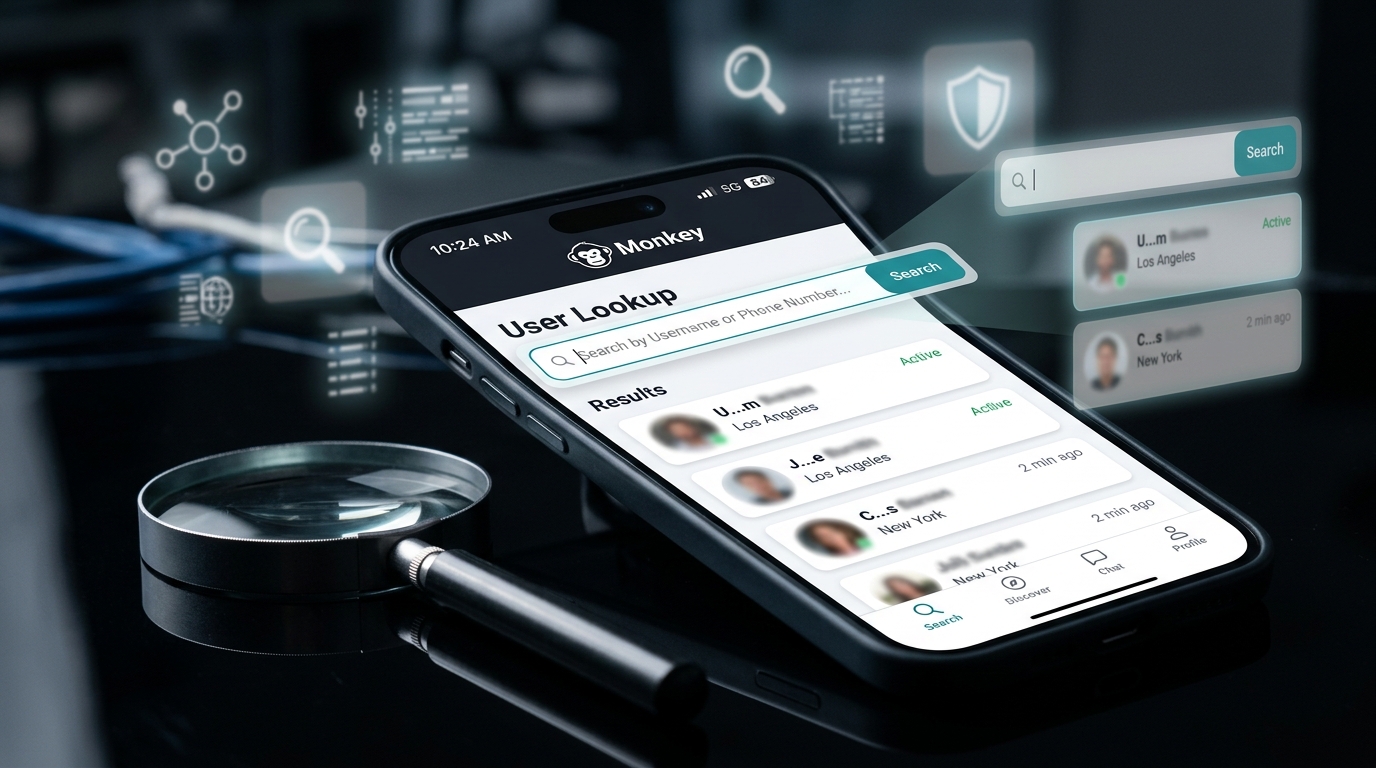
Use services like Social Catfish to confirm the legitimacy of profiles or communications. Always question unsolicited requests for sensitive information.
By practicing caution and skepticism, you block scammers’ attempts to exploit your data and maintain control over your online presence.
4. Limit Online Sharing
Think twice before sharing personal information online. Avoid posting your address, phone number, or birthdate on social media or forums. Adjust your privacy settings to restrict who can view your information.
Be mindful during online interactions and share only what is necessary. Protecting your digital life starts with minimizing exposure to sensitive details. This practice makes it harder for scammers to use your information maliciously.
5. Use Privacy-Focused Tools
Protect your online activities by using privacy-focused tools. Switch to browsers like Brave or search engines like DuckDuckGo, which block trackers and intrusive ads.
Encrypt your communication with secure messaging apps to maintain confidentiality. Incorporate these tools into your daily routine to reduce the data companies and scammers can collect about you. These tools empower you to browse safely and reclaim your digital privacy.
6. Secure Your Devices
Protect your devices by installing antivirus software to block malware and other threats. Update your operating systems and apps regularly to close security loopholes. Use a VPN whenever you connect to public Wi-Fi to encrypt your data and prevent unauthorized access.
Avoid downloading software from untrusted sources, as these can contain harmful programs. These steps ensure your devices stay protected and your personal information remains safe from hackers.
Recognizing Scam Red Flags
Spotting scams is as vital as protecting your data. Be alert if you notice:
- Requests for sensitive personal or financial information.
- Messages with urgent language urging immediate action.
- Unfamiliar login attempts or unauthorized financial transactions.
What to Do If Your Online Privacy is Compromised
If you suspect your privacy has been breached:
- Change Your Passwords: Secure all accounts immediately.
- Monitor Financial Statements: Watch for unauthorized transactions and report any discrepancies to your bank.
- Report the Incident: Use platforms like the FTC or local authorities to report scams.
- Invest in Protection Services: Tools like Social Catfish can help you identify and address privacy concerns.
The Bottom Line
Scammers are becoming more sophisticated, making it essential to understand the risks and take proactive steps to safeguard your personal information.
By using strong passwords, enabling two-factor authentication, limiting online sharing, and leveraging privacy-focused tools, you can significantly reduce your vulnerability to scams.
If you ever feel unsure about the authenticity of an online interaction or need help safeguarding your digital footprint, Social Catfish is here to assist.
From verifying profiles to offering expert resources on privacy protection, we’re committed to helping you navigate the online world safely and confidently.