
 Multiple Faces Detected


 January 2nd, 2025
It can be a hard task to prevent identity scams. However, there are guidelines that if properly followed can help people protect themselves from this kind of theft and fraud.
This strategy involves limiting the amount of information that fraudsters can find. The game is to play defense against scammers.
What Is Identity Theft and How Does It Happen?
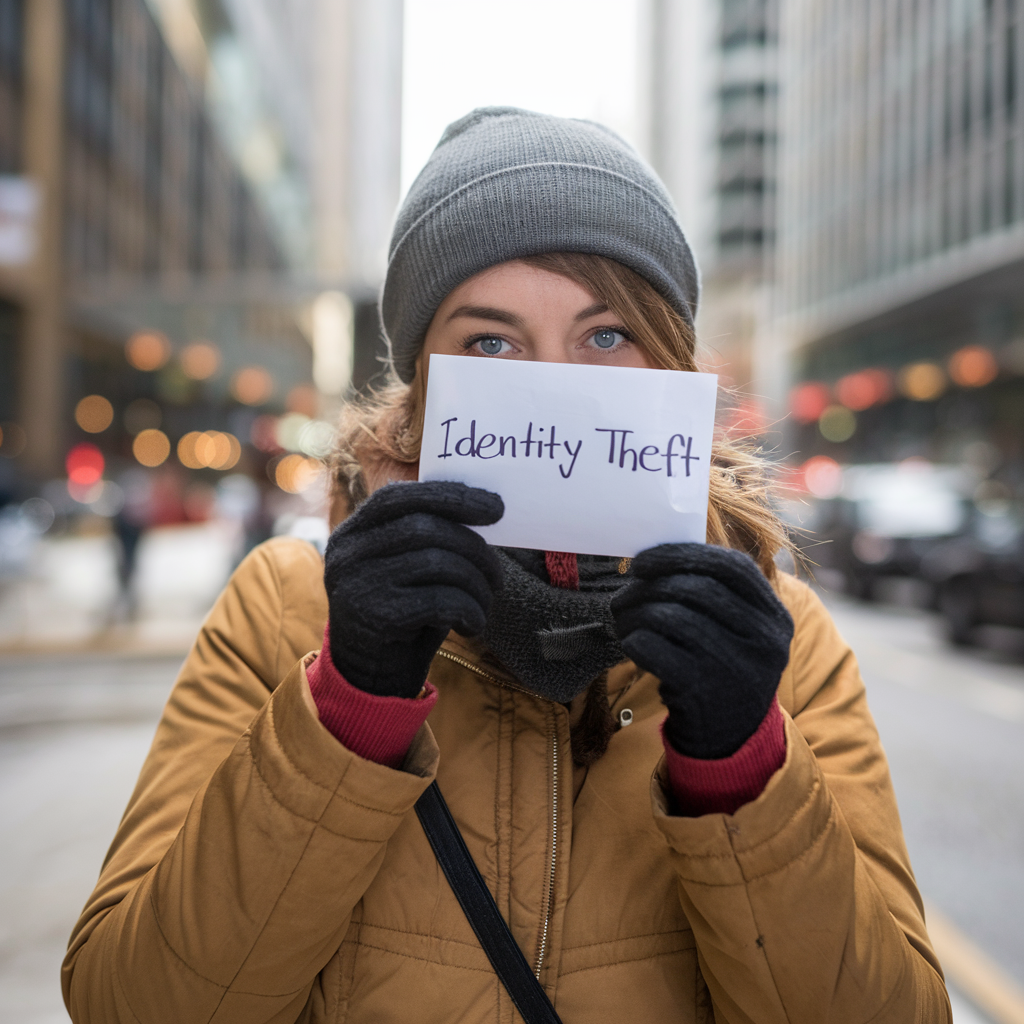
Identity theft is defined as the fraudulent act of using someone else’s personal information to solicit funds in terms of a credit or a loan. It happens when someone uses another person’s information without their consent.
The personal data can be in the form of credit card information, driver’s license, passport, bank account number, social security number, names, and pictures. Scammers then use them to gain financial benefits.
Identity thieves can also utilize this information to gain access to personal accounts or open new accounts without the owner’s permission. As a result, they can make unauthorized transactions and even commit crimes by stealing from other people.
For instance, research done by The Identity Theft Research Center (ITRC) Annual Data Breach Report, shows that 2023 had a record high number of data compromises in the U.S. ever recorded in a single year. A 72 percentage point increase over the previous all-time high number of compromises recorded in 2021. At least 353 million people were scammed as per the statistics.
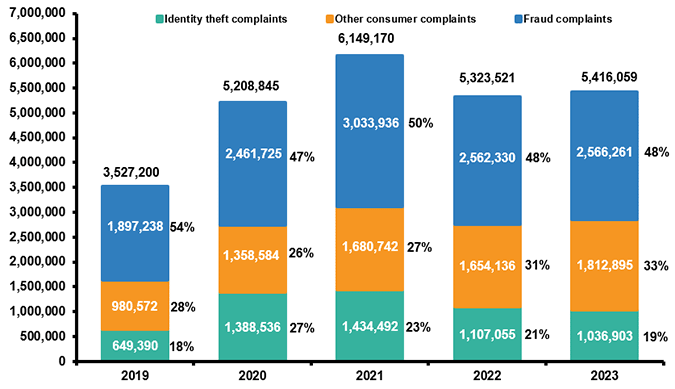
Source: Federal Trade Commission, Consumer Sentinel Network.
When these scammers steal information, they subject the victims to a wide range of drawbacks including wrongful arrests, incorrect data added to their records, and damaged credit scores.
Therefore, everyone needs to know how to protect themselves from identity scams by staying informed, reporting any suspicious incidents or breaches, and knowing how to freeze their accounts.
Common Types of Identity Scams
Phishing Scams
Phishing refers to a type of identity scam that targets victims by sending them emails that appear to be from a reliable source. For example, scammers can pretend to be a mortgage company, a bank, or a service provider. In the email, they ask the user to provide personal identification information.
They then use the information to infiltrate the user’s existing account or create a new account. Consumers should validate sent emails or avoid responding to these messages especially if they ask for financial or personal information.
Pro Tip: According to GreatHorn, 57% of firms experience phishing schemes on a weekly or daily basis. Approximately 1.2% of all emails sent are malicious, amounting to 3.4 billion phishing emails per day.
Credit Card Fraud

Credit card fraud is also another type of identity scam that involves stealing other people’s credit card information and personal identification number (PIN) to use for fraudulent purposes.
For instance, after getting the account holder’s details, scammers can use them to perform unauthorized transactions, compromising the security of the account.
Credit card fraud is a growing problem, with global losses expected to reach $43 billion by 2026. This issue affects companies across the board—from financial institutions and retailers to travel and hospitality—and, sadly, traditional fraud prevention approaches are unable to keep up.
There are various common tactics that card fraudsters use. Skimming is the most difficult to identify. It happens when scammers modify card reader hardware such as ATM or POS to hold a counterfeit reader within it.
As a result, the counterfeit card reader holds all information on a credit card such as the PIN used to conduct transactions. Another type is a card theft scam whereby a scammer robs a cardholder and tries to use the card or card information to buy goods and services.
Pro Tip: In 2024, 93% of fraudulent charges involved US credit cards that remained in the owner’s possession. In 2023, this sort of fraud, known as card-not-present (CNP) fraud, resulted in a loss of $174 million–TECHNOPEDIA
Additionally, there is application fraud which takes place when a scammer applies for a card using someone else’s personal information. This method of identity scam allows a fraudster to use the information to get a credit or debit card.
Similarly, fake call fraud is another type of credit card fraud whereby fraudsters call cardholders acting as employees of their banks. They then try to convince victims to provide their card information over the call.
Social Media Impersonation
Social media impersonation refers to a type of digital identity scam. Cybercriminals use this tactic by creating social media profiles on one or multiple platforms using other people’s personally identifiable information. These include pictures, names, background information, and even locations stolen from other people.
After creating the account, these scammers then go ahead to manipulate close friends and contacts of the victim to think the fake accounts belong to someone they know and trust.
The main intention of these identity scammers is to use other people’s authentic impressions to exploit those interacting with the fake account. They might ask them for money or information, or discredit and tarnish the reputation of the assumed account owner.
Pro Tip: According to the latest social media hacking statistics, 70% of Instagram and Facebook users were locked out of their accounts, with 71% having hackers impersonate them and contact their friends.
Victims of social media impersonation report tactics that rely on psychological manipulation. This type of identity scam intends to trick people into providing their confidential information or behaving in a way that discredits the victim’s good judgment.
While it targets individuals, there are also cases of impersonating organizations to perform illegal activities. While social media impersonation is severe, some people view it as a simple crime considering it is a widespread issue in the current society.
Warning Signs of Identity Theft
One advantage of identity scams is that they can easily be detected. This reason is because a person can receive notifications that pinpoint malicious activities. For instance, victims can:
- Receive credit cards or transactions that they did not authorize.
- Notice unauthorized costs charged to their credit card and bank statements.
- Receive calls from businesses and debt collectors about services they did not purchase.
- Notice irregularities in receiving bills or mail because the scammer stole billing address information.
- Receive loan rejection letters or bills from companies they have never interacted with.
- Notice falsified records of travel or relocation to a different area and work jurisdiction they have no connection with.
- Receive notice from revenue authorities about failing to record truthful income tax returns or that more than one tax returns were filed under their names.
How to Protect Yourself from Identity Scams
In the current digital world, most people have their accounts online. These accounts might be in the form of social media platforms, online banking, shopping addresses, or email among other virtual accounts. You need to make sure that these accounts are safe from identity scams using the following ways:
Secure Your Online Accounts
Using strong passwords can prevent scammers and hackers from accessing these accounts. Tactics that help to protect online accounts include using two-step verification where the user utilizes a code to access their accounts, and secure network browsing that makes it harder for scammers to monitor a potential victim’s browser.
Monitor Financial Statements Regularly
Another strategy to protect yourself against identity scams is to monitor your bank statements for suspicious activities. Any malicious activity in financial statements can help a person detect and avoid potential fraud before it proceeds to more severe levels.
Regularly checking your account numbers and transactions is a good tactic to consider. Technologies like system status monitors help to automatically monitor and send alerts about unusual activities in online banking systems.
Use Identity Verification Tools Like Social Catfish
Identity verification tools also help to protect yourself from identity scams. Tools like Social Catfish leverage advanced technologies like data analysis, document verification, and facial recognition. As a result, they help fight fraud and promote authenticity across the internet and social media platforms.
Best Tools to Safeguard Your Identity
Everyone needs to safeguard their online identity to prevent scammers from obtaining their information easily. The following tools can help online you to protect your personal information:
Identity Monitoring Services
Identity monitoring services are tools that provide real-time notifications to affected people if any activities are noticed regarding their personal information.
Individuals receive emails that prompt them to review their personal information and take relevant steps if the information is used falsely or for fraud. In addition, individuals can also report any inaccurate information linked to their identity.
Password Managers
Password managers refer to apps that create new and random passwords for every account you join. These apps also help to securely store password information in a virtual volt that has been specifically developed to curb cybercrime such as identity scams.
Reverse Image Search Tools
Reverse image search refers to a tool that uses images to trace if any similar copy exists on the internet. It peruses through publicly accessible websites where scammers are prone to stealing from. These tools such as Social Catfish and PimEyes can help locate and even delete any accounts with falsified personal information.
Final Thoughts
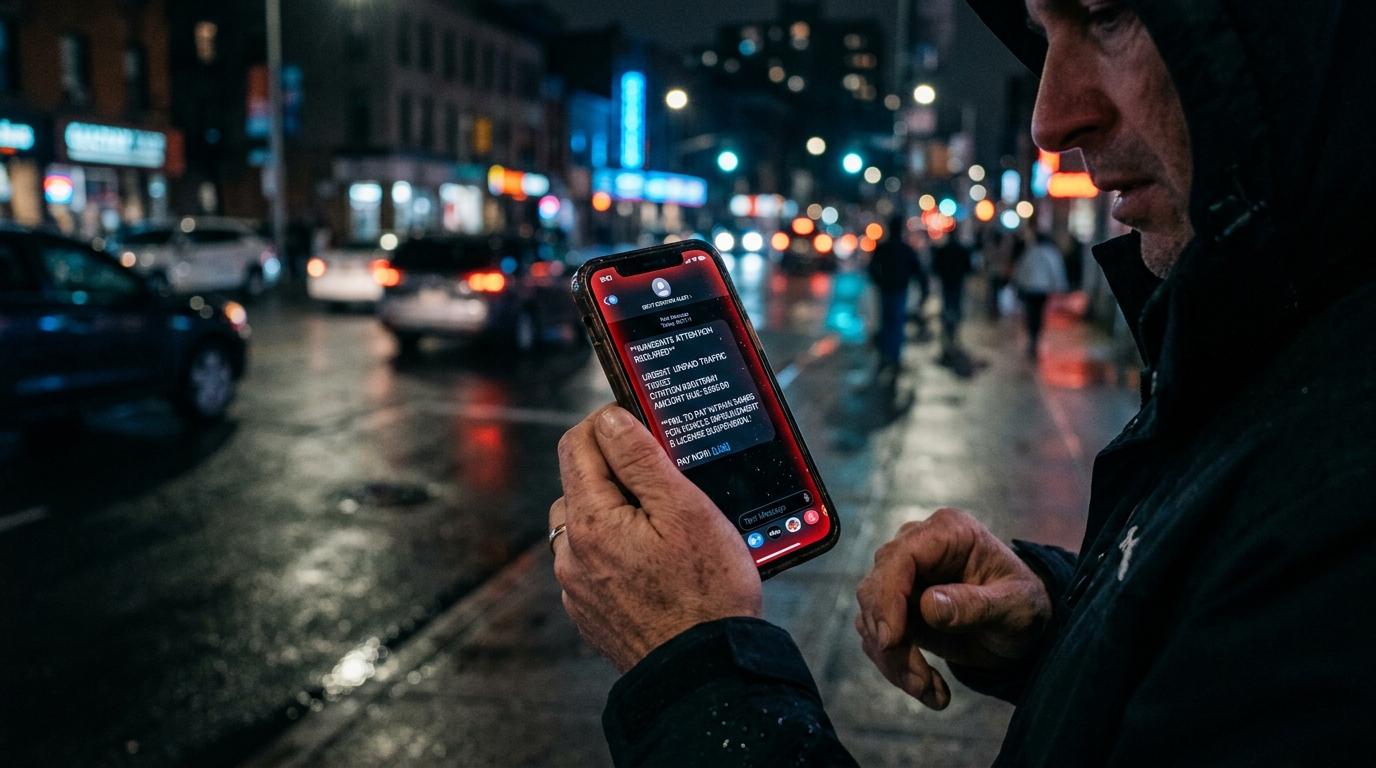
Identity scam is a serious issue that needs to be addressed. Fake parcel delivery SMS is the year’s fastest-growing fraud.
Consider this: would a legitimate delivery firm urge you to click a link and make a payment? Be skeptical of urgent messages, payments, or requests to download an app; they frequently include spyware.
Alternatively, it could be the first step for the thieves to contact you later to continue the scam in a different method.
Are you seeking offers on social media? Do you really know who you’re handing your financial information to when you click on a social media ad?
Ask your friends or relatives for a second opinion.
We also have a new scam on the block: AI voice cloning. AI voice cloning scams are a relatively new type of fraud in which scammers employ modern technology to duplicate another person’s voice. Quite convincing right?
If you receive a call that appears to be from a friend or family member requesting money or personal information, pause.
Hang up and call them back from a number you know is authentic. Remember, Not every number that appears on your caller ID is real—scammers can also spoof it!
To assist you in the fight against identity scams in the ever-changing world of scams, stay up to speed on the socialcatfish.com
Remember, If we don’t act now to safeguard our privacy, we could all become victims of identity scams.