
 Multiple Faces Detected


 April 10th, 2024
In an increasingly digital world, gift cards have become a popular and convenient choice for gifting, offering flexibility and choice for both the giver and the recipient. However, with the rise in popularity of gift cards, there has also been an uptick in fraudulent schemes targeting unsuspecting individuals. Gift card scams come in various forms, from fake promotions to phishing emails, posing a significant risk to consumers’ financial security and personal information. In this blog post, we will delve into the world of gift card scams, exposing common tactics used by fraudsters and providing practical tips on how to safeguard yourself from falling victim to these deceitful schemes.
Understanding Gift Card Scam Tactics: Deceptive Techniques and Strategies
Gift card scams are pervasive and constantly evolving, with fraudsters employing a variety of deceptive tactics to exploit unsuspecting victims. One common technique involves posing as legitimate businesses or organizations offering enticing deals or giveaways. These scammers often use phishing emails, fake websites, or social media promotions to lure individuals into providing personal information or purchasing fraudulent gift cards. By mimicking trusted brands and using persuasive messaging, they create a false sense of legitimacy, making it easier to deceive their targets.
Another prevalent tactic used in gift card scams is the manipulation of online marketplaces and classified ad platforms. Scammers may post fake listings for discounted gift cards or promise to sell high-value cards at a fraction of their retail price. Unsuspecting buyers are then tricked into sending payment without receiving the promised gift cards in return. In some cases, the scammers may even use stolen credit card information to purchase legitimate gift cards and then resell them for profit, leaving the original cardholders unaware of the fraudulent activity.
Furthermore, gift card scammers often exploit vulnerabilities in technology and payment systems to carry out their schemes. This includes hacking into e-commerce websites or payment processors to steal gift card codes or compromise customer accounts. Additionally, scammers may use automated bots to generate and test thousands of gift card numbers in search of valid ones. Once they obtain usable codes, they can quickly drain the funds from the compromised cards before the rightful owners have a chance to use them, leaving victims with worthless cards and financial losses.
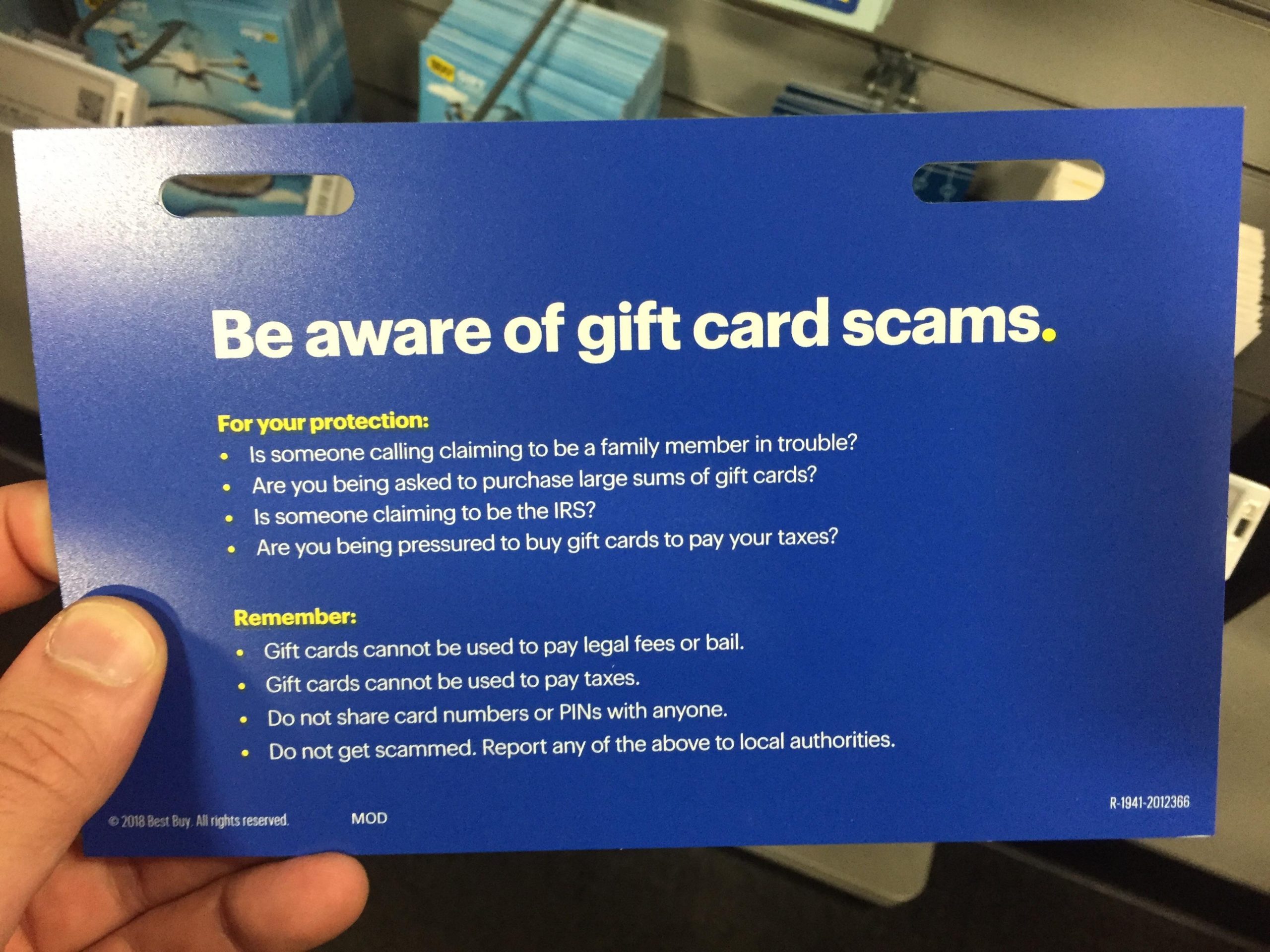
Moreover, gift card scams frequently target vulnerable populations, such as the elderly or individuals facing financial hardship. Scammers may employ emotional manipulation tactics, such as posing as a distressed family member in need of urgent assistance, to convince victims to purchase gift cards and provide the redemption codes. These schemes prey on people’s goodwill and desire to help others, making them particularly insidious. As such, it’s essential for individuals to remain vigilant and skeptical of any unsolicited requests for gift card purchases, especially if they involve urgent or unusual circumstances.
Spotting Red Flags: Key Indicators of Fraudulent Gift Card Offers
Spotting fraudulent gift card offers requires vigilance and attention to detail. Here are key indicators to watch out for:
- Unsolicited emails or messages: Be wary of unsolicited emails, texts, or social media messages promoting gift card deals or giveaways.
- Pressure to act quickly: Scammers often create a sense of urgency by insisting on immediate action to claim a gift card offer.
- Requests for personal information: Legitimate businesses will not ask for sensitive information like Social Security numbers or financial details in exchange for gift cards.
- Unrealistic discounts or offers: Beware of offers that seem too good to be true, such as steeply discounted gift cards or promises of freebies with no strings attached.
- Poor grammar or spelling: Scam communications often contain grammatical errors or spelling mistakes, indicating a lack of professionalism.
- Unverified sources: Verify the legitimacy of the offer by checking the official website or contacting the company directly through trusted channels.
- Unsecure payment methods: Avoid purchasing gift cards from sellers who require payment through unconventional or untraceable methods, such as wire transfers or cryptocurrency.
- No physical location or contact information: Legitimate businesses will have a physical address and contact information readily available. Avoid deals from sources that lack identifiable contact details.
Safeguarding Your Finances: Proactive Measures to Protect Against Gift Card Scams
Protecting your finances from gift card scams requires proactive measures and a keen awareness of potential risks. Here are some strategies to safeguard your financial well-being:
Firstly, always purchase gift cards from reputable retailers or directly from the issuing company. Avoid buying gift cards from third-party sellers, especially those offering significant discounts or deals that seem too good to be true. Stick to well-known retailers with established reputations to minimize the risk of purchasing counterfeit or compromised gift cards.
Secondly, carefully inspect gift cards before purchasing them. Check for any signs of tampering, such as scratched-off PINs or exposed activation codes. Avoid buying gift cards that appear to have been altered or manipulated in any way, as these could be compromised or already redeemed by scammers.
Thirdly, register your gift cards and keep track of their balances and transactions. Many retailers offer online account management tools that allow you to monitor your gift card activity. By registering your cards and regularly checking their balances, you can quickly detect any unauthorized transactions and report them to the issuer for investigation.
Lastly, be cautious when using gift cards for online purchases. Avoid sharing gift card information, such as the card number, PIN, or security code, with anyone you don’t trust. Only use gift cards on secure websites with encrypted payment processing to reduce the risk of unauthorized access to your card information. By following these proactive measures, you can minimize the likelihood of falling victim to gift card scams and protect your finances from potential losses.
What to Do If You’re Targeted: Reporting and Recovering from Gift Card Fraud
If you find yourself targeted by a gift card fraud scheme, it’s crucial to take immediate action to mitigate any potential damage and protect your finances. Here are steps you can take to report the fraud and work towards recovering any losses:
Firstly, report the fraudulent activity to the issuer of the gift card as soon as possible. Contact their customer service department either by phone or through their website and provide them with details of the fraudulent transaction. Be prepared to provide information such as the card number, purchase date, and any other relevant details to assist with the investigation.
Next, file a report with the Federal Trade Commission (FTC) and your local law enforcement agency. The FTC collects reports of fraud and shares them with law enforcement agencies to help track down and prosecute scammers. Additionally, filing a police report can provide you with documentation of the fraud, which may be necessary for recovering any lost funds or disputing unauthorized charges.
If you purchased the gift card with a credit or debit card, contact your card issuer to report the fraudulent transaction and dispute the charge. Many credit card companies offer fraud protection programs that can help you recover lost funds and prevent further unauthorized charges.
Finally, take steps to protect yourself from future fraud by reviewing your financial accounts regularly for any suspicious activity. Monitor your credit report for any unauthorized inquiries or accounts opened in your name, and consider placing a fraud alert or security freeze on your credit file to prevent identity theft. By taking prompt action and following these steps, you can minimize the impact of gift card fraud and work towards recovering any losses incurred.