

 Multiple Faces Detected



 October 24th, 2025
It can be difficult to know whether you’re talking to an online scammer or a genuine person. One of the most obvious signs that someone might be a scammer is if they list off some type of sob story or send requests for your phone number or money. This is especially common in romance scams involving individuals who claim to work overseas, often using fake oil rig scammer pictures male or well-known male oil rig scammer names to build credibility.
Additionally, if they are sending you pictures that they claim belong to them but can’t produce proof, this could also be a sign that they are not being honest with you. A good way to avoid falling victim to an internet scammer is to pay close attention to the warning signs and stay aware of your surroundings when having conversations online. Verifying images and researching any suspicious claims can go a long way in protecting yourself.
Have you met someone on a dating app, or they contacted you on social media, and before you knew it, you found yourself in a deep conversation with them? This is a very common experience. In fact, it is one of the most common experiences on the internet. You may find yourself wondering if it’s really even them in the oil rig photos they’ve sent you…
Well, in this article, we’ll break down what oil rig scams are and how to spot oil rig scam photos. So let’s dive in.
The Problem With Oil Rig Engineer Photos
When it comes to meeting people online, there is a general rule of thumb that you should be aware of. If you meet someone who claims to be an oil rig engineer, you should become incredibly skeptical. This is because it is one of the most common personas romance scammers adopt. There are two main reasons for this. First, it gives them a built-in excuse for everything. They will use it to explain why they can’t video chat, why they can’t meet in person, and just about anything else that comes up. The second reason, it gives them a perfect excuse for why they need you to send them money (which is their reason for talking to you). For this reason, anyone who claims to be an oil rig worker should be looked at with skepticism. But, of course, there are real oil rig engineers in the world. So there are other signs you should look for to tell for sure whether or not the person you’re talking to is actually a scammer.

Male Oil Rig Worker Pictures
Romance scammers are notorious for stealing people’s images to scam online. There are a few male oil rig workers that scammers tend to use in their scams.
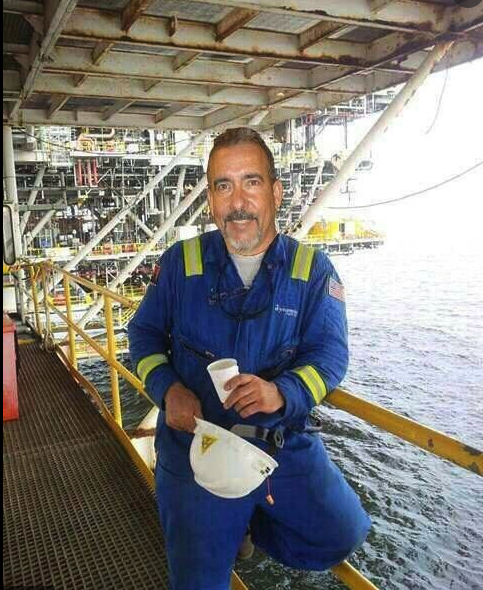
This is one of the most common male oil rig scam Photos In existence. This image is commonly photoshopped and sent to people to convince the person they are talking to that they are actually on an oil rig in the middle of the ocean. This photo is typically used by oil rig scammers right before they invent a story about a part breaking on the rig, they then ask for tens of thousands of dollars in payment for a broken oil rig part. (Click here to read a victims story) These fraudulent payments often range in hundreds of or thousands of dollars.

Oil Rig Engineer Scam Photos
Scammers often take a single photo, like the one of the so-called “oil rig engineer,” and manipulate it in countless ways to deceive victims. They might Photoshop the face onto different backgrounds, change certain features, or even add different elements to make the image seem unique. The goal is to make the altered image appear genuine to someone unfamiliar with the original. In the example above, we can clearly see that the man’s face has been poorly pasted onto the photo, making it obvious that the image is fake. However, many people especially those who have never seen the original photo, might not notice these red flags. This is particularly true for victims who are unaware of specific scams, like the oil rig scam, where fraudsters often claim to be engineers stuck in remote locations. Because many people haven’t heard of these scams, they’re more likely to believe the story behind the manipulated image, making them vulnerable to emotional and financial exploitation.
How to Spot an Oil Rig Scam Photo
Understanding the Quality of Photoshopped Images in Oil Rig Scams
When dealing with oil rig scams, the quality of the photoshopped images can vary significantly. Some images are so well-edited that they are difficult to distinguish from genuine photos. In other instances, the flaws are apparent, signaling that something is “off.” It’s crucial to recognize that these discrepancies are often more obvious to outsiders than to the victims themselves, who may be emotionally invested in the scam.
Psychological Manipulation Techniques Used by Scammers
Romance scammers typically use a range of psychological tactics designed to manipulate their victims’ emotions effectively. These techniques include love bombing, which involves overwhelming someone with affectionate words and gestures; guilt trips; gaslighting, where the scammer makes the victim question their own reality; accusations; blame-shifting; and periods of temporary neglect. These strategies are employed to create a fog of emotional confusion, making the victim more susceptible to manipulation.
Red Flags in Communication and Requests for Favors
By the time an oil rig scammer requests the first “favor,” they have likely already conditioned the victim’s mind using the aforementioned tactics. This “favor” often involves sending money or sharing personal information, which should serve as a major red flag. Victims may find themselves dismissing these signs due to their emotional entanglement with the scammer.
How to Protect Yourself from Oil Rig Scam Photos
- Verify Image Authenticity: Use reverse image search tools to check if the photos being sent are used elsewhere on the internet.
- Consult with Friends: Share your experiences with friends or family members who may have a more objective view of the situation.
- Seek Professional Advice: If you suspect you are being scammed, consider reaching out to professionals or support groups who can provide guidance and support.
By understanding these signs and knowing how to respond, you can better protect yourself from falling victim to oil rig scams.
How an Oil Rig Scammer Used the Foot-in-the-Door Phenomenon
Oil rig scammers are experts at manipulation, often using sophisticated psychological techniques to trap their victims. One of the most common and powerful methods is the Foot-in-the-Door phenomenon.
This tactic works by getting you to say “yes” to a small, seemingly harmless request first. Once you’ve agreed to the small thing, you are much more likely to agree to bigger requests later on.
The Scam’s Gradual Escalation
- The Small Request: The scammer first establishes a friendly, seemingly harmless relationship. They might request a modest amount of money to cover a “minor, unexpected expense” related to their supposed work on the rig—a small favor that doesn’t trigger suspicion.
- Building Trust and Investment: These initial requests are designed to build rapport and emotional investment. Because the victim has already complied and spent money, their sense of commitment to the relationship and the scammer’s “story” grows.
- The Trap Closes: The requests then become much larger and more urgent, such as needing substantial funds for a fabricated emergency or to pay for a “required flight home.” By this point, the victim is already invested, making it emotionally and financially harder for them to refuse the escalating, final demands.
This gradual method exploits your sense of consistency, slowly but surely trapping you deeper into the scam.
How to Tell if The Person You’re Talking to Is An Oil RIg Scammer
When it comes to spotting Oil Rig Scams, it is important to be able to spot a catfish scammer. Catfish scammers can create stories that capture your imagination and get you to buy their lies. Here are some of the most common signs that the person you’re talking to is a catfish.
1.) It is difficult to get them to video chat: When it comes to oil rig scammers, getting them to video call is always difficult. This is because if you were able to video chat them, you would see that they aren’t really who they claim to be. But, this doesn’t mean they will never video chat with you. Oil rig scammers have tricks to fake video calls. If a video call is grainy and low quality, there is a large chance that the video call has been altered. (If you are confused about a video call you had, click here)
2.) They always flake: One of the tactics scammers use is promising you that they’re on their way to see you and never show up. Instead, they disappear and come back within a few days claiming that an emergency happened. They then tell you that you have to pay a large amount of money to fix the situation, and after you send the money, they’ll really be on their way to see you. Talking to a romance scammer is an endless cycle of this same pattern. Promise, emergency, payment, and then another promise followed by an expensive emergency. This is the basic tactic of a romance scammer.
3.) Run a reverse image search: A reverse image search is the most effective way of spotting an oil rig scammer. A reverse image search is a way of telling whether or not someone is stealing images to craft a fake online identity. No matter what, we always recommend doing a reverse image search on someone you’ve never met in person, even if you’ve video chatted with them in the past. Running a reverse image search is simple, all you need to do is upload a photo of the person into the search bar below and hit enter to find out if they really are who they claim to be. Use the search bar below to run your first search today.
FAQ
1. Is there a master list of specific “male oil rig scammer names”? No. Scammers use fake names and aliases that change constantly, making a definitive list useless. However, they favor common, trustworthy-sounding names like “Robert,” “David William,” “Scott Thomas,” or “Mark Sinclair.” Focus on red flags over specific male oil rig scammer names.
2. Where do “oil rig scammer photos” and “oil rig romance scammer photos” come from? The photos are usually stolen from the public social media profiles of real, often attractive, professionals (like doctors, military members, or TV personalities) who have no knowledge their images are being used. They might also use photos of real oil rig workers to seem authentic.
3. What are the major red flags for an “oil rig romance scammer” on Instagram or other platforms? If a supposed oil rig worker on Instagram (or any site) is:
- Too Handsome/Perfect (often using stolen photos).
- Professes Love Quickly (“soulmate” within weeks).
- Cannot Video Chat (always citing “safety/satellite issues”).
- Suddenly Needs Money for a fabricated emergency (e.g., equipment repair, medical bills, or travel funds).
4. How can I verify if a photo or name is real before falling for a romance scam? You should use a reliable reverse image search tool, such as Social Catfish’s Reverse Image Search. If the image is a common oil rig scammer photo, it will often appear linked to multiple profiles with different names and locations, immediately exposing the fraud.
5. Are “male oil rig scammer names Instagram” or other social media usernames ever consistent? Sometimes. While the name changes, the scammers often reuse the same photos or subtle details. If you have an email or phone number, using a people-search service like Social Catfish can help uncover whether that contact information is linked to known scams or multiple fake social media/dating profiles.
Why Male Scammer Pictures are so Important to Identifying Oil Rig Scams
Male scammer pictures can be important in identifying oil rig scams because scammers often use fake male profiles when targeting potential victims. Oil rig scams typically involve a supposed male oil rig worker who claims to be in a difficult financial situation and in need of money. The scammer may send pictures of a man in work clothes or uniforms to create the impression that they are a legitimate oil rig worker. However, these pictures are often stolen from social media or other sources and are not actually of the person the scammer claims to be. By being able to identify male scammer pictures, potential victims may be able to recognize these scams and avoid falling for them.
To learn more about this scam, click here.