
 Multiple Faces Detected



 May 10th, 2021
In 2020, victims of Social Security scams lost $45 million. While this kind of scam is nothing new, many people still get victimized. That is why you should know how to detect a Social Security scam, how to report the scam, and how you can avoid it.
Keep reading as we share with you all these details to help protect yourself and your money from these scammers.
Common Social Security Scams

In the US, about 65 million people are receiving benefits from Social Security. This figure is what urges scammers to use the name of the program to fool people and get money via letters, emails, and texts. They pretend to be someone working for the Social Security Administration (SSA), attempt to get your Social Security number and steal your personal information. Here are the most common tactics that Social Security scam artists use:
Threatening Phone Call
According to the Federal Trade Commission, fake phone calls related to Social Security benefits are increasing. Scammers will claim to be from the SSA and make you believe that there’s a problem with your benefits or your Social Security number. Then, they say you’ll face legal action or be arrested because of the illegal activity with your Social Security account.
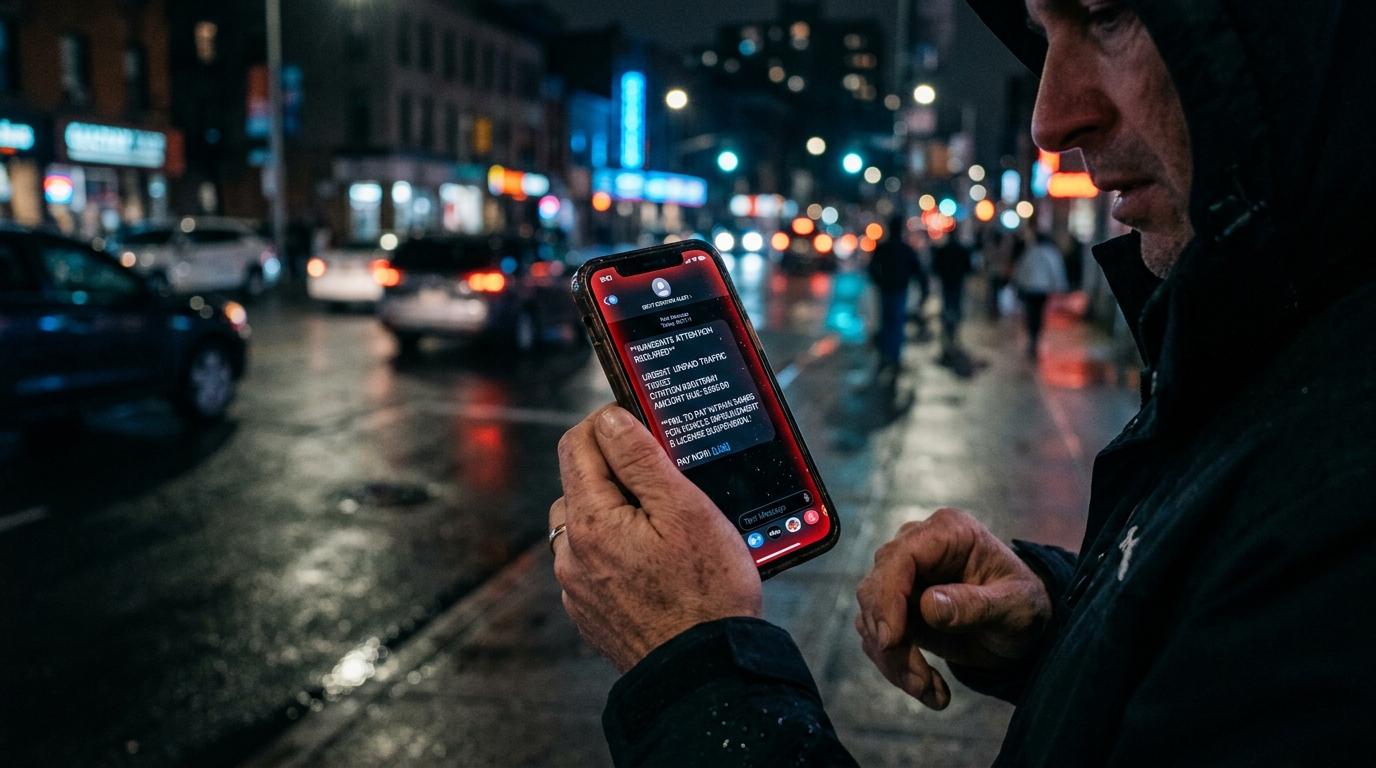
Others send these threatening messages via text. While the SSA does call in special cases, the agency will not threaten you with arrest or legal action if you do not give them information or pay a fine.

Service Phone Call
Some scammers will call you and offer services that the agency provides for free. For instance, they might tell you to get a new Social Security card. They may also convince you to enroll another family member in the program. Others will ask for your contribution records together with your total future income.
Fake Email
Social Security scams also involve fake emails. They will imitate letters from the agency using the same font styles and even the SSA’s seal. Note that these fake emails may take you to a web page that also copies the official website of the SSA. These scammers will then attempt to get your personal information. Remember that the SSA does not ask for personal information and does not use threatening language, whether via phone, email, or text.
How To Detect Social Security Scams

Social Security scams include the following warning signs:
- You receive unsolicited phone calls from individuals claiming to work for the SSA. Remember that the agency will not call you, except in cases where you’ve had previous contact with them.
- You’re requested to provide your Social Security number. This is something that a real SSA employee would not ask you to do.
- You receive calls, emails, or texts threatening you for an arrest or loss of benefits if you do not immediately settle a fine or share your personal information.
- You can see grammatical mistakes and misspellings in the emails or letters that try to copy those of the SSA.
- You receive payment requests by wire transfer, prepaid card, or even cash. Note that scam artists use these methods as they are hard to trace.
How To Avoid Social Security Scams

To avoid Social Security scams, make sure to do the following:
- Hang up if you receive unsolicited calls from people claiming to be from the SSA.
- Never give your Social Security number and other personal information to people who contact you via call, text, or email.
- Do not click links provided in fake SSA emails. Hover over the link to see the real destination address. You must see a “.gov/” at the end. If you observe anything between .gov and the slash, then it should be a scam.
- Install a robocall-blocking app on your phone.
- If you have an online Social Security account, change your password regularly to prevent possible hacking problems.
- Do not immediately assume that a call is legitimate if it comes from 800-772-1213. Note that scammers apply spoofing techniques in order to trick caller ID.
How To Report Social Security Scams

If you’ve received calls from suspicious individuals or you think you’ve been a victim of any of these Social Security scams, immediately send a report to SSA’s Office of the Inspector General (OIG). You can also file a complaint on the Federal Trade Commission (FTC) website. Provide as many details as you can regarding the scam, including the telephone number, email, website, name, time of call, and other relevant information.
Social Catfish is Here to Help You!
Social Security scams continue to rise, with more and more people losing their money. To protect yourself from these scammers, follow the steps we’ve shared above. To confirm the identity of possible scam artists, perform a reverse search at Social Catfish.