
 Multiple Faces Detected



 January 11th, 2021
Congratulations, you have won this contest that you’ve never even heard of! Click the link now to claim your prize!
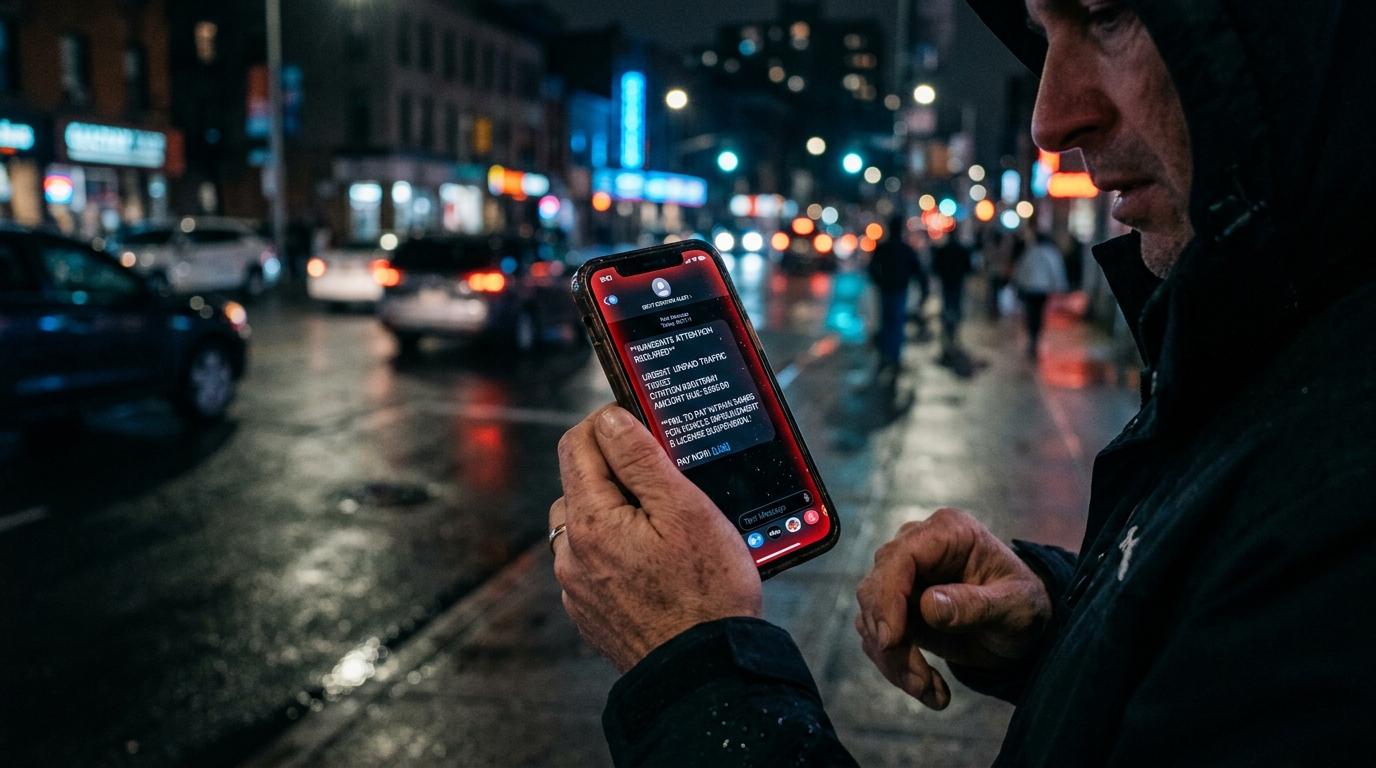
Does this exclamation look familiar? You’ve probably either heard it over the phone, seen it on your social media messages, received a text message, or seen an email in your inbox claiming that you are somehow one of the lucky ones that won a prize or sweepstakes that you’ve never even heard of. Before jumping off of your chair excited and providing your information to claim your prize, realize that what you just read is probably a scam. Scammers will use lottery scams to steal your information and drain your bank account.
What are Lottery Scams and How Do They Work?

A lottery scam is when a scammer will pretend like you’ve won a contest or sweepstakes in order to trick you into providing them with your personal information or your finances. Basically, you will receive a message, phishing email, or a phone call claiming that you won this contest or sweepstakes that you’ve never even heard of, and the scammer will give you “instructions” to receive this prize.
Usually, the prize or sweepstakes is too good to pass up so a lot of people fall for this scam as soon as it hits their inbox. The scammer will ask to provide them with their personal information, and the victim complies wanting to get their hands on the prize or sweepstakes.
Then, the scammer will tell them that there is a small shipping fee that the victim needs to pay in order to get their hands on the prize they won. The victim pays the scammer money, and the scammer blocks them, stealing their identity and their money in the process.
How to Avoid Lottery Scams

- Don’t claim a prize or sweepstakes unless you personally entered it through a trusted business.
- Don’t pay a fee of any sort to claim your prize or sweepstakes. If someone is claiming that it’s the only way to win that prize or sweepstakes, it’s most likely a scam.
- Don’t answer the phone if you don’t recognize the phone number. If it’s the area code starts with 190, then it’s most likely a premium rate phone number that will charge you expensive rates based on how long the call is.
- If you see that a phone number is coming from a trusted business, it can still be a fishy call. Scammers can mask Caller ID’s to make their call look like it’s from a business, but it’s not. Call the business back with their official phone number and clarify that they were trying to contact you.
- Research the sweepstake or prize that the message, email, or phone call is claiming that you won.
- Don’t send your personal or financial information to anyone claiming that they are running a contest or sweepstakes.
- If you were a victim of a lottery scam, you can report it to the FTC.
Social Catfish is Here to Help You!
At Social Catfish, we want to help you verify the identities of those who might seem suspicious to you. If you have their name, email address, phone number, social media username, or image, you can reverse search and see who the suspected person was that you’ve been in contact with if you think you’ve been a victim of lottery scams.