
 Multiple Faces Detected


 July 1st, 2026
Gift card fraud cost US consumers $212 million in 2026. Apple gift cards are the single most requested payment method in scams involving government impersonation, tech support fraud, and romance scams. If someone is pressuring you to buy Apple gift cards and share the codes, this guide explains exactly why scammers want them, what they do with them, and how to protect yourself before it is too late. If something feels off about a contact requesting gift cards, run their name, phone number, or photo through Social Catfish before sending anything.
Name Search Examples
To get more accurate results, enter the full name including at least First name, Middle name and Last name.
Email Search Examples
Phone Search Examples
Username Search Examples
Address Search Examples
Start typing the initial part of the address and select from the addresses given dropdown afterward.
We Respect Your Privacy.
Why Do Scammers Want Apple Gift Cards?
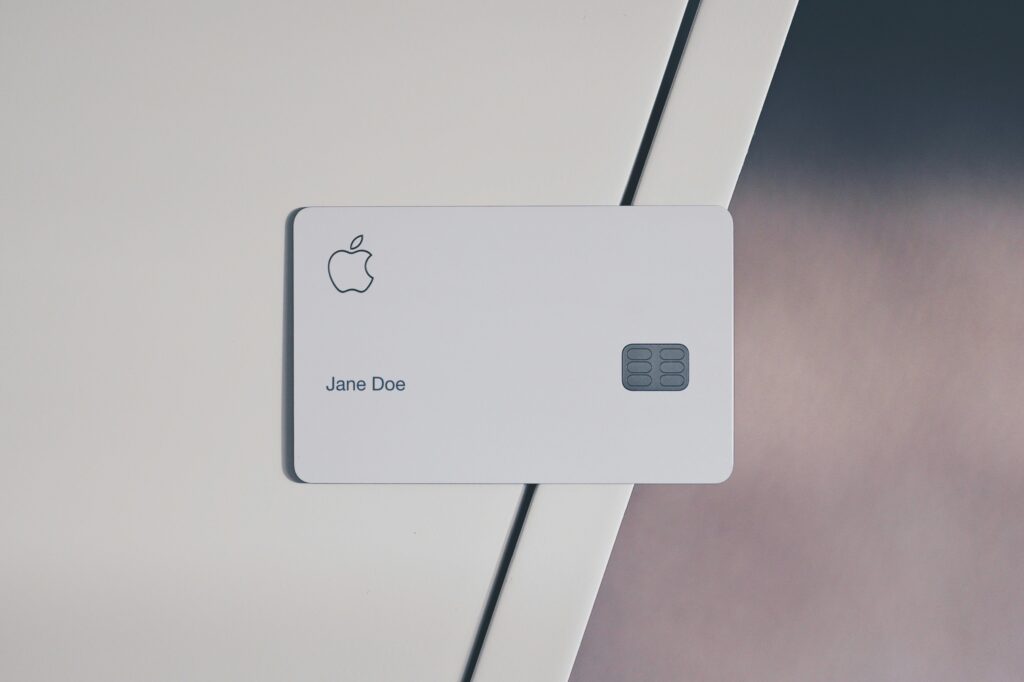
Apple gift cards have four specific properties that make them the preferred payment method for fraud operations worldwide.
They are untraceable.
Once a gift card code is redeemed, the transaction cannot be reversed, disputed, or traced back to the recipient the way a bank transfer or credit card payment can. There is no equivalent of a chargeback for gift card transactions. The money is gone the moment the code is entered.
They are instantly redeemable.
A scammer with a 16-digit Apple gift card code can redeem it within seconds from anywhere in the world. There is no waiting period, no verification of identity, and no delay between receiving the code and accessing the value. Speed is critical for scammers who know their victims may realize what is happening and try to stop the transaction.
Apple’s brand generates compliance.
Apple is one of the most trusted consumer brands globally. When a scammer instructs a victim to buy Apple gift cards specifically, the brand familiarity reduces resistance. Buying something at an Apple Store or a major retailer feels more legitimate than a wire transfer to an unknown account or a cryptocurrency payment to a wallet address.
They convert easily to cash.
Apple gift card codes have a thriving secondary market. Scammers convert them to cryptocurrency, sell them on secondary platforms, or use them to purchase and resell digital goods immediately. The conversion from gift card code to untraceable value takes minutes.
These four properties together explain why Apple gift cards appear in more fraud cases than any other gift card brand. The FBI and FTC have both documented Apple gift cards as the single most requested payment method in gift card fraud schemes.
Why Do Scammers Ask for Apple Gift Cards Specifically?
Scammers could request Visa prepaid cards, Google Play cards, or any other gift card format. They choose Apple specifically for reasons beyond the four listed above.
Universal acceptance in the Apple ecosystem.
Apple gift cards work across the App Store, iTunes, iCloud storage, Apple TV Plus, and Apple hardware purchases. This breadth of redemption options makes them more liquid than retailer-specific cards and gives scammers more flexibility in converting value.
Retail availability drives compliance.
Apple gift cards are available at virtually every major US retailer including Walmart, Target, CVS, Walgreens, and Best Buy. When a scammer instructs a victim to go buy cards immediately, the victim can comply within minutes from wherever they are. Visa gift cards require specific aisles. Apple gift cards are everywhere.
Codes can be shared remotely.
The gift card value is entirely contained in the 16-digit code printed on the back. A victim can scratch off the foil, read the number over the phone, photograph it, or type it into a message. The scammer never needs to physically receive anything. This remote redeemability is why phone scammers specifically request gift cards rather than any other payment method.
Secondary market demand is high.
Apple gift cards have consistently high demand on secondary markets, including legitimate resale platforms and underground exchanges. Scammers who receive codes can sell them within hours at 70 to 90 cents on the dollar, converting untraceable gift card value into cash or cryptocurrency with minimal friction.
What Do Scammers Do with Apple Gift Cards?
Understanding what happens to the cards after you hand over the codes helps explain why recovery is nearly impossible once a code is shared.
Immediate redemption:
The fastest and most common use. The scammer redeems the code directly into an Apple ID they control within seconds of receiving it, converting the gift card balance into App Store credit, Apple Cash, or digital goods they can resell.
Code resale on secondary markets:
Scammers sell unredeemed or partially redeemed codes on secondary market platforms and underground exchanges at a discount. This converts gift card value into cash while keeping the transaction untraceable. High-volume fraud operations often have dedicated resale pipelines that process codes continuously.
Dark web conversion:
Gift card codes are a recognized currency on dark web marketplaces. Scammers trade Apple gift card codes for cryptocurrency, other gift card denominations, or other goods and services within these ecosystems, further distancing the proceeds from any traceable origin.
Purchasing and reselling digital goods:
Apps, in-app purchases, subscriptions, and digital content purchased with Apple gift card codes can be resold in digital goods markets. This creates an additional conversion layer between the original code and any recoverable cash value.
Once the code has been shared, recovery is functionally impossible in the vast majority of cases. Apple cannot reverse gift card redemptions after the fact. Your bank cannot file a chargeback for a gift card purchase because the gift card itself was a legitimate purchase; what was fraudulent was the reason you were told to buy it.
iTunes Gift Card Scams Online Dating: The Romance Scam Connection
The Apple gift card request is one of the most consistent patterns in romance scams. It appears across dating apps, social media, WhatsApp, and wrong-number text relationships.
Here is how it typically unfolds:
The relationship builds over weeks or months. The scammer invests time establishing trust and emotional connection. Photos are shared and stolen from someone else’s profile.
A crisis appears. Once trust is established, an emergency materializes. Medical bills, a business deal gone wrong, military deployment complications, customs fees on a package.
The gift card request follows a script. The scammer does not ask for a bank transfer first, which raises too many flags. Instead: “Can you buy a $100 Apple gift card and send me the code? I will pay you back as soon as I get home.”
The amounts escalate. After the first card works, the crisis deepens. More cards are needed. The emotional investment already made makes it harder to stop.
Are Apple gift cards common in romance scams? Yes. The FTC consistently ranks gift cards as the top payment method in romance fraud year over year because of how accessible they are and how fast the money disappears.
If someone you met online is asking you for Apple gift cards, stop before sending anything. Run their name, profile photo, phone number, or email through Social Catfish. One search returns every social media account, online profile, and identity connected to that person, confirming whether they are who they claim to be and whether their photos are stolen from someone else.
Run a free search on Social Catfish
Name Search Examples
To get more accurate results, enter the full name including at least First name, Middle name and Last name.
Email Search Examples
Phone Search Examples
Username Search Examples
Address Search Examples
Start typing the initial part of the address and select from the addresses given dropdown afterward.
We Respect Your Privacy.
Apple Gift Card Scams: Common Scenarios
Beyond romance scams, gift card requests appear across a consistent set of fraud scenarios.
Government impersonation:
A caller claims to be from the IRS, Social Security Administration, or a local law enforcement agency. They say you owe back taxes, have a warrant out for your arrest, or that your Social Security number has been compromised. To resolve the situation immediately and avoid arrest or penalty, you need to pay using Apple gift cards. No government agency ever requests gift card payment. This is the clearest possible scam signal.
Tech support scams:
A pop-up on your computer claims your device is infected. A phone number to call appears on screen. The tech support agent tells you the repair requires a fee paid in Apple gift cards. Microsoft, Apple, and no legitimate technology company requests gift card payment for any service.
Utility company impersonation:
A caller claims your electricity, gas, or water is about to be shut off for non-payment. To prevent service interruption you must pay immediately using Apple gift cards. Utility companies accept credit cards, checks, and bank transfers. None of them accept gift cards.
Online marketplace scams:
A buyer on Facebook Marketplace, Craigslist, or OfferUp overpays with a check and asks you to buy gift cards with the difference. The check later bounces. The gift cards are gone.
Are Apple Gift Cards Common in Romance Scams?
Yes. Apple gift cards and iTunes gift cards are among the most documented payment methods in romance fraud cases.
The FTC has consistently reported gift cards as the top payment method in romance scams, with Apple gift cards appearing as the single most requested brand in multiple years of fraud reporting. Romance scam losses in the United States exceeded $1.14 billion in 2023, and gift card payment requests appear in a significant proportion of those cases.
The combination of emotional manipulation and gift card payment is deliberate. Gift cards are requested specifically because they are irreversible and untraceable. Romance scammers who request bank transfers risk the transfer being recalled. Gift card codes cannot be recalled after they are shared.
How to Protect Yourself from Apple Gift Card Scams
The universal rule:
No legitimate organization, government agency, or genuine person in your life asks for payment in Apple gift cards. This rule has no exceptions. If anyone asks you to pay in gift cards for any reason, it is a scam regardless of how convincing the story sounds.
Specific protective steps:
- Hang up immediately on any caller who requests gift card payment. Do not engage, do not explain, do not try to negotiate. Hang up.
- Do not buy gift cards based on a request from someone you have not met in person, regardless of how long you have been communicating online.
- If you receive a pop-up claiming your computer is infected with a phone number to call, close your browser. Do not call the number.
- If an online romantic connection asks for gift cards, end all communication immediately and report the profile on the platform where you met them.
- If you are uncertain whether a request is legitimate, call the relevant organization directly using a number from their official website, not a number provided by the caller.
Verifying suspicious contacts before acting:
If someone is pressuring you for gift cards and you want to verify their identity before making any decision, enter their phone number, email address, username, or any photo they have shared into Social Catfish. The reverse search returns every account connected to those contact details across social media, dating apps, and public records. A legitimate person’s identity is consistent across platforms. A scammer’s fabricated identity reveals itself immediately when the contact details are cross-referenced against a broader identity database.
FAQ
Because they are untraceable, instantly redeemable, available everywhere, and have almost no recovery path once the code is shared. Gift card fraud cost US consumers $212 million in 2026.
Yes, always. No legitimate government agency, company, or financial institution ever requests payment via Apple gift cards under any circumstances.
They redeem them immediately to throwaway Apple IDs and convert the balance through digital goods resale, cryptocurrency platforms, or organized cash-out networks, typically within minutes.
Yes. Gift cards are the top payment method in romance fraud year over year, according to the FTC. If someone you met online is asking for Apple gift cards, run their identity through Social Catfish before sending anything.
Call the organization they claim to represent using a number you find on their official website. For personal contacts, run their name, photo, phone number, or email through Social Catfish to confirm whether they are who they claim to be before sending anything.
Conclusion
Apple gift cards are the currency of choice for fraud operations because they are fast, irreversible, and untraceable. The request appears across every major scam category and is most emotionally damaging in romance scam contexts where the payment is framed as helping someone the victim genuinely cares about.
The protective rule is simple and absolute: no legitimate person or organization asks for Apple gift cards as payment. That rule applies without exception to government agencies, tech support teams, utility companies, romantic connections you have never met in person, and every other scenario where a gift card request has appeared.
If you want to verify the identity of someone who has made this request before making any decision, Social Catfish’s reverse search gives you the full identity picture behind any contact detail in minutes. That verification step costs nothing relative to what a gift card scam costs if you skip it.
Name Search Examples
To get more accurate results, enter the full name including at least First name, Middle name and Last name.
Email Search Examples
Phone Search Examples
Username Search Examples
Address Search Examples
Start typing the initial part of the address and select from the addresses given dropdown afterward.
We Respect Your Privacy.