
 Multiple Faces Detected



 July 27th, 2025
Freelancing has unlocked new career paths, enabling millions of professionals to work from anywhere, on their terms. Platforms like Upwork have made it easier than ever to connect with clients across the globe. But with freedom comes vulnerability, and unfortunately, freelance platforms are not immune to scammers.
Upwork does its best to safeguard users with dispute mediation, client verification, and secure payment systems. Still, scam jobs continue to slip through the cracks. As a freelancer, it’s up to you to stay alert and protect your earnings, time, and reputation.
In this guide, we’ll break down the most common Upwork scams, reveal red flags that every freelancer should know, and explain how Social Catfish can help you verify whether a potential client is real, or just a con artist hiding behind a job post.
Why Are Scammers on Upwork?

While Upwork offers protections and user verification, it also attracts scammers for several reasons:
- Global Accessibility: Anyone can create a client account in minutes.
- Desperate Applicants: New freelancers may accept any job just to get reviews.
- Asynchronous Communication: Time zone delays and messaging-only contact allow scams to persist.
- Off-Platform Temptations: Scammers often lure freelancers away from Upwork where there’s no oversight.
The result? Fake job listings that waste your time, steal your information, or even trick you into doing unpaid work.
Most Common Upwork Scams
Even with Upwork’s built-in protections, scammers continue to find ways to exploit freelancers, especially those who are new or eager to build their reputation. Below are the most frequent scams you’ll encounter, along with the warning signs that should make you pause:
1. Check or Equipment Purchase Scams
A fake client offers to send you a check or upfront funds to purchase tools or software. They’ll often direct you to buy from a “preferred vendor” or ask you to send a portion of the funds back.
Red Flags:
- Request to deposit a check or accept off-platform payment
- Unusual urgency to buy something before starting the job
- Asking for your personal address or banking details
Reality: These checks usually bounce, and you’re left financially responsible.
2. “Sample Work” with No Pay
Some scammers ask for a “trial project” as a test, but never intend to hire anyone. They collect free work from multiple freelancers.
Red Flags:
- No milestone or contract
- Tasks that resemble full deliverables
- No promise of compensation for the sample
Tip: Always watermark design samples or limit functionality in test assignments.
3. Off-Platform Communication Push
Scammers often ask to move conversations to Telegram, WhatsApp, or email right away avoiding Upwork’s monitoring and safety systems.
Red Flags:
- Contact info in the job post
- Refusal to chat within Upwork messages
- “We only use Telegram for interviews”
Reminder: Communicating outside Upwork before a contract violates their terms—and puts you at risk.
4. Too-Good-To-Be-True Offers
Jobs that pay thousands for basic tasks with no interviews or clear scope are often traps designed to get you emotionally or financially invested.
Red Flags:
- High pay with vague job details
- Immediate offer without reviewing your portfolio
- Overly flattering or urgent language
Reality: Scammers count on your excitement to ignore obvious signs.
5. Crypto and Wallet Scams
Freelancers are asked to promote a crypto project or create a wallet to receive funds. These jobs often include phishing links or ask for seed phrases.
Red Flags:
- Pressure to install third-party apps or wallets
- Sharing private keys or seed phrases
- Involvement in “airdrops” or NFT minting
Tip: Avoid any job requiring off-platform financial tools unless you’re highly experienced and can verify legitimacy.
6. Impersonation of Legit Companies
Fraudsters create fake client accounts posing as well-known businesses. They use copied logos, false domains, or fabricated HR contacts.
Red Flags:
- Job sounds like it’s from a major brand, but the domain/email seems off
- Vague contact info or generic Gmail addresses
- No verified client history or reviews
Solution: Use tools like Social Catfish to verify if the contact, company, or domain is real.
How Scammers Exploit Freelancer Psychology

This section would go right after “Most Common Upwork Scams” and before “How to Spot Red Flags Early.” It bridges the “what” (types of scams) with the “how” (what makes people fall for them), giving your readers a deeper layer of insight into scam dynamics.
How Scammers Exploit Freelancer Psychology
Scammers aren’t just tech-savvy, they’re emotionally manipulative. They often exploit common freelancer vulnerabilities, especially among newcomers or those in financial need.
1. The Urgency Trap
“Act fast or lose the job.”
Scammers use time pressure to bypass your judgment. They’ll rush you into starting work, accepting odd requests, or moving off-platform before you can think it through.
2. Validation and Flattery
“You’re perfect for this role. We’ve been looking for someone just like you.”
Fraudulent clients often overpraise your profile to lower your guard and build trust. If something feels too complimentary too fast, it probably is.
3. Fear of Missing Out (FOMO)
“This opportunity won’t last; others are already applying.”
This psychological trick makes you fear losing a rare chance, pushing you to ignore red flags and dive in blindly.
4. Desperation Bias
“I just need a project to pay my bills this month.”
When you’re under financial stress, you’re more likely to overlook inconsistencies or skip verification steps. Scammers know this and target freelancers during vulnerable periods.
5. Fake Professionalism
“We follow ISO-certified hiring processes.”
Scammers often mimic corporate jargon, use stock photos, or build fake websites to appear legitimate. They exploit your natural trust in authority or formal tone.
Why it matters: Understanding the emotional manipulation behind scams helps freelancers pause, assess, and protect themselves not just technically, but psychologically.
How to Spot Red Flags Early
Here’s a quick checklist to help you vet Upwork job listings:
Does the client have verified payment status?
Do they have reviews from other freelancers?
Is the communication professional and platform-compliant?
Are they willing to set clear milestones and contracts?
Is there a clear scope of work and timeline?
If any of these are missing, consider it a signal to proceed cautiously, or walk away.
How Social Catfish Can Help Freelancers
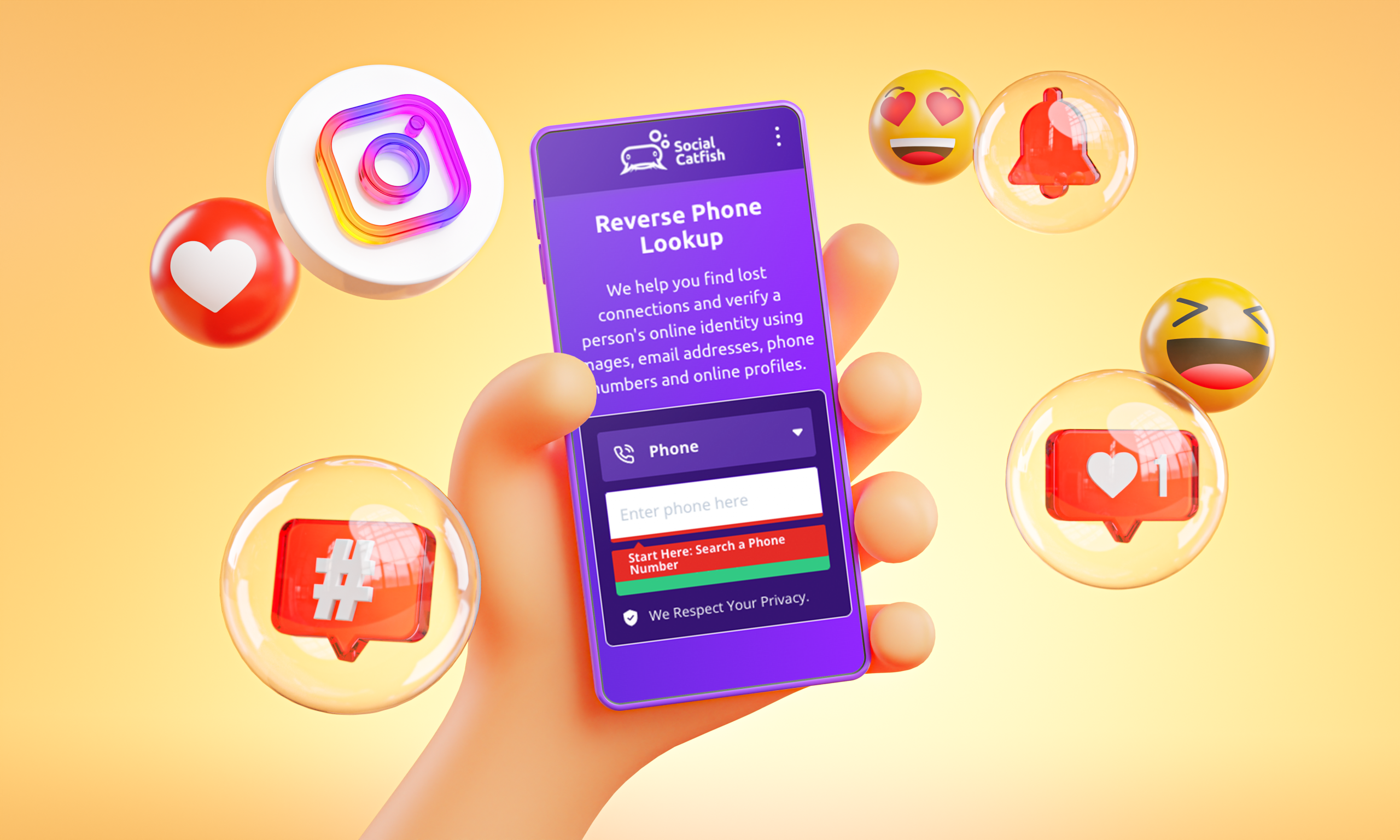
Scammers often hide behind fake names, burner emails, and stolen company logos. That’s where Social Catfish steps in. We offer powerful tools to help you verify who you’re talking to before you risk your time or financial security.
Reverse Image Search
Upload the client’s profile photo, company logo, or any shared headshots. We’ll scan the web to see if the image is authentic, or stolen.
Email and Domain Lookups
Received an email from a supposed business? Use Social Catfish to verify whether the domain is legitimate, how long it’s been active, and whether it’s associated with known scams.
Full Background Reports
Use our advanced tools to look up names, phone numbers, and usernames. Discover:
- Past online activity
- Social media profiles
- Associated scams
- Aliases or impersonations
Investigative Services
If you’ve already shared sensitive info or feel compromised, our professional investigators can help trace the source of the scam and advise on damage control.
Freelancing is your business; treat it with the same vigilance as any entrepreneur would.
FAQs: Freelance Safety on Upwork
Q: Can Upwork guarantee that every client is legit?
No. While they vet clients and offer payment protection, you’re still responsible for due diligence.
Q: What should I do if I think a job is a scam?
Report it directly via Upwork’s “Flag as inappropriate” feature. You can also run a background check using Social Catfish.
Q: Is it safe to provide samples before a contract?
Only if you’re comfortable, and preferably with a watermark or limited resolution. Never deliver full-quality work without a contract.
Q: What if I already gave someone personal or payment info?
Change passwords, monitor your accounts, and consider contacting Social Catfish to help assess exposure or investigate.
Q: Are all off-platform clients scams?
Not always, but if someone insists on leaving Upwork before a contract is in place, it’s a major red flag.
Final Thoughts
Freelancing on Upwork offers incredible opportunities, but only if you protect yourself from bad actors. Recognizing scam tactics, asking the right questions, and never rushing into projects without verification are the cornerstones of working safely online.
At Social Catfish, we believe in empowering independent professionals with tools that go beyond intuition. Use our verification services to confirm who you’re working with, before you commit your time, energy, or reputation.
Trust your gut. Verify with facts. And freelance without fear.