Multiple Faces Detected


 February 9th, 2026
When Netflix’s “The Tinder Swindler” premiered in February 2022, it sent shockwaves through the online dating world. The documentary exposed Simon Leviev’s elaborate romance scam that defrauded multiple women out of hundreds of thousands of dollars. Now, nearly four years later, as one of his victims, Cecilie Fjellhøy, returns to Netflix screens in “Love Con Revenge,” the story feels more relevant than ever, especially as the FBI continues to report record-breaking losses to romance scams, with victims losing hundreds of millions annually.
This isn’t just about one man’s crimes; it’s about a growing epidemic that continues to evolve and devastate victims worldwide. At Social Catfish, we’ve seen firsthand how romance scams have become more sophisticated, more prevalent, and more damaging since The Tinder Swindler first opened our eyes to these elaborate deceptions.
From Victim to Vigilante: Cecilie’s Journey
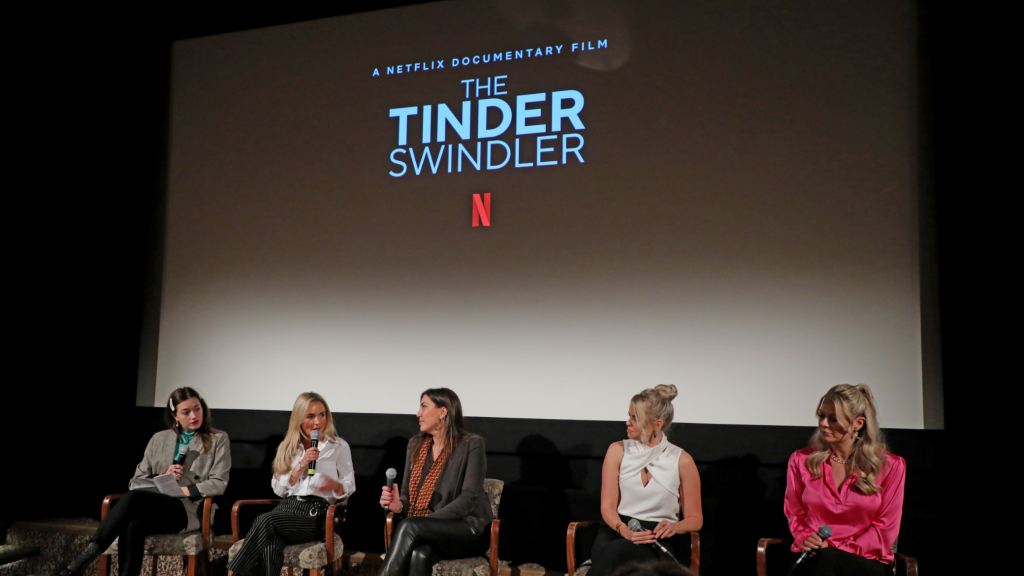
Cecilie Fjellhøy’s transformation from victim to advocate represents something powerful in the fight against romance fraud. In Netflix’s new series “Love Con Revenge,” which premiered on September 5, 2025, she partners with private investigator Brianne Joseph to help other victims seek justice and closure. This evolution from hunted to hunter demonstrates that victims don’t have to remain powerless.
Cecilie’s story in The Tinder Swindler showed us how even intelligent, successful people can fall prey to sophisticated romance scams. Her journey from devastation to empowerment mirrors what we see at Social Catfish every day: people who refuse to let scammers have the last word.
If you suspect you’re being targeted by a romance scammer, don’t wait. Use Social Catfish’s reverse image search to verify if the photos you’re seeing are real. Start your investigation today.
The Persistent Problem: Romance Scams in 2025
Since The Tinder Swindler’s release, romance fraud hasn’t decreased; it’s exploded. The Federal Trade Commission reported record-breaking losses to romance scams, and the trend shows no signs of slowing. What made Simon Leviev’s scam so effective in 2018-2019 has now become a blueprint copied by countless other fraudsters.
The core elements that made Leviev successful remain devastatingly effective:
Lifestyle Fabrication: Creating an elaborate persona complete with luxury photos, fake businesses, and manufactured urgency. Today’s scammers have access to AI-generated images and deepfake technology, making their fabricated lives even more convincing.
Emotional Manipulation: Building genuine emotional connections before introducing financial needs. This psychological grooming period can last months, making victims feel deeply invested in the relationship.
Social Proof Manufacturing: Using fake testimonials, manufactured social media presence, and borrowed credibility to appear legitimate. Modern scammers have refined these techniques to perfection.
Trust Exploitation: Converting emotional intimacy into financial vulnerability through carefully crafted crisis scenarios.
The Evolution of Romance Scamming Since 2022
While The Tinder Swindler showed us romance scams circa 2018-2019, the landscape has dramatically evolved. Today’s romance scammers have learned from Leviev’s mistakes and adapted their tactics:
Technological Sophistication
Modern romance scammers leverage advanced technology that wasn’t widely available during Leviev’s prime. AI-generated photos create unique faces that can’t be reverse-searched using traditional methods. Deepfake video calls can now fool victims who think they’re being cautious by demanding face-to-face interaction.
Platform Diversification
Where Leviev primarily used Tinder, today’s scammers cast wider nets across Instagram, Facebook Dating, Bumble, LinkedIn, and even professional networking sites. They understand that different platforms attract different demographics and tailor their approaches accordingly.
Micro-Targeting
Modern scammers study their victims more carefully, using social media histories, professional information, and personal details to craft highly personalized approaches. They’re not just looking for anyone; they’re looking for specific types of people who match their refined victim profiles.
Why The Tinder Swindler Still Matters
The documentary’s enduring relevance stems from its unflinching look at the psychology of romance fraud. It showed us that falling for a romance scam isn’t about intelligence or education, it’s about human nature and our fundamental need for connection.
The Emotional Blueprint
Leviev’s approach revealed the universal tactics that romance scammers use to exploit our emotional vulnerabilities:
Love Bombing: Overwhelming targets with attention, affection, and promises of a perfect future together. This creates an addictive emotional high that victims chase throughout the relationship.
Manufactured Intimacy: Creating false closeness through constant communication, shared “secrets,” and future planning. Victims feel they know their scammer intimately when they actually know nothing real about them.
Crisis Manufacturing: Introducing emergencies that require immediate financial assistance, always with promises of repayment and escalating urgency.
Isolation Techniques: Gradually separating victims from friends and family who might question the relationship, creating dependency on the scammer for emotional support.
The Financial Devastation
The Tinder Swindler didn’t just steal money, it destroyed credit scores, depleted savings, and left victims with massive debts. This financial trauma often extends far beyond the immediate losses, affecting victims’ ability to secure housing, employment, and future economic stability.
If you’re already involved with someone online and want peace of mind, Social Catfish can help verify their identity before you invest emotionally or financially.
Red Flags That Still Apply Today
The warning signs identified in The Tinder Swindler remain remarkably consistent across modern romance scams:
Profile Red Flags
- Photos that look too professional or model-like
- Limited number of photos or photos that seem mismatched
- Vague location information or claims of extensive travel
- Professional profiles that seem too good to be true
Communication Red Flags
- Immediate professions of love or deep connection
- Requests to move conversations off the dating platform quickly
- Inconsistencies in personal stories or details
- Reluctance to video chat or meet in person
Financial Red Flags
- Any request for money, gifts, or financial information
- Stories involving business deals, travel emergencies, or legal troubles
- Requests for cryptocurrency or wire transfers
- Claims of temporary financial difficulties despite apparent wealth
The Technology Arms Race
As victims become more educated about romance scams, fraudsters adapt their techniques. This creates an ongoing arms race between scammers and those working to stop them.
Modern Scammer Tools
- AI-generated profile photos that don’t exist in reverse image searches
- Deepfake video technology for fake video calls
- Sophisticated social media profile creation tools
- Advanced translation software for non-native English speakers
Defense Technology
At Social Catfish, we’ve developed advanced tools to combat these evolving threats:
Advanced Image Analysis: Our technology can identify manipulated or AI-generated images that traditional reverse searches miss.
Social Media Verification: We cross-reference information across multiple platforms to identify inconsistencies and fabricated profiles.
Digital Footprint Analysis: Our comprehensive background checks reveal when someone’s online presence doesn’t match their claimed identity.
Pattern Recognition: We identify common behavioral patterns and linguistic markers that indicate fraudulent activity.
Stay ahead of evolving scam tactics. Social Catfish’s advanced verification tools are constantly updated to catch the latest romance scam techniques.
The Psychology of Modern Romance Fraud
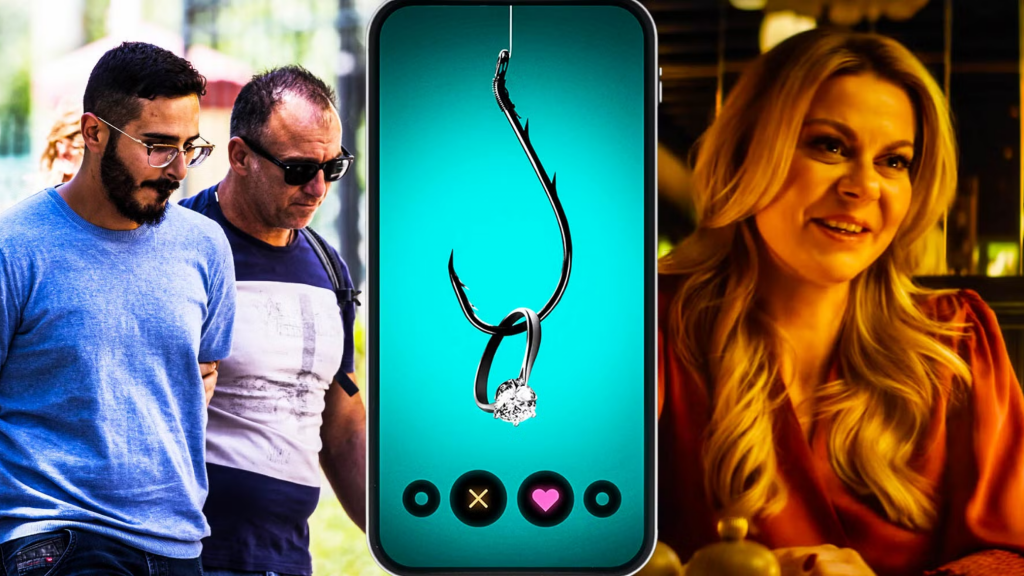
The Tinder Swindler revealed something crucial about human psychology that remains unchanged: our capacity for love makes us uniquely vulnerable to exploitation. Understanding this psychology is key to prevention.
Why Smart People Fall for Romance Scams
Intelligence doesn’t protect against romance fraud because these scams target emotions, not logic. Successful, educated individuals often make ideal targets because:
- They have more financial resources to exploit
- They’re often emotionally isolated due to busy careers
- They’re used to making quick decisions in professional settings
- They may have less experience with online dating deception
The Shame Cycle
One reason romance scams continue to thrive is the shame cycle they create. Victims feel embarrassed about falling for the scam, which prevents them from seeking help or reporting the crime. This silence allows scammers to continue operating and prevents others from learning from these experiences.
Social Catfish: Your Defense Against Romance Fraud
At Social Catfish, we know that The Tinder Swindler wasn’t just entertainment—it was a wake-up call about the very real and growing threat of romance fraud. Since 2013, we’ve been dedicated to protecting people worldwide by verifying online identities and exposing scammers before they cause harm.
Our Comprehensive Protection Services
- Identity Verification: Go beyond a username or email. Our tools cross-check names, phone numbers, email addresses, and dating profiles against billions of public and proprietary records to confirm someone’s true identity.
- Photo Authentication: Our advanced reverse image search uncovers whether profile photos are original, stolen, or linked to multiple online identities. This helps you spot catfishing and impersonation scams instantly.
- Social Media Investigation: We dig deep into Facebook, Instagram, LinkedIn, and other platforms to analyze profiles for red flags such as inconsistent details, stock photos, or suspicious activity patterns.
- Real-Time Scam Detection: Our system is constantly updated with the latest romance scam tactics, whether it’s fake crypto investments, sextortion threats, or military romance scams, so you’re always one step ahead.
Expert Human Support
Technology is powerful, but scammers are clever. That’s why we also offer help from our Search Specialists, a team of trained investigators who manually review suspicious profiles, analyze data across multiple platforms, and give you actionable answers. When automated tools aren’t enough, our specialists step in to provide clarity and peace of mind.
Frequently Asked Questions
What is the connection between The Tinder Swindler and Love Con Revenge?
Cecilie Fjellhøy, one of the main victims featured in The Tinder Swindler, stars in Netflix’s new series “Love Con Revenge” alongside private investigator Brianne Joseph. The show follows Cecilie as she helps other romance scam victims seek justice and closure, transforming her from victim to advocate.
Are romance scams more common now than when The Tinder Swindler was filmed?
Yes, romance scams have significantly increased since Simon Leviev’s crimes were documented. The Federal Trade Commission reports record-breaking losses to romance fraud, with victims losing billions of dollars annually. The techniques shown in The Tinder Swindler have become a blueprint for countless other scammers.
How can I verify if someone I’m talking to online is real?
Social Catfish offers comprehensive verification tools, including reverse image searches, background checks, and social media investigations. Before investing emotionally or financially in someone online, use our services to verify their identity and check for red flags.
What are the biggest red flags I should watch for in online dating?
Key warning signs include: immediate professions of love, reluctance to video chat or meet in person, requests to move conversations off the dating platform, any requests for money or financial information, and inconsistencies in their personal stories or photos that look too professional.
How much money do people typically lose to romance scams?
Losses vary widely, but many victims lose tens of thousands of dollars. The women in The Tinder Swindler lost between $140,000 and $250,000 each. However, the financial damage often extends beyond immediate losses to include damaged credit scores and long-term debt.
Why do smart, successful people fall for romance scams?
Romance scams target emotions, not intelligence. Successful individuals often make ideal targets because they have financial resources, may be emotionally isolated due to busy careers, and are used to making quick decisions. The psychological manipulation techniques used by scammers are sophisticated and designed to exploit universal human needs for connection and love.
Conclusion: Your Shield Against Modern Romance Fraud
Three years after The Tinder Swindler exposed the devastating reality of romance fraud, the threat has only grown more sophisticated. But awareness has grown, too. We’re no longer naive about the possibilities of online deception, and we have better tools than ever to protect ourselves.
Your capacity to love isn’t a weakness, it’s what makes you human. But loving wisely means verifying before you trust. In a world where romance scammers have refined their tactics to an art form, protection isn’t paranoia—it’s common sense.
Don’t let the next romance scam documentary feature your story. Take control of your online safety today.
Ready to protect yourself from romance scams? Social Catfish offers comprehensive identity verification services designed to keep you safe while you search for genuine love. Start your free trial today and join thousands who’ve found peace of mind through verification.