
 Multiple Faces Detected


 June 16th, 2026
Identity theft does not always announce itself. Most victims discover it weeks or months after it has already happened through an unexpected bill, a rejected loan application, or a debt collector calling about an account they never opened. By the time the signs are obvious, the damage is already done.
Over 1.1 million identity theft cases were reported to the FTC in 2024, nearly 75% higher than in 2019. The people behind those reports did not all lose their wallets or fall for a phishing email; many had no idea how their information was stolen or how long it had been in use.
Knowing the warning signs and acting quickly is the difference between catching it early and spending months or years undoing the damage.
If you suspect someone is using your identity right now, Social Catfish’s reverse search tools can trace where your personal information appears online and identify who may be using it.
Identity Theft Warning Signs: What to Look For

Most identity theft warning signs appear in your financial accounts, credit reports, or daily mail before anything more serious surfaces. Here is what to watch for across every area of your life.
Financial Warning Signs
- Unfamiliar charges on your bank statements or credit card bills — even small ones, since thieves often test accounts with minor transactions before making larger ones
- Withdrawals from your bank account that you did not make
- Bills arriving for accounts you never opened
- Missing bills that you expect to receive — a sign someone may have changed your billing address
- Debt collection calls about accounts or loans you do not recognize
- Your credit or debit card being declined when you know you have funds available
Credit Report Warning Signs
- Accounts on your credit report that you did not open
- Hard inquiries from lenders you never applied to
- A sudden unexplained drop in your credit score
- Addresses on your credit report that you have never lived at
- Employers listed on your report that you have never worked for
Tax and Government Warning Signs
- The IRS notifies you that more than one tax return was filed in your name
- You receive a notice of income from an employer you do not work for
- Your Social Security benefits are smaller than expected or show employment you did not have
- You are denied government benefits because records show you are already receiving them under your name
Medical Identity Theft Warning Signs
- Medical bills for services you did not receive
- Explanation of Benefits statements from your health insurer showing treatments you never had
- Your health insurance reaching its limit faster than expected
- A healthcare provider telling you that your insurance was already used for a visit you did not make
Other Warning Signs
- Mail stops arriving — a potential sign that someone has filed a change of address in your name
- You receive credit cards, bank statements, or financial documents you did not apply for
- You are contacted about a data breach at a company you use or have used
- Someone files for unemployment benefits in your name while you are still employed
Someone Is Using My Identity: What to Do Immediately
If you recognize more than one of the signs above, treat it as confirmed identity theft and act immediately. Speed is the most important factor; the faster you respond, the less damage the thief can do.
Step 1: Place a Fraud Alert on Your Credit Reports
Contact any one of the three major credit bureaus, TransUnion, Experian, or Equifax, and request a fraud alert. By law, the bureau you contact must notify the other two. A fraud alert requires lenders to take extra steps to verify your identity before opening new accounts in your name.
A standard fraud alert lasts one year. If you are a confirmed identity theft victim, you can request an extended fraud alert that lasts seven years.
Step 2: Freeze Your Credit
A credit freeze is stronger than a fraud alert. It prevents any new credit from being opened in your name entirely, rather than simply requiring extra verification. You must contact each bureau separately to place a freeze:
- TransUnion: transunion.com or 1-888-909-8872
- Experian: experian.com or 1-888-397-3742
- Equifax: equifax.com or 1-800-685-1111
A credit freeze is free and does not affect your existing credit score or accounts. You can temporarily lift it when you need to apply for new credit yourself.
Step 3: Report to the FTC
Go to IdentityTheft.gov and file a report. This is the official federal resource for identity theft victims. The site generates a personalized recovery plan based on what type of theft occurred, provides an official FTC Identity Theft Report you will need for disputing fraudulent accounts, and walks you through every step of the recovery process.
Step 4: Contact Each Affected Company
For every account, card, or loan opened fraudulently in your name, contact the fraud department of the company directly. Provide your FTC Identity Theft Report and request that the fraudulent account be closed and removed from your records. Keep written records of every call and follow up in writing.
Step 5: File a Police Report
In cases involving significant financial loss or if a company requires an official police report to process your dispute, file a report with your local police department. Bring your FTC Identity Theft Report and any documentation of the fraudulent activity.
Identity Theft What to Do: Ongoing Recovery Steps
Immediate action stops the bleeding. Recovery takes longer and requires ongoing monitoring.
Dispute Fraudulent Items on Your Credit Report
Write to each credit bureau disputing every fraudulent account and inquiry. Include your FTC Identity Theft Report and any supporting documentation. By law, bureaus must investigate disputes and remove confirmed fraudulent items. Send disputes by certified mail and keep copies of everything.
Monitor Your Credit Reports Regularly
You are entitled to free weekly credit reports from all three bureaus at AnnualCreditReport.com. Check all three regularly during and after recovery for any new fraudulent activity. Even after the immediate crisis is resolved, identity thieves sometimes return to use stolen information months later.
Change Passwords and Secure Your Accounts
If your identity was stolen through a data breach or account compromise, change passwords on every account that uses the same credentials. Use unique passwords for each account and enable two-factor authentication wherever possible.
Watch for Tax Identity Theft
If your information was compromised, file your taxes as early as possible each year to reduce the window for a thief to file a fraudulent return in your name. If you believe your Social Security number has been compromised, contact the IRS Identity Protection Specialized Unit at 1-800-908-4490.
How to Find Out Where Your Information Is Being Used
Knowing that your identity has been stolen is only the first step. The harder question is where your information is appearing and who is using it, especially online, where stolen personal data circulates through accounts, forums, and platforms that standard credit monitoring cannot see.
Search Your Own Name and Information
Search your full name in quotes in Google alongside terms like your city, phone number, or email address. This surfaces public profiles, accounts, and listings where your information appears. Pay attention to results that show your details attached to accounts or addresses you do not recognize.
Reverse Search Your Personal Details
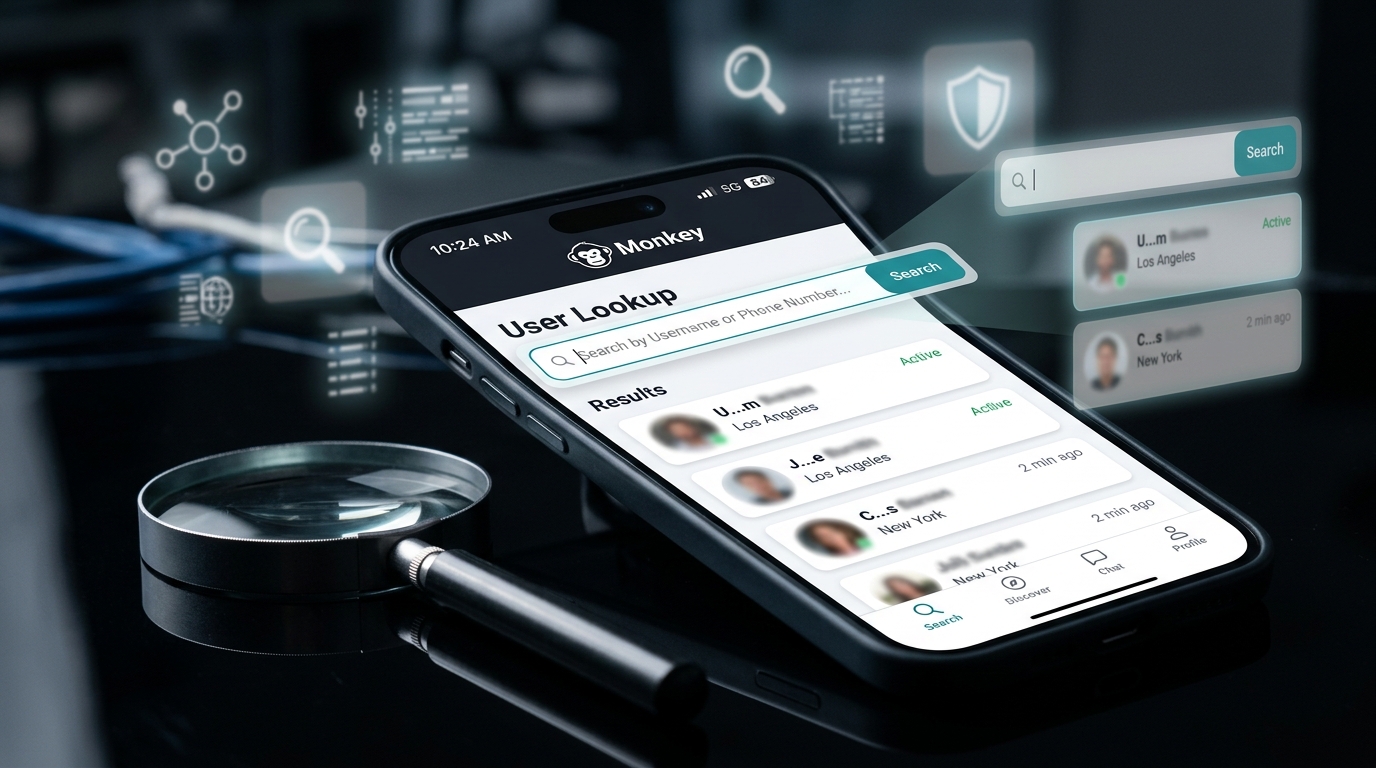
Social Catfish’s reverse search tools let you trace where your personal information appears across public records, social media platforms, and identity databases simultaneously.
- Reverse phone lookup: Enter your own phone number to see what accounts and profiles are publicly linked to it
- Reverse email search: Enter your email address to find every platform and account registration associated with it across the web
- Name search: Search your full name to surface any public profiles, accounts, or records appearing under your identity that you did not create
- Reverse image search: If you believe someone is using your photos to create fake profiles, upload your image to find where it appears online
This is particularly useful for identifying social media accounts or dating profiles created in your name without your knowledge, a form of identity theft that standard credit monitoring does not detect and that can damage your personal and professional reputation independently of any financial harm.
How to Protect Yourself From Identity Theft Going Forward

Recovery is the priority when theft has already occurred. Prevention becomes the priority once you are through it.
- Freeze your credit permanently and lift it only when needed. This costs nothing and is the strongest available protection against new account fraud
- Monitor your credit reports at AnnualCreditReport.com on a rotating schedule, one bureau per month, gives you ongoing coverage throughout the year
- Use unique passwords for every account and store them in a password manager
- Enable two-factor authentication on every financial, email, and social media account
- Shred documents containing personal information before disposal, such as account statements, pre-approved credit offers, and medical bills
- Be cautious with public Wi-Fi — avoid accessing financial accounts on unsecured networks
- Check your mail regularly and place a hold if you are traveling mail theft remains a common source of identity information
- Review your Social Security earnings record annually at ssa.gov to verify that no fraudulent employment has been added
FAQ
The earliest signs are usually unfamiliar financial charges on bank or credit card statements, missing bills that should have arrived, or debt collection calls about accounts you do not recognize. A sudden unexplained drop in your credit score or new accounts appearing on your credit report that you did not open are also early indicators.
Act immediately. Place a fraud alert with one of the three major credit bureaus; they are required to notify the others. File an official report at IdentityTheft.gov to get a personalized recovery plan and an FTC Identity Theft Report you will need for disputes.
Search for your name, phone number, and email address in Google, using quotes, to find public listings. Use Social Catfish’s reverse search tools to trace where your personal details appear across social media, public records, and identity databases simultaneously. This surfaces accounts and profiles using your information that standard credit monitoring does not detect.
Contact each of the three major credit bureaus separately: TransUnion, Experian, and Equifax. A freeze is free, does not affect your credit score, and prevents any new credit from being opened in your name. You can lift it temporarily when you need to apply for credit yourself.
The FTC Identity Theft Report is an official document generated when you file a report at IdentityTheft.gov. File it as soon as you confirm identity theft has occurred; you will need it throughout the recovery process.