
 Multiple Faces Detected


 January 21st, 2026
Your CEO joins a video call asking you to wire $25 million. Your mother calls crying, saying she’s been in an accident and needs money immediately. A celebrity endorses a product in a video. All of these could be completely fake, and you might not be able to tell the difference.
According to the FTC, consumers reported losing more than $12.5 billion to fraud in 2024, a 25% increase over the previous year. While the FTC doesn’t break out deepfake losses specifically, imposter scams accounted for $2.95 billion of those losses, with AI-powered voice cloning and deepfake videos playing an increasingly significant role. Deepfake fraud incidents increased tenfold between 2022 and 2023, and in 2024, deepfake attempts occurred at a rate of one every five minutes.
Let’s explore how deepfake AI impersonation works, who’s most at risk, and how you can protect yourself.
What Are Deepfakes and Why Are They Dangerous?
Deepfakes are AI-generated media that convincingly mimic real people’s voices, faces, and mannerisms.
The Technology Behind Deepfakes
Deepfakes use machine learning to analyze photos, videos, and audio of real people, then generate synthetic media that looks and sounds authentic. DeepFaceLab claims more than 95% of deepfake videos are created with its open-source software, meaning anyone with basic technical skills can create convincing fakes.
Voice cloning is even easier. Many people share their voices online through social media, YouTube, and podcasts, 53% share their voices online at least once weekly. Scammers harvest these recordings and use free tools to create identical audio.
Why Deepfakes Are So Effective
Deepfakes exploit our fundamental trust in what we see and hear. When you watch someone speaking, your brain processes it as real unless you have specific reasons to doubt it. Research shows false information spreads faster because it provokes emotional responses.
The consequences are devastating. A Hong Kong finance worker transferred $25.6 million after a video conference with deepfake versions of the company’s CFO and employees. The technology was so convincing the employee never suspected the entire meeting was fabricated.
If you receive an unexpected video call or voice message asking for money or sensitive information, verify it through another channel and use Social Catfish to check for impersonation reports.
How Scammers Use Deepfake AI for Fraud
Deepfake technology enables scammers to execute increasingly sophisticated fraud schemes.
CEO and Executive Impersonation
Scammers create deepfake videos or voice clones of CEOs and executives, then contact employees with urgent wire transfer requests or demands for financial data. Mark Read, CEO of WPP (the world’s biggest advertising group), was targeted using an AI voice clone and YouTube footage. Criminals created a WhatsApp account and Microsoft Teams meeting appearing to be with Read, attempting to solicit money from an agency leader.
Family Emergency Scams
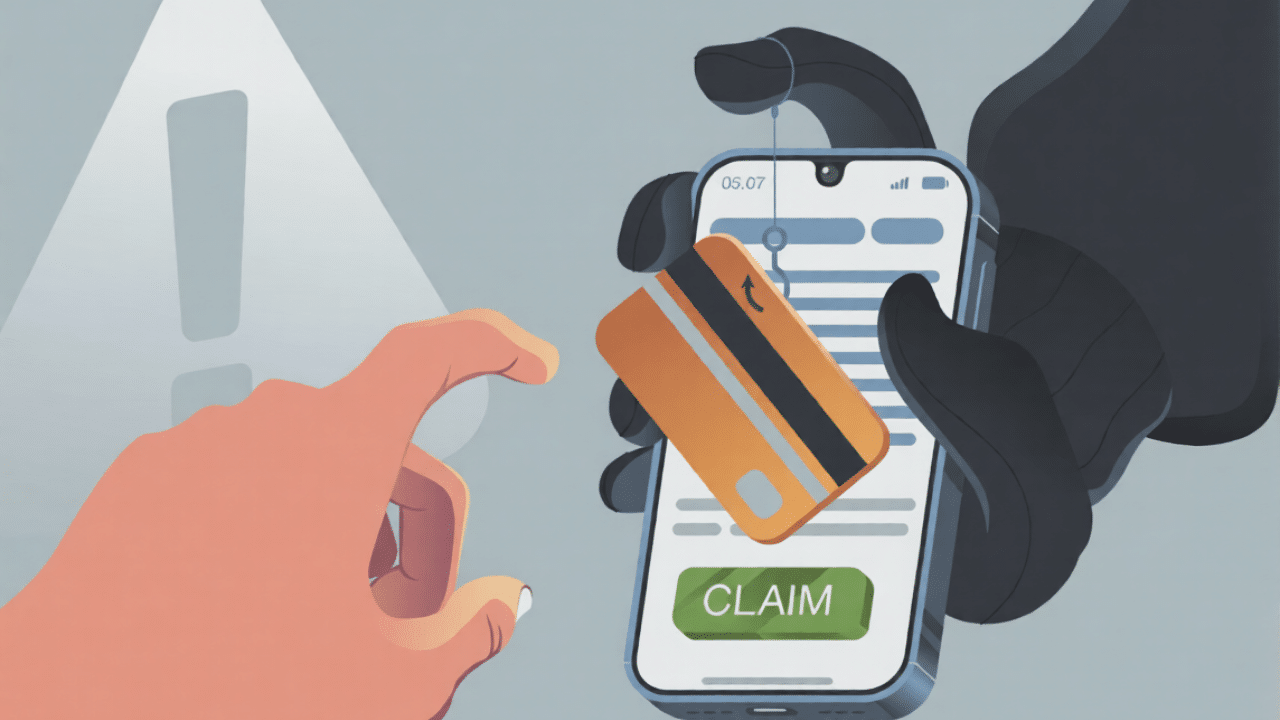
The “grandparent scam” has evolved with AI. Scammers clone a family member’s voice using public recordings, then call claiming they’ve been in an accident or arrested and need money immediately. The emotional manipulation combined with a familiar voice creates urgency that bypasses critical thinking.
Celebrity Endorsement Fraud
Deepfake celebrity videos are flooding social media, promoting cryptocurrency investments and miracle products. A deepfake Elon Musk promising a $20 million cryptocurrency giveaway recently made headlines, tricking thousands. These scams leverage celebrity credibility to legitimize fraudulent schemes.
Before engaging with any celebrity endorsement or unusual request, verify the source with Social Catfish’s reverse image search and email verification tools.
Who’s Most at Risk from Deepfake Impersonation
While anyone can fall victim, certain groups face heightened vulnerability.
Business Executives and Finance Employees
Companies with large financial operations are prime targets. The Identity Theft Resource Center found that 51% of impersonation scams target businesses directly, while 21% focus on financial institutions. Employees authorized to make large wire transfers face the greatest risk.
Older Adults and Family-Oriented Individuals
Seniors less familiar with AI technology and more trusting of phone calls are particularly vulnerable to voice cloning scams. The emotional manipulation of family emergencies makes these especially effective.
Public Figures and Their Associates
Anyone with significant online presence faces higher risk because scammers have abundant source material. YouTube videos, podcasts, and social media posts provide the audio and visual data needed for cloning.
Everyday Social Media Users
You don’t need to be famous to be targeted. If you regularly post videos or voice messages, scammers can harvest that content to impersonate you in scams targeting your contacts.
Red Flags of Deepfake AI Impersonation
Learning to recognize deepfake indicators can prevent devastating losses.
Unexpected Urgent Requests: Any surprising demand for immediate action, especially involving money, should trigger skepticism, even if it appears to come from someone you know.
Slight Audio or Video Anomalies: Look for unnatural mouth movements, odd facial expressions, inconsistent lighting, or audio that doesn’t sync with lip movements. Voice clones may have subtle robotic qualities.
Refusal to Video Call or Meet: If someone insists on communicating only through one channel and refuses to switch to video or meet face-to-face, they may be hiding their identity.
Unusual Communication Patterns: Messages that don’t match the person’s normal speech patterns or vocabulary may indicate AI-generated content. Trust your instincts if something feels off.
Too-Perfect Responses: AI chatbots respond instantly with perfect spelling but may give generic answers or struggle with specific, personal questions only the real person would know.
What to Do If You Suspect Deepfake Impersonation

Quick verification can prevent fraud before any damage occurs.
Hang Up and Call Back Using a Known Number: If you receive a suspicious call, end it immediately and call back using a number you already have saved. Don’t use any number provided in the suspicious communication.
Establish a Family Code Word: Create a secret word with family members that only you know. If someone calls claiming to be a relative in an emergency, ask for the code word.
Verify Through Multiple Channels: If you receive an unexpected request via one platform, verify through another. If someone emails, call them. If they text, video call them.
Ask Personal Questions: Test the caller with questions about shared experiences or inside jokes that wouldn’t be publicly available online. AI can’t replicate private memories.
Report to Authorities: File a report with the FTC at ReportFraud.ftc.gov and report the fake account to the social media platform. Use Social Catfish to alert others about the impersonation attempt.
Even if you’ve fallen for a deepfake scam, Social Catfish’s monitoring tools can help protect you from follow-up attacks and identity theft.
How Social Catfish Protects You from Deepfake Fraud
Social Catfish offers comprehensive verification tools designed to combat AI-powered impersonation.
Reverse Image Search: Upload photos or screenshots from suspicious videos to verify if images have been stolen. Many deepfake scammers reuse publicly available photos, and Social Catfish can reveal the original source.
Phone Number Verification: Before responding to urgent calls or texts, verify the phone number. You’ll see if it’s associated with known scams or doesn’t match the person claiming to contact you.
Email Lookup: Deepfake scammers often combine fake videos with spoofed emails. Social Catfish’s email verification reveals whether an address is legitimate or has been reported in fraud schemes.
Identity Monitoring: Track your personal information online to see if your photos, videos, or voice recordings are being misused in deepfake scams targeting your contacts.
Real example: Sarah received a frantic video call from what appeared to be her brother saying he’d been in an accident and needed $5,000. Before sending money, she used Social Catfish to verify the phone number. The results showed it was a VoIP number recently created and reported in multiple family emergency scams. She called her brother’s real number, he was fine. Social Catfish saved her $5,000.
Frequently Asked Questions
How can I tell if a video or voice message is a deepfake?
Look for unnatural blinking patterns, odd facial movements, audio that doesn’t sync with lip movements, or unusual backgrounds. Voice clones may mispronounce personal names or lack natural emotional variation. However, deepfakes are becoming harder to detect, so verification through independent channels is essential.
Can scammers really clone someone’s voice from just a few seconds of audio?
Yes. Current technology can produce an 85% voice match using just three seconds of audio. With more audio samples from social media or YouTube, voice clones become virtually indistinguishable from the real person.
What should I do if someone is using my image or voice in a deepfake?
Contact the platform hosting the deepfake and request removal. File a report with the FTC and local law enforcement. Use Social Catfish to monitor where your image appears online. Consider consulting an attorney about potential legal action.
Are deepfakes illegal?
The FTC’s Impersonation Rule, effective April 2024, makes it illegal to falsely pose as an individual in matters affecting commerce. Violators face fines up to $53,088 per violation. However, enforcement is still catching up with the technology.
How can businesses protect themselves from deepfake fraud?
Implement multi-factor authentication for financial transactions, establish verification protocols for unusual requests, train employees about deepfake risks, use code words for sensitive communications, and require in-person or video verification for large wire transfers.
Stay Protected in the Age of AI Deception
Deepfake AI impersonation represents one of the most sophisticated fraud threats we’ve ever faced. The technology is accessible, affordable, and increasingly difficult to detect. Scammers can impersonate executives, family members, and celebrities with eerie precision.
But awareness and verification give you powerful protection. Never trust unexpected requests based solely on how someone looks or sounds. Always verify through independent channels. Establish code words with family members. Question urgency. And use Social Catfish to verify identities before taking action.
The age of “seeing is believing” is over. In the deepfake era, verification is believing.
Stay skeptical, verify every unexpected request, and protect yourself with Social Catfish, your defense against AI-powered deception.