
 Multiple Faces Detected


 December 29th, 2025
Imagine getting an email from your long-lost mother. The one you’ve been searching for your entire life. She has all the right details. She knows things only your real mother would know. You meet her, and she’s everything you hoped for.
Then she destroys your life.
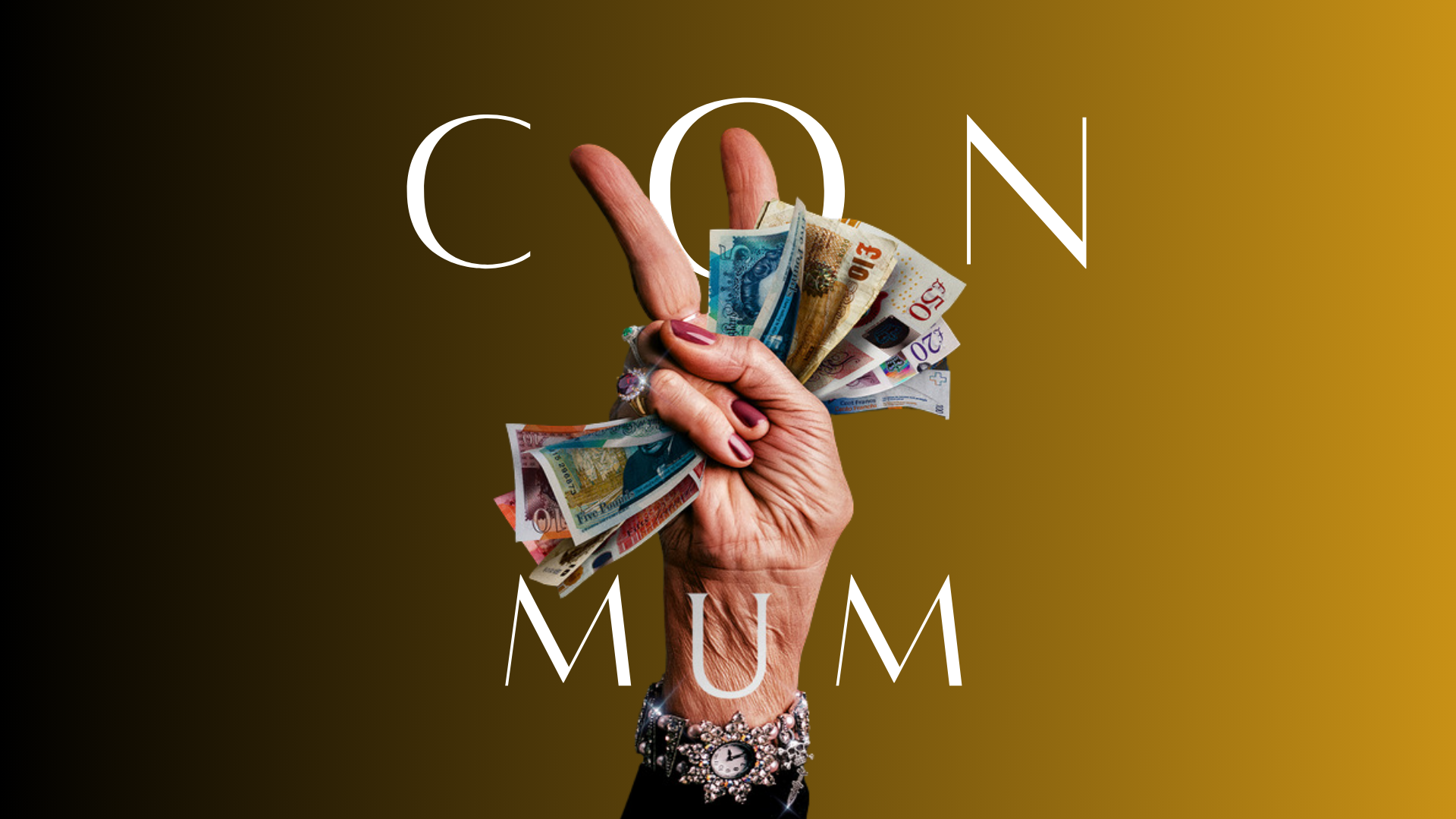
That’s exactly what happened to British pastry chef Graham Hornigold. And it’s the shocking true story behind Netflix’s latest documentary, Con Mum. The con mum story isn’t just about money. It’s about something far more devastating: weaponized love.
This case exposes a terrifying type of scam that most people never see coming. Family impersonation fraud. And it’s more common than you think.
What Is the Con Mum Documentary About?
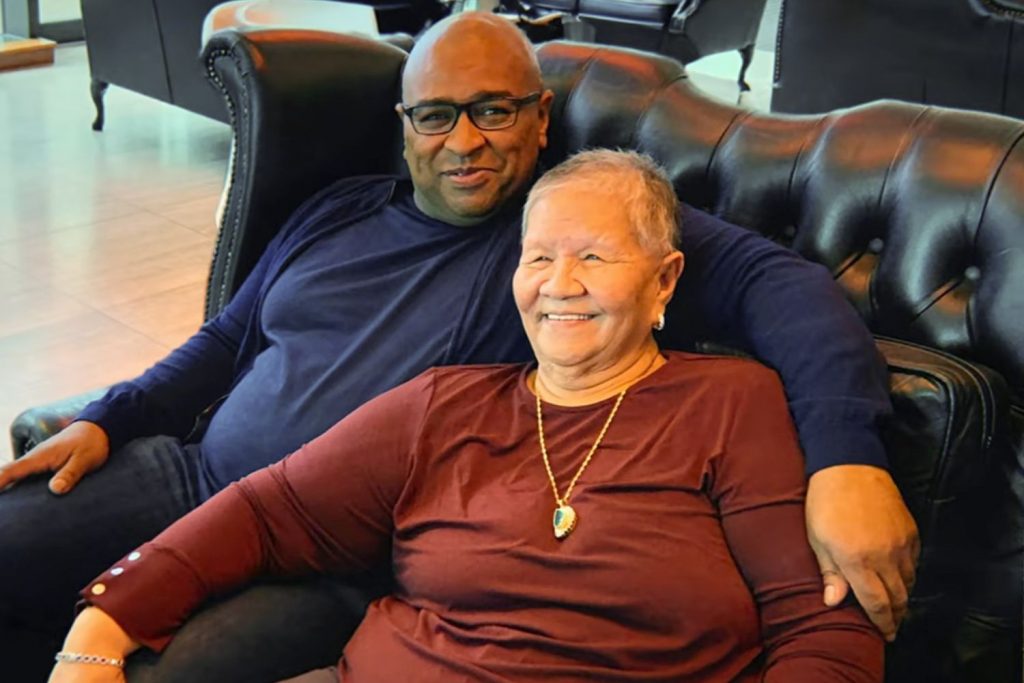
Released in March 2025, Con Mum follows Graham Hornigold, a celebrated chef who appeared on MasterChef: The Professionals. In 2020, he received an email from a woman named Dionne. She claimed to be his biological mother.
Hornigold never knew his mother. He was born on a British Army base in Germany in 1974 and raised by an abusive, alcoholic father. His childhood was marked by trauma and absence. Finding his mother was his lifelong dream.
Dionne had answers. She knew his birth details. She explained why they were separated. And she had a heartbreaking reason for reaching out now: she was dying. Brain tumor. Bone marrow cancer. Six months to live.
But there was a silver lining. Dionne claimed to be the illegitimate daughter of the former Sultan of Brunei. She was wealthy beyond measure. And she wanted to leave everything to her son.
The con mum story seemed too good to be true. Because it was.
How the Con Mum Scam Worked
Dionne didn’t just lie. She orchestrated an elaborate emotional con. Here’s how she did it.
She love-bombed him. Dionne showered Hornigold with affection, gifts, and attention. She bought him a Range Rover. She moved in with him, his partner Heather, and their newborn son. She made him feel seen.
She created urgency. The cancer diagnosis wasn’t real. But it worked. Hornigold felt pressure to spend time with her before she “died.” He prioritized her over his own family.
She isolated him. Dionne convinced Hornigold to fly to Switzerland for months to sign inheritance documents. He left his newborn son behind. His partner grew suspicious, but Dionne had already driven a wedge between them.
She drained him financially. Dionne lived lavishly. Five-star hotels. Expensive restaurants. Designer clothes. She claimed her bank accounts were frozen due to COVID-19. So Hornigold paid for everything. He racked up between £100,000 and £300,000 in debt, according to reports.
And the worst part? A DNA test confirmed it. Dionne really was his mother.
The Emotional Damage of Family Impersonation Scams
Most scams are about money. This one was about something deeper. Dionne exploited Hornigold’s unhealed trauma. She knew he had spent 45 years longing for a mother. She used that against him.
“She played upon a need, an unhealed wound,” Hornigold told The Standard. “The one person who’s supposed to come into your life and be your protector.”
The con mum didn’t just steal money. She destroyed his marriage. Heather and their son moved to New Zealand. Hornigold stayed in the UK, drowning in debt. He rarely sees his child now.
Family impersonation scams are particularly cruel because they exploit trust at its most vulnerable point. When someone claims to be a relative, especially a parent, the emotional manipulation runs deep. Victims often ignore red flags because they desperately want the relationship to be real.
Red Flags You Need to Know
The con mum story reveals warning signs that apply to all impersonation scams. Watch for these:
Sudden contact after years of silence. If a long-lost relative reaches out with no prior warning, verify their identity independently. Don’t rely on the information they provide.
Urgent financial needs. Dionne claimed her accounts were frozen. Scammers often create fake emergencies to pressure victims into sending money quickly.
Lavish promises. Inheritance scams are common. If someone promises you wealth but needs money up front, it’s a scam.
Isolation tactics. Dionne separated Hornigold from his family. Scammers often try to cut victims off from people who might question their story.
Inconsistent details. Even though Dionne had some accurate information, her backstory kept changing. She claimed royal lineage with no proof.
If you’re dealing with someone who exhibits these behaviors, you need to verify their identity. That’s where Social Catfish comes in.
How Social Catfish Can Protect You
Social Catfish specializes in uncovering the truth about people online. Whether it’s a long-lost relative, a new romantic interest, or a suspicious caller, Social Catfish gives you the tools to verify identities before it’s too late.
Reverse image search. Upload a photo to see if it’s been stolen or used in other scams. Many impersonators use fake profile pictures. Social Catfish’s reverse image search can expose them.
Phone number lookup. Got a call from someone claiming to be family? Use Social Catfish’s reverse phone lookup to see who really owns that number.
Email search. Dionne first contacted Hornigold via email. A reverse email search can reveal if that address is linked to scam reports or fake accounts.
Username search. If someone reaches out on social media, check their username. Social Catfish’s reverse username search can show you all the accounts tied to that handle.
Background checks. Before you trust someone with your money or emotions, run a dating background check. It’s not just for romantic relationships. It’s for anyone who seems too good to be true.
Social Catfish has helped thousands of people avoid scams. Don’t wait until you’re in too deep.
Other Victims of the Con Mum
Hornigold wasn’t Dionne’s only target. The documentary reveals at least three other victims:
Junyan and Markus, startup founders who lost tens of thousands of pounds after Dionne promised to invest in their business.
Peng, a medical representative who lent Dionne £7,000 and never saw it again.
Dionne’s pattern was always the same. Build trust quickly. Introduce a personal tragedy. Request “temporary” financial help. Disappear.
She’s been doing this for decades. And she’s never faced criminal charges.
Why the Law Can’t Always Help
Hornigold reported Dionne to the police. They told him it was essentially a “bad business decision.” Because Dionne is his biological mother, UK law treats the case as a civil dispute, not fraud.
This is a massive legal gap. Emotional scams within families are rarely prosecuted. The law sees them as “consensual” debt. But there’s nothing consensual about manipulation.
That’s why prevention is so important. You can’t rely on the justice system to protect you. You have to protect yourself.
Where Is Dionne Now?
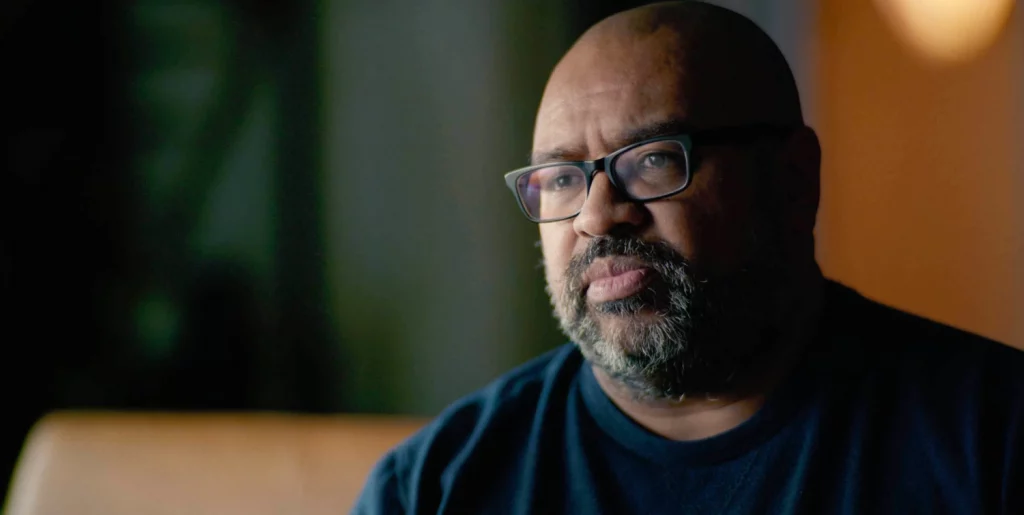
As of 2025, Dionne’s whereabouts are unknown. She did not participate in the Netflix documentary. She has avoided all media interviews.
Some believe she’s living abroad under a new identity. Others think she’s continuing her scams elsewhere.
A year after the con mum story began, Dionne called Hornigold from Malaysia. She apologized. But in the same breath, she said, “I cannot change, son.”
That’s the reality of dealing with a con artist. They don’t feel remorse. They just move on to the next victim.
Protect Yourself Before It’s Too Late
The con mum story is a warning. Scammers don’t always look like criminals. Sometimes they look like family.
If someone from your past suddenly reappears, verify their identity. Use tools like Social Catfish to confirm who they really are. Check their phone number, email, and social media accounts. Look for signs you’re being catfished.
And if something feels off, trust your gut. Hornigold’s partner, Heather, had doubts from the beginning. She was right.
Don’t let desperation for connection cloud your judgment. Scammers know how to exploit loneliness, trauma, and hope. But you can fight back with information.
Run a search. Ask questions. Protect yourself. Because once a con artist gets in, the damage can last a lifetime.