Multiple Faces Detected


 February 12th, 2026
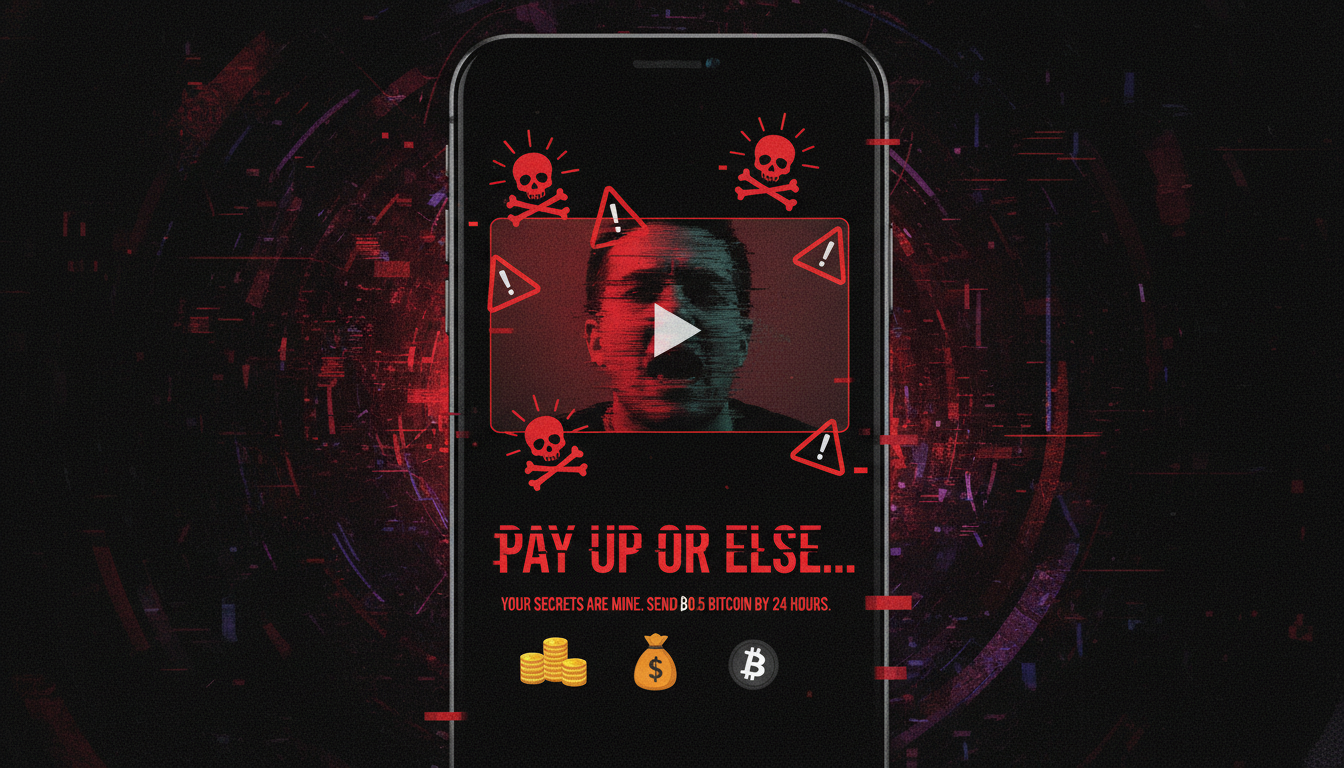
You receive a message with a video attached. You click play and see yourself, your face, your voice, your mannerisms in a compromising situation you know never happened. The message demands thousands of dollars, or the video gets sent to your employer, family, and social media contacts. Your heart races. The video looks real. But you’ve never done what the video shows. Welcome to AI blackmail.
According to the FBI, extortion complaints increased 59% in 2024, with 54,936 complaints reporting $33.5 million in losses, and AI-powered deepfake blackmail is a rapidly growing portion of these crimes. Scammers use artificial intelligence to create fake videos, photos, and audio showing victims in fabricated situations, then threaten to distribute the content unless they’re paid.
Social Catfish helps victims of AI blackmail by providing evidence that deepfakes are fabricated, connecting victims with resources, and helping document these crimes for law enforcement. Understanding how AI blackmail works and knowing your rights protects you from becoming another victim.
In this guide, we’ll explain how AI blackmail works, the types of deepfake extortion scammers use, how to recognize fake content, and what to do if you’re targeted.
What Is AI Blackmail?

AI blackmail uses artificial intelligence and deepfake technology to create fake but realistic images, videos, or audio of victims in compromising situations, then threatens to distribute this fabricated content unless the victim pays money.
How AI Blackmail Differs from Traditional Blackmail
Traditional blackmail requires real evidence. AI blackmail creates fake evidence from nothing: scammers fabricate entire situations using AI to place victims’ faces on explicit content or manufacture scenarios that never happened.
Why AI Blackmail Is So Effective
Visual “proof” creates immediate panic, fear of reputational damage feels overwhelming, shame prevents reporting, and urgency creates compliance before victims think rationally.
Types of AI Deepfake Blackmail
Sextortion with Fake Explicit Content
How It Works: Scammers use face-swapping to place victims’ faces on explicit images or videos from social media or dating profiles.
The Threat: Pay thousands or the fake content gets sent to employers, family, friends, and posted publicly.
Why It Works: Even knowing it’s fake, victims fear explaining deepfake technology to everyone they know.
Fake Incriminating Videos
Scammers create deepfakes showing victims appearing to commit crimes, use drugs, or make racist statements.
How It Works: AI places victims’ faces on videos of illegal activities or manipulates audio to fake statements.
The Threat: The video gets sent to employers, licensing boards, or posted publicly unless paid.
Fake Business or Financial Misconduct
AI-generated videos or audio appear to show victims discussing illegal business activities or professional violations.
Target Victims: Business executives, financial professionals, and anyone in positions of trust.
Fake Relationship or Infidelity Evidence
Face-swapping creates “evidence” of affairs or inappropriate relationships that never occurred.
The Threat: Fake evidence gets sent to spouses or partners unless the victim pays.
Fake Compromising Behavior
Deepfakes show victims in embarrassing or humiliating situations that never occurred.
The Threat: Public posting or distribution to social networks unless paid.
How Scammers Obtain Photos and Information
Scammers need source material from:
- Social media: Public Facebook, Instagram, LinkedIn, TikTok photos
- Dating profiles designed to show faces clearly
- Professional websites with corporate headshots
- Public records with driver’s license or licensing photos
- Video calls that romance scammers record
- Hacked accounts providing access to private photos
Red Flags That Blackmail Content Is AI-Generated
Visual Inconsistencies
Face doesn’t match body in skin tone or lighting, blurred edges around face, unnatural movements, quality differences between face and rest of image, and distorted hands or fingers.
Contextual Impossibilities
Situations you were never in, locations you’ve never been to, people you’ve never met, clothes you don’t own, and time periods that don’t match.
Technical Artifacts
Glitching or flickering in video, audio not syncing with mouth movements, warped background elements, and lighting mismatches.
Scammer Behavior Patterns
Demanding cryptocurrency or gift cards, creating extreme urgency, refusing to provide full evidence, using anonymous communication, and escalating threats quickly.
What to Do If You’re a Victim of AI Blackmail
Do NOT Pay
Never pay blackmailers. Payment confirms you’re a profitable target and leads to additional demands. Scammers share victim information, causing more blackmail attempts.
Do NOT Panic
Remember: The content is fake. You did nothing wrong. This is a crime against you.
Document Everything
Save all communications, screenshots, demands, and evidence. Document dates, times, contact methods, and payment demands for law enforcement.
Report to Law Enforcement
File reports with the FBI IC3 at ic3.gov, the FTC at ReportFraud.ftc.gov, local police, and the platform where contact occurred.
Seek Professional Help
Use Social Catfish’s verification services to document that content is fake, gather evidence for law enforcement, and get guidance on next steps.
Consider Forensic Analysis
Professional deepfake detection services provide forensic analysis proving content is AI-generated—valuable evidence for law enforcement.
Inform Trusted Contacts
Tell close family or employers you’re a victim of AI blackmail. Getting ahead of potential contact reduces the blackmailer’s leverage.
Secure Your Online Presence
Make social media private, remove public photos, enable two-factor authentication, and strengthen privacy settings.
Seek Emotional Support
AI blackmail is traumatic. Consider therapy or counseling to process the emotional impact.
How to Protect Yourself from AI Blackmail
Limit Public Photos
Use strict privacy settings, limit who can see photos, be cautious about professional photos posted publicly, and consider using photos that don’t clearly show your face.
Be Cautious on Video Calls
Don’t video chat with strangers, never perform compromising actions on video calls with people you haven’t met in person, and remember any video call can be recorded and manipulated.
Verify Online Relationships
Use Social Catfish’s verification tools to confirm identities before trusting anyone online. Many AI blackmail schemes begin with romance scams that aim to obtain photos or videos.
Educate Yourself and Family
Understand deepfake technology exists and that AI blackmail is increasingly common. Share this information with family members, especially those vulnerable to exploitation.
Report Suspicious Approaches
If someone seems to be gathering photos or video for no clear reason, report suspicious behavior to platforms and authorities.
Legal Recourse for AI Blackmail Victims
Criminal Charges
AI blackmail violates extortion and blackmail statutes, computer fraud and abuse laws, cyberstalking laws, and interstate communication of threats. Law enforcement can pursue criminal charges.
Civil Lawsuits
Victims can sue for intentional infliction of emotional distress, defamation if fake content is distributed, invasion of privacy, and copyright violations if your photos were used.
Platform Liability
Report blackmail content to platforms. Under laws like the Violence Against Women Act, platforms must remove non-consensual intimate images, including AI-generated deepfakes.
How Social Catfish Helps AI Blackmail Victims

Evidence Documentation
Social Catfish helps document that content is fabricated, providing evidence for law enforcement and defense against distribution.
Investigation Support
Social Catfish’s search specialist assists in gathering information about blackmailers, tracing communication methods, and identifying patterns in extortion attempts.
Resource Connection
Connect with law enforcement resources, legal support, and professional deepfake detection services through Social Catfish’s network.
Emotional Support Guidance
Get guidance on handling the emotional trauma of AI blackmail and connecting with appropriate support services.
Frequently Asked Questions
Yes. Forensic analysis can identify AI-generated content. Social Catfish can help document that content is fabricated, providing evidence for law enforcement.
Report distribution to platforms immediately for removal. File police reports and contact Social Catfish for help documenting its fake. Most platforms remove non-consensual intimate content.
No. Don’t engage beyond the initial documentation of threats. Report to authorities and stop all communication with the blackmailer.
Not completely, but limiting public photos, using privacy settings, and being cautious with video calls reduces available source material.
Be direct: “I’m a victim of AI deepfake blackmail where criminals use technology to create fake videos. This is a growing cybercrime, and law enforcement is involved.”
Conclusion
AI blackmail represents a new frontier in cybercrime where scammers create fake but convincing evidence of situations that never occurred, then extort victims with threats of distribution. Deepfake technology has made this accessible to criminals worldwide, devastating victims with fabricated “proof” of behavior they never engaged in.
Protection requires understanding that the content is fake, that you’re a crime victim, and that paying accomplishes nothing. Social Catfish provides resources and verification to help victims document fake content, report to authorities, and defend against AI blackmail.
Never pay blackmailers. Report to law enforcement immediately. Seek professional help from services like Social Catfish. Remember: the content is fake, you did nothing wrong, and law enforcement has tools to help.