 Multiple Faces Detected


![Holiday Scams: Common Online Christmas Scams to Watch Out For [2021]](https://wp.socialcatfish.cloud/scamfish/wp-content/uploads/2020/12/Screen-Shot-2020-12-11-at-1.10.53-PM.jpg)
 January 21st, 2026
It’s the most special time of year! Christmas is here and scammers are waiting to capitalize on the increase in shopping that takes place during the holidays by laying clever traps. That’s why we’re bringing you a guide to make sure that your money goes towards gifts for people that you love rather than padding scammer’s pockets.
Types of Holiday Scams

Phishing Emails
Scammers send out phishing emails that claim that your favorite online store is having a discount, their account information needs to be changed, or that holiday travel prices have gone down. They make the email look like it’s actually from the company, using legit logos and designs to make it seem like a real email.
However, once they click on the link, they are instructed to fill out an online form with personal and financial information depending on what they clicked on the link for. Once the victim fills out their information, the scammer can then use the information to steal their identities or their money.
Fake Charities
Scammers create fake websites that support a charity and ask victims to make donations this holiday season. The victims donate excessive amounts of money in order to support the cause of the charity. However, the victims don’t realize is that scammers will then use the victims’ personal and financial information entered to steal identities or money.
Package Text Message Phishing Scams
Victims receive a text message or email claiming that their FedEx package or Amazon package has been delayed until after Christmas. The victim becomes scared that they won’t get their package right away and clicks on the link in the text to track their package. Once they click on the link, scammers can then steal personal information from victims’ devices using malware. They can also put a form on these fake tracking websites to try and collect personal and financial information from the victims to steal their money and identities.

Fake Website Scams
Scammers send victims links to fake websites via email or text message, claiming that they are an online store, a loan website, or a charity. Scammers will also make these websites viewable via Google. They claim that if you fill out certain forms or pay for items using a wire transfer, PayPal, CashApp, credit card information, or gift card that you will get your items at a much cheaper rate. The reality is that you will not get your product, and instead, you will get your money and identity stolen if you give them this information.
Free Item Scam
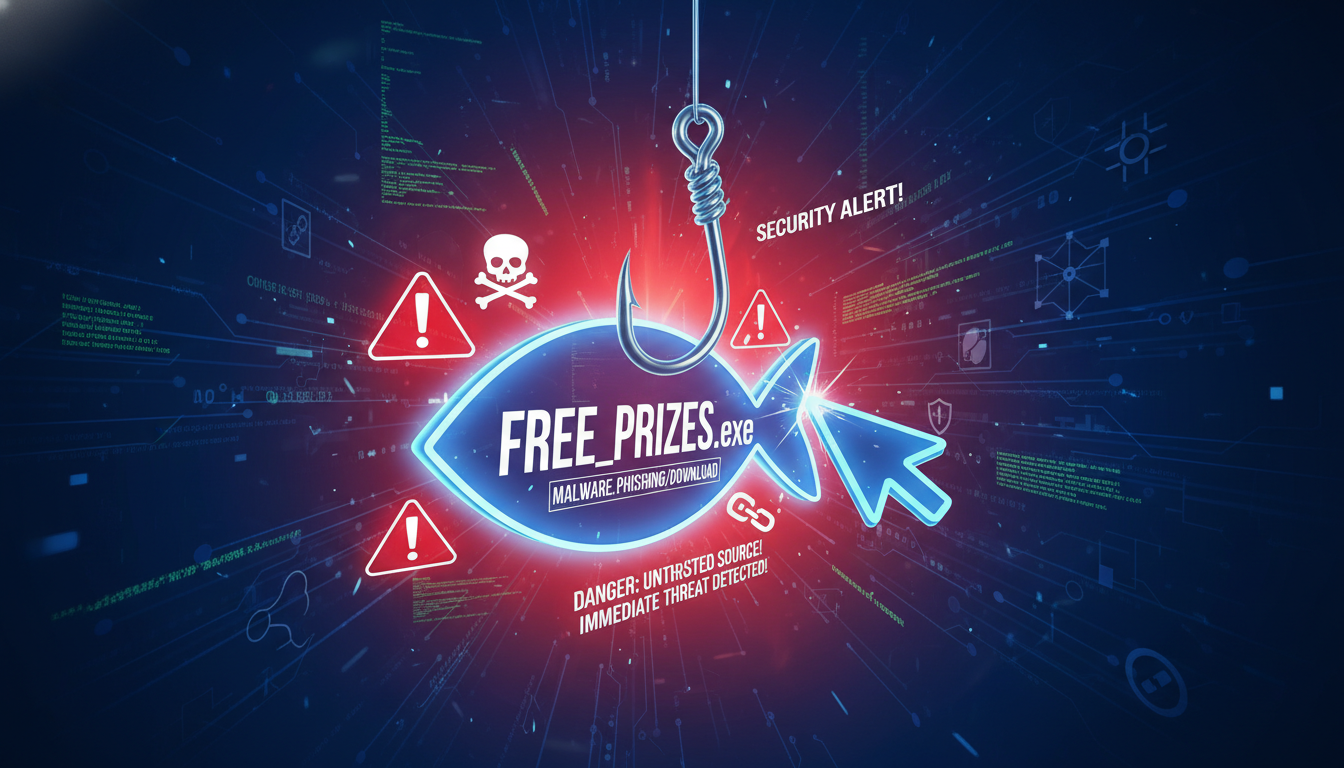
Scammers claim that the victim can receive free iPhones, iPads, or other gift options if they just click on a link. Once the victim clicks on a link, they are asked to fill out their personal information and also their financial information to pay a small “shipping fee” for this item. However, once you enter this information the scammer can then use this to steal a victim’s identity and life savings.
Work From Home Holiday Jobs
Scammers post fake work-from-home jobs on sites, such as Indeed and Upwork, and victims apply for these jobs thinking they are legit. A scammer then asks to do an interview via instant messaging and hires the victim right away. While this sounds simple enough, the scammers send the victims fake checks to get the supplies they need for their job. Scammers send more money than they promised on purpose so that the scammer can ask the victim to send the money back to them. Once the victim cashes the check and sends the scammer money, the bank contacts the victim and informs them that the check is fake. The victim is now responsible for paying the whole amount of the check back.
Supply Chain Shortages
Because the global pandemic has put stress on global travel, companies are having issues shipping their goods across borders. Because so much of what we buy on a daily basis comes from overseas, causing a supply chain shortage. this may make it difficult to get the products you have been looking for this holiday. Scammers may take this as an opportunity to put fake listings of goods on websites for products that you are having problems finding elsewhere and taking your money. These fraudulent listings can cost you a lot of money and lead to a lot of disappointments, that’s why it is important to run a reverse search on the seller of these goods before you make a purchase. Use the search bar below to run a deep search on anyone.
How to Avoid These Holiday Scams

- Don’t give out your personal information to someone you don’t know. Putting down your name and address on a website to get a package sent to your house is one thing. However, you shouldn’t give out your social security, date of birth, and other confidential information to anyone on the Internet. Also, before giving out essential information to have products shipped to your home, make sure the website is legit.
- Do your research on a website before purchasing anything on it. If you haven’t heard of a website and it looks outdated, this is a sign that you should check to make sure the website is real. You can do this by reviewing customer reviews on other websites, or using searches such as Google Transparency Report and the BBB.
- Don’t give out your financial information to anyone you don’t know on the Internet. The only exception to this rule is if you are purchasing something on a legit website after verifying if it is real and using a secure credit card check out form. If the website doesn’t have this and is requesting a wire transfer or gift card number instead, this is a red flag that you’re probably on a fake website.
- Do your research on the charity before giving your money to it. If there is no information on the charity you’re looking to donate to, then consider this a red flag.
- Always be cautious and do your research before accepting a work-from-home position. There are many fake work-from-home jobs that try and scam you out of your money. If you do your research on employee reviews for the top work-from-home companies, you will be less likely to be scammed.
- Check the sender’s name in the email address before believing in an email. Check and make sure the sender of the email seems legit, isn’t using Gmail or Yahoo! addresses, and doesn’t have any misspellings in the email.
- Don’t click on random links in the email if you don’t know where it’s from. What I usually do to be safe is I enter the link myself to prevent from getting scammed. If my favorite store is offering a discount, I will enter the website URL “socialcatfish.com” myself to see if there really is a discount. If an email is telling me to change my password, I will go then type in that website myself “amazon.com” to change the password.
Social Catfish is Here to Help You!
At Social Catfish, we want to help you verify the identities of those who might seem suspicious to you. If you have their name, email address, phone number, social media username, or image, you can reverse search and see who the suspected person was that you’ve been in contact with if you think you’ve been a victim of holiday scams.