
 Multiple Faces Detected


 March 24th, 2026
You found a profile. The location says she’s 4 miles away. The photos look real. The bio feels personal. And something about the whole thing makes you want to subscribe.
Before you do, read this.
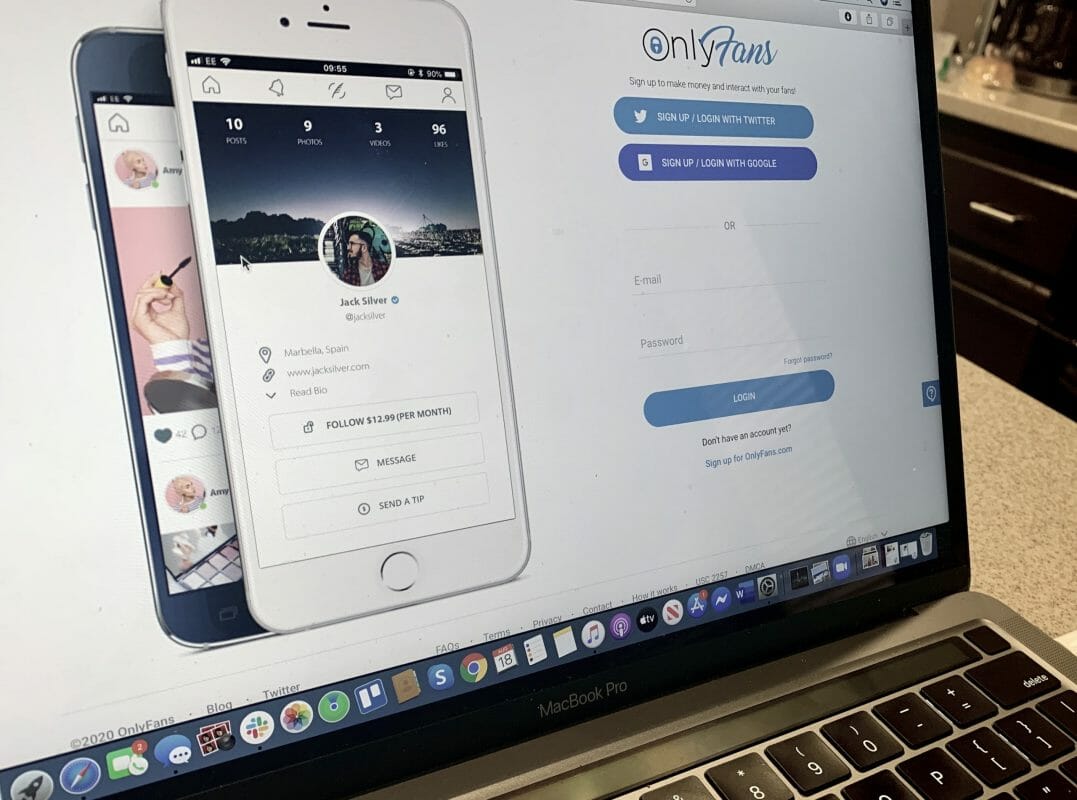
OnlyFans is home to a thriving community of legitimate creators. It is also home to a sophisticated scam ecosystem that has gotten very good at looking real. Fake accounts. Agency-run profiles pretending to be solo creators. Tinder profiles funneling people onto OnlyFans. And a location feature that sounds useful but is almost entirely unreliable.
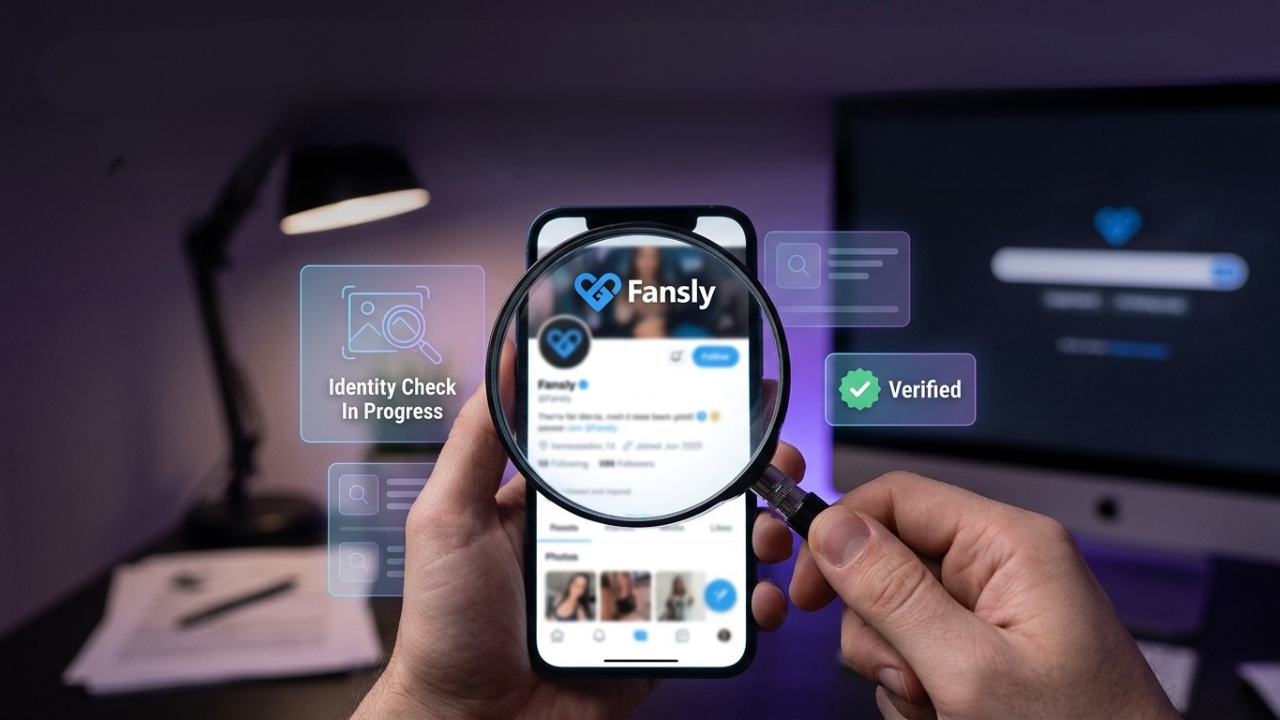
This guide covers all of it: how the location feature actually works, what “miles away” really means, whether creators can lie about their distance, and every major scam type you need to know before you spend a dollar. If you want to verify whether a profile is real right now, Social Catfish can run a full identity check using their photo, username, or phone number in seconds.
Is OnlyFans Location Accurate?
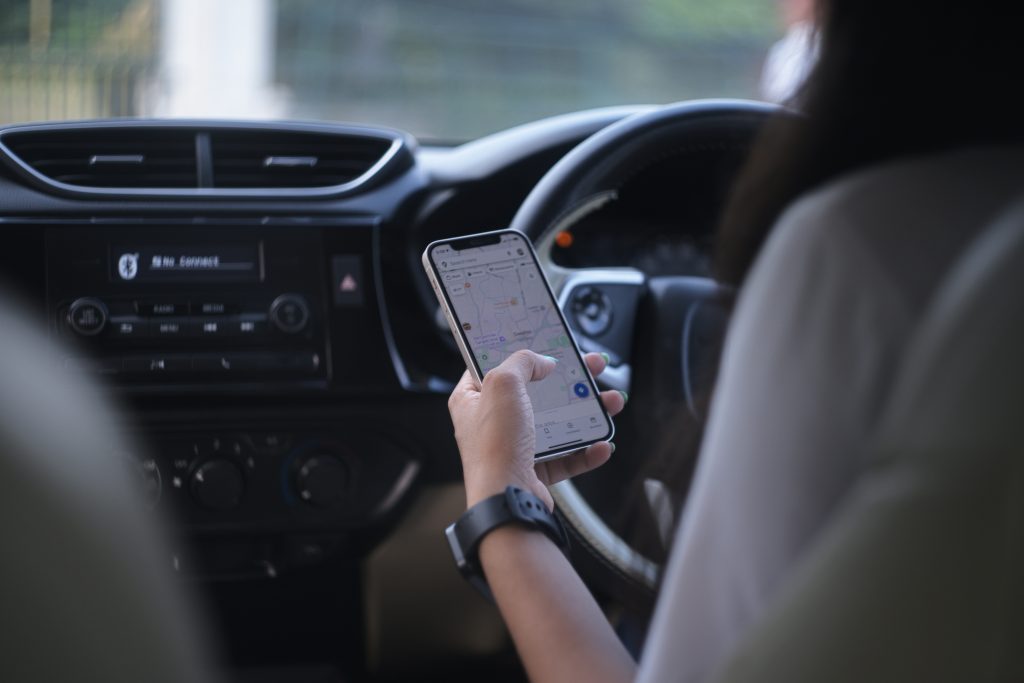
No. OnlyFans location is not accurate, and in most cases, it cannot be trusted at all.
Here is why. OnlyFans does not use GPS. It does not verify where a creator actually lives. When a creator sets up their profile, they manually type in whatever location they want. There is no check, no verification, no system to confirm they are telling the truth. A creator based in the Philippines can list themselves as “Los Angeles.” Someone in Romania can say they are in New York. The platform has no mechanism to catch or correct this.
There are several reasons creators misrepresent their location:
To attract more subscribers. Subscribers consistently engage more with creators they believe are nearby. Listing a major US city, such as New York, Los Angeles, or Miami, increases perceived accessibility and drives more paid subscriptions.
To appear more premium. Creators from lower-income countries often list themselves in high-income English-speaking countries to justify higher subscription prices and tip expectations.
Privacy protection. Some creators deliberately list a false location to prevent being identified or found in real life. This is understandable, but it still means the location shown is not real.
To run scams. Scammers specifically use false local location claims to build trust. “I’m just 3 miles from you” feels intimate. It makes the interaction feel more real. It is one of the most effective trust-building tactics in the OnlyFans scam playbook.
What Does “Miles Away” Mean on OnlyFans?
The “miles away” or “distance away” figure shown on OnlyFans profiles is calculated based entirely on whatever location the creator manually entered, not their actual physical location.
So when a profile says “5 miles away,” it means their listed location is approximately 5 miles from yours. It does not mean they live there, work there, or have ever been there. It does not update when they move. It does not reflect where they were when they last logged in. It is a static number based on self-reported data.
What does “nearby” mean on OnlyFans? “Nearby” is a relative label that OnlyFans applies to profiles whose listed location falls within a certain radius of yours. Again, this is based on what the creator typed, not where they actually are.
Is OnlyFans distance accurate? No. For all the reasons above, the distance shown is only as accurate as the creator’s honesty. Given that misrepresenting location is both easy and common, treat any distance figure on OnlyFans as unverified information.
Can You Lie About Your Location on OnlyFans?
Yes, completely. Nothing is stopping any creator from entering any location they choose. OnlyFans does not cross-reference profile locations against IP addresses, payment addresses, ID verification data, or any other source. Creators can also use VPNs to mask their actual IP address, adding another layer of location obfuscation.
The short answer: assume every OnlyFans location could be fabricated unless you have independently verified it through another source.
How to Tell If an OnlyFans Location Is Fake
You cannot trust what the profile says. But there are ways to get closer to the truth.
Check their social media. Most real local creators link their Instagram, Twitter, or TikTok. Look at their posts, do they tag local places? Do their photos show recognizable landmarks from the city they claim? Does the content feel like it comes from someone who actually lives there?
Look for metadata in photos. Photos taken on smartphones embed GPS data called EXIF data. Some tools can extract this. Be aware that most platforms strip this metadata automatically, but it is worth checking if you have direct access to original files.
Run a reverse image search. Upload their profile photo to Google Images or use Social Catfish’s reverse image search. If the same photos appear under a different name, a different location, or on a stock photo site, you are looking at a fake profile.
Use a people search tool. This is the most reliable method. Social Catfish pulls from real public records, not just what someone typed into a profile. You can search by username, phone number, email, or image and get a report showing where someone actually lives, what other accounts they run, and whether their identity checks out. Unlike OnlyFans location tools that just repeat whatever the creator entered, Social Catfish pulls from databases the creator has no control over.
Watch for these red flags:
- Location listed as a whole state or country rather than a specific city
- They mention local landmarks only after you bring them up first
- They are always active at odd hours for the time zone they claim
- They refuse or avoid any form of video verification
- Pressure to subscribe quickly with urgency tactics like “limited spots for local fans”
The Most Common OnlyFans Scams
Fake Accounts and Stolen Photos
This is the most widespread scam on the platform. Scammers create profiles using photos stolen from real creators, often smaller creators who won’t be recognized. They collect subscription fees and tips, then disappear. Sometimes they run multiple fake profiles simultaneously using the same stolen photos under different names and locations.
If you are suspicious, run their photos through a reverse image search immediately. A real creator’s photos should not appear under a different name anywhere else online.
OnlyFans Agency Scams
This one catches a lot of people off guard. You subscribe, thinking you are getting a personal, one-on-one connection with a specific creator. What you are actually getting is a chat with a paid employee at a content agency, someone hired to manage dozens of accounts at once and keep subscribers spending.
The creator in the photos may be real. But the person messaging you, sending voice notes, and asking for tips is not them. It is a stranger following a script designed to maximize how much money you spend.
OnlyFans agency scams are far more common than most subscribers realize. The platform does not prohibit this practice, and many large accounts operate this way.
The OnlyFans Tinder Scam
This scam starts on Tinder, Bumble, Hinge, or any other dating app. You match with someone attractive. The conversation feels natural. Then, fairly quickly, they mention their OnlyFans, often framed as “I’m just doing it on the side” or “it’s how I make extra money.” They encourage you to subscribe to see more.
In many cases, the Tinder profile is entirely fake, built specifically to funnel people onto a monetized OnlyFans account. The person you matched with does not exist. The photos are stolen. Once you subscribe, the goal is to extract as many tips and paid messages as possible before you figure it out.
Red flags: they bring up OnlyFans within the first few messages, the profile has very few photos, and they are reluctant to video call or meet in person.
The Guilt Trip Scam
A creator posts about going through a serious hardship, facing eviction, a medical emergency, or a family crisis. They appeal to their subscribers’ empathy, asking for tips or donations on top of the subscription fee. Fans who feel a genuine connection send money. The crisis was fabricated.
Fake Free Subscription Scams
You see an ad or a post promising free access to a premium account. You click the link and are taken to a page that looks like OnlyFans but is not. It asks for your payment information “to verify your age” or “to activate the free trial.” There is no free trial. The site exists to steal your card details.
Only ever access OnlyFans through onlyfans.com directly. Never click links from social media ads promising free subscriptions.
The False Promises Scam
A creator promises exclusive content, custom videos, or personal interactions to subscribers who tip above a certain amount. The tips come in. The content never does. They blame being busy, technical issues, or personal problems, and continue taking money without delivering anything.
The Customer Service Scam
Someone contacts you claiming to be OnlyFans support. They say there is a problem with your account, a billing issue, a verification requirement, or a security flag. They ask for your login credentials or payment details to resolve it. OnlyFans customer service will never contact you this way. Any message like this is a phishing attempt.
Real OnlyFans support emails end in @onlyfans.com. Any other domain is fake.
The VIP Scam
A creator offers a “VIP tier” outside the official OnlyFans payment system, usually through Venmo, Cash App, or cryptocurrency. They promise exclusive access, private content, or a personal relationship. Once the payment clears, they either disappear or produce nothing of value. Never pay for OnlyFans content outside the platform. Off-platform payments have no consumer protection and cannot be disputed.
How to Verify an OnlyFans Profile Before You Subscribe
Step 1 — Reverse image search their photos. Save their profile photo and run it through Google Images or Social Catfish’s image search. If the photo appears elsewhere under a different name, do not subscribe.
Step 2 — Check their linked social media. Real creators almost always have a presence elsewhere. Look at their Instagram or Twitter. Does the content match? Does it feel like a real person with a real life? Are there location tags that match their claimed location?
Step 3 — Look at their post history. A real creator has a consistent posting history. A scam account often has a burst of content uploaded at once with no organic history.
Step 4 — Run a full identity check. Social Catfish lets you search by username, email, phone number, or image and returns a full report with real name, location history, linked accounts, and any prior fraud reports. This is the most reliable way to know whether the person behind a profile is who they say they are.
Step 5 — Ask for verification before spending. Real creators won’t mind a quick video verification request. Scammers will always have a reason why they can’t do it.
What to Do If You’ve Been Scammed on OnlyFans
Stop all payments immediately. Cancel the subscription and do not send any further tips or off-platform payments.
Document everything. Screenshot the profile, all messages, payment receipts, and any communications. You will need this for disputes and reports.
Report the account to OnlyFans. Go to the profile, use the report function, and provide as much detail as possible including screenshots.
Dispute the charge with your bank or card provider. Contact them as quickly as possible. Explain that you were defrauded. Many banks will reverse charges for fraudulent transactions, especially if you act quickly.
File a report with the FTC. In the US, report to reportfraud.ftc.gov. This contributes to ongoing investigations into organized scam operations.
Run a background check. If you shared personal information with the scammer, use Social Catfish to find out who you were actually talking to. If they are running a larger operation, your report could help others.
Frequently Asked Questions
No. OnlyFans’ location is entirely self-reported. Creators can enter any location they choose, and the platform does not verify it. The distance shown on profiles reflects their listed location, not their actual physical location.
Yes, easily. There is no verification system. Creators can list any city, state, or country they want. Many do so either for privacy, to attract more subscribers, or as part of a scam.
It means the creator’s listed location is that many miles from yours. It does not mean they actually live or are currently located there. Treat it as unverified information.
Run a reverse image search on their photos, check their linked social media for consistency, and use a people search tool like Social Catfish to verify their actual identity against public records.
An agency scam occurs when a management company runs multiple creator accounts and uses hired employees to chat with subscribers instead of the actual creator. The person messaging you is not who you think they are.
The Bottom Line
OnlyFans location is not accurate. The distance shown is not real. And the platform has enough fake accounts, agency-run profiles, and active scams that going in without doing any verification is genuinely risky.
The good news is that most scams don’t survive basic scrutiny. A reverse image search, a quick social media cross-check, and a people search tool are enough to expose the majority of fake profiles before you spend anything.
If you want the fastest and most thorough verification available, Social Catfish can tell you exactly who is behind a profile’s real name, real location, and real identity before a scammer gets anywhere near your wallet.