
 Multiple Faces Detected



 March 4th, 2026
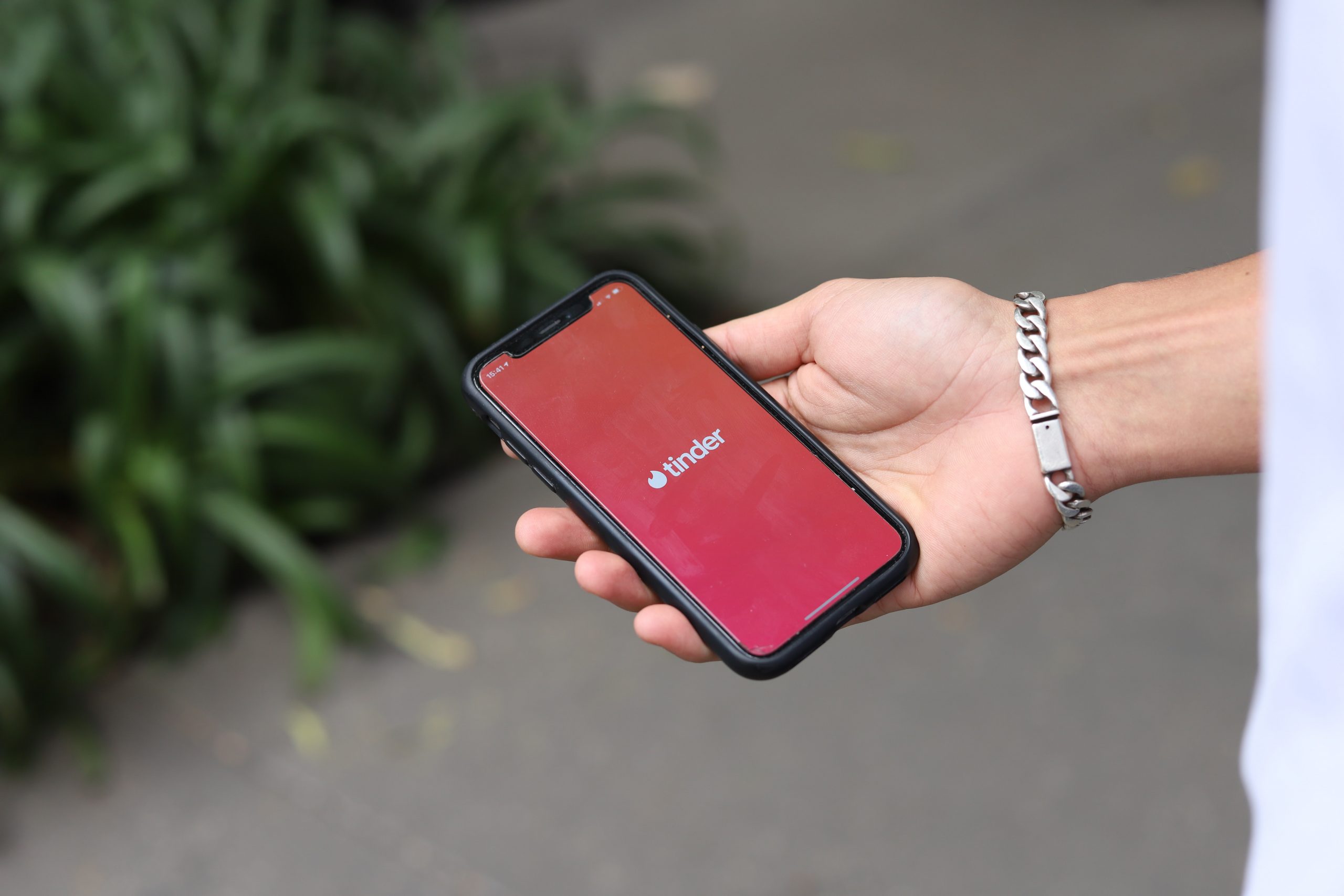
You matched with someone on a dating app. Their profile says they live twenty minutes away. The conversation feels real, the connection feels genuine, and yet something is slightly off. They never want to meet up. They always have an excuse. And when you suggest a spot near their listed neighborhood, they seem vague about the area.
There is a chance the person you are talking to is not anywhere near where their profile claims. GPS spoofing, the practice of faking a device’s location by feeding it false coordinates, is no longer a niche technical trick. It is a tool that scammers, catfishers, and bad actors use every day to appear local, trustworthy, and reachable when they are none of those things.
Understanding how GPS spoofing works, why people use it, and how to spot the signs can protect you from wasting time, money, and emotional energy on someone who was never where they said they were. A tool like Social Catfish can help you verify who you are really talking to, regardless of what their profile location says.
What Is GPS Spoofing?
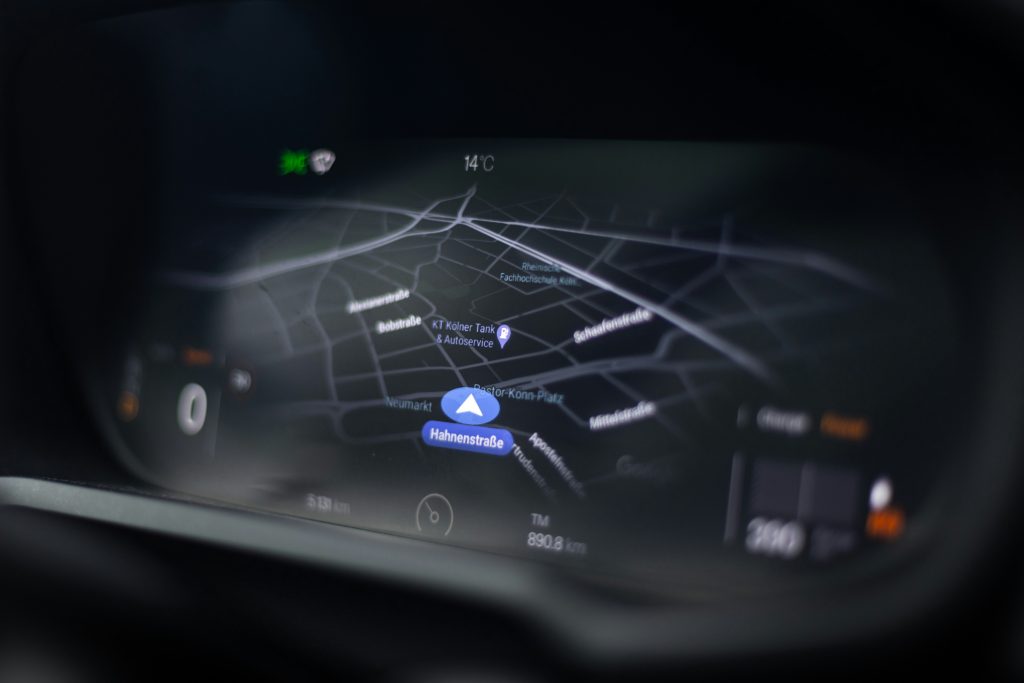
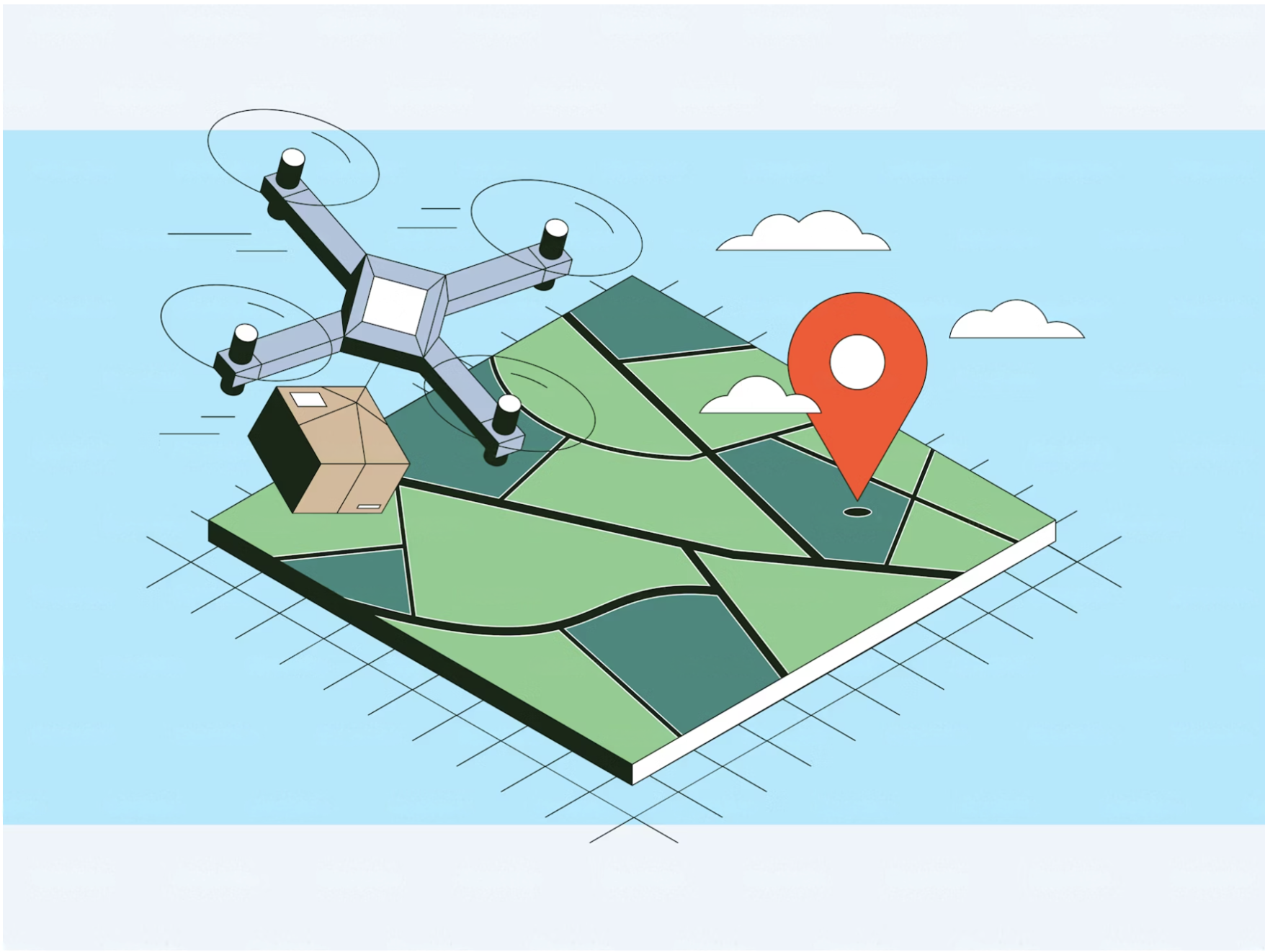
GPS spoofing is the act of deliberately falsifying the geographical location reported by a device. In simple terms, it tricks apps, platforms, and services into believing a phone is somewhere it is not.
Your device normally determines its location by communicating with multiple GPS satellites simultaneously. Based on how long signals take to travel from each satellite, it calculates your position with reasonable accuracy. GPS spoofing works by feeding your device a stronger, fake signal that overrides those real satellite transmissions, causing it to lock onto a false location instead.
There are two main ways this is done:
Software-Based Spoofing
This is the most common method for everyday users and scammers alike. A fake GPS app is installed on an Android device, which then feeds false location data to every other app on the phone. On Android, this is straightforward; the operating system includes a developer option called “mock locations” that allows any designated app to override the real GPS signal. Apps with names like Fake GPS Location, GPS Joystick, and Fly GPS are freely available, require no technical knowledge, and take minutes to set up.
On iPhone, software spoofing is harder without jailbreaking, but desktop tools like iAnyGo, iTools, and 3uTools allow a user to plug in their phone, select any location on a map, and have that fake location broadcast to every app on the device.
Hardware and Network-Based Spoofing
More sophisticated actors use VPNs, proxy servers, or hardware signal transmitters to manipulate both GPS and IP-based location data simultaneously. This level of spoofing is more commonly associated with organized fraud operations and is harder for the average person to detect.
Why Do People Fake Their Location?
Not every use of GPS spoofing is malicious. People use it to maintain privacy, to access geo-restricted content, or to play location-based mobile games like Pokémon Go from their couch. But in the context of dating apps and online relationships, the motivations are rarely innocent.
To Appear Local on Dating Apps
A study by Incognia found that 80% of tested dating apps request users to share their location, and 37% of those apps could be easily GPS spoofed. Half of the dating apps in North America could be spoofed using freely available GPS spoofing apps. This means a scammer operating from overseas can appear as a neighbor on Tinder, Hinge, Bumble, or any other location-based platform.
Appearing local is critical to the opening stages of a romance scam. A match who lives nearby feels more real, more accessible, and more trustworthy. It lowers your guard before you have had the chance to verify anything about them.
To Build False Trust in Pig Butchering Scams
In long-con investment schemes known as pig butchering, scammers spend weeks or months cultivating a relationship before introducing a fake investment opportunity. Faking a local or plausible location is one of the first trust-building moves. It makes their story consistent and their persona believable.
To Evade Detection
Romance scammers, according to the US Secret Service, frequently operate within organized overseas fraud rings. Faking a location in the target’s country makes it significantly harder for victims and law enforcement to identify where the scammer is actually operating from.
To Set Up Dangerous In-Person Encounters
GPS spoofing has also been used to manipulate dating app matches into traveling to locations the victim believes are near their match. This is one of the most dangerous applications, as it can put people in physical danger.
Red Flags That Someone May Be Faking Their Location
You do not need technical tools to start noticing the warning signs. These behavioral and conversational patterns are often the clearest indicators that something is wrong with someone’s stated location.
They Are Vague About Local Details
Someone who genuinely lives in a city knows it. They have opinions about neighborhoods, go-to restaurants, sports teams, traffic patterns, and local events. If your match is evasive, generic, or oddly uninformed about the area their profile claims, that is worth noting. Asking casual questions about local life without signaling that you are testing them can reveal a lot quickly.
They Always Have a Reason They Cannot Meet
The inability to meet in person is one of the most consistent hallmarks of both catfishing and romance scams. Common excuses include being deployed overseas, working on an oil rig, traveling for work, or dealing with a family emergency. These stories are designed to explain away the impossibility of an in-person meeting indefinitely.
Their Profile Location Does Not Match Their Area Code or Language
If a profile says someone lives in Chicago but their phone number has an international area code, or if their messages occasionally contain unusual phrasing or grammatical patterns inconsistent with a US-based native speaker, those are red flags worth investigating. A reverse phone search can tell you what location and carrier are associated with the number they are using to contact you.
Their Response Times Are Inconsistent with Their Time Zone
Someone claiming to be in Los Angeles who regularly sends messages at 3 AM local time and seems fully awake and alert may be operating from a completely different time zone. Pay attention to when messages come in and whether those patterns are consistent with the location they claim.
Video Calls Feel Off
Real-time face-swapping technology now allows scammers to conduct convincing live video calls using a different face. If your video calls feel slightly delayed, laggy, or robotic, or if the person’s face seems unusually still or unnaturally smooth, you may be seeing deepfake technology, not a real person in a real location. The backdrop in video calls can also be a clue: overly neutral, staged, or inconsistent backgrounds are worth questioning.
Their Location on the App Jumps Around
Some dating apps show general distance or update location periodically. If someone claims to be nearby but their listed distance fluctuates dramatically between conversations, appearing close one day and far the next, that inconsistency may indicate a GPS spoofing app being toggled on and off.
How to Verify Someone’s Real Location
Noticing red flags is one thing. Verifying them is another. Here are the most effective steps you can take, starting with the tools available on Social Catfish.
Reverse Image Search
- Scans billions of indexed images across the web to identify whether a profile photo appears under a different name or on other platforms
- Catches stolen or AI-generated photos that a scammer is using to build a fake local identity
- One of the fastest and most effective first checks available
Reverse Phone Search
- Reveals the real name, location history, and carrier associated with any phone number
- Surfaces social media profiles linked to that number
- Most useful, the moment someone asks to move a conversation off the app, the number they give you is one of the most reliable identity anchors you have
Reverse Address Search
- Confirms whether a claimed address or neighborhood actually matches the name and identity someone has given you
- Cross-references the address against public records and social media
- Especially useful when someone has shared a specific location to seem local and trustworthy
Reverse Email Search
- Cross-references an email address against social media profiles and public records
- Flags whether the same email address has been linked to other identities or scam reports
- Scammers frequently reuse email addresses across multiple schemes
Username Search
- Scans dozens of platforms simultaneously to map the full online presence tied to a username
- Identifies whether the same handle appears under a different identity elsewhere
- One of the most underused but effective verification steps available
Name Search
- Cross-references public records, court records, and social media to verify whether a claimed name, profession, and location are consistent
- Useful even when a photo search returns no results
- Catches inconsistencies between a person’s story and verifiable records
Other Ways to Verify
Beyond Social Catfish, there are a few additional checks worth running:
- Ask for a live, unscripted video call. Request that your match hold up a specific number of fingers, write your name on paper, or point to something in their environment on camera. Real-time, spontaneous requests are hard to fake even with deepfake technology. A genuine person will do this without hesitation.
- Check their area code. If their phone number has an international area code but their profile claims a US city, that inconsistency alone is a red flag.
- Test their local knowledge. Ask casual questions about their neighborhood, nearby restaurants, or local events. Someone who actually lives where they claim will answer naturally and specifically.
- Watch for time zone inconsistencies. If someone claims to be on the West Coast but is consistently active and alert at 3 AM local time, they may be operating from a different time zone entirely.
Frequently Asked Questions
It depends on how it’s used. In the US, using GPS spoofing to deceive or defraud someone is illegal under federal signal interference laws. Using a fake GPS app to appear local on a dating app while running a scam is clearly illegal. Casual use for gaming or privacy sits in a greyer area depending on the jurisdiction.
Most can’t reliably. A study by Incognia found that 37% of dating apps that requested location data could be easily spoofed using freely available apps. Some platforms are beginning to cross-reference GPS with Wi-Fi signals and cell tower data, but many remain vulnerable.
Not on its own. A VPN changes your IP address but not your actual GPS signal. To fake GPS specifically, a dedicated spoofing app or desktop tool is also needed. Sophisticated scammers typically use both together.
No single check is definitive, but combining a reverse phone search, reverse image search, and name search through Social Catfish gives you the most complete picture. Inconsistencies across multiple checks are far more revealing than any one data point alone.
Watch for vagueness about local landmarks, restaurants, or neighborhoods. Cross-reference their phone number with a reverse lookup to see if the area code matches their claimed city. If their story and their verifiable details don’t line up, something is off.
The Bottom Line
GPS spoofing has made it easier than ever for someone to appear to be exactly where you want them to be nearby, reachable, and real while operating from the other side of the world. The technology is free, widely available, and takes minutes to set up. For scammers, it is one of the first tools deployed to build the kind of false proximity that makes a fake relationship feel plausible.
The good news is that a faked location is rarely the only thing that gives a scammer away. The inconsistencies accumulate in their knowledge of the area they claim to be in, in their availability, in their reluctance to meet, and in the results of a reverse image or phone search. Paying attention to those inconsistencies early and verifying before you trust is the most effective protection available.
If something feels off about where someone says they are, trust that instinct. Run a search on Social Catfish before the relationship goes any further. Location can be faked. A thorough identity check is much harder to fool.