
 Multiple Faces Detected


 February 11th, 2026
The phone rings. You answer, and it’s your grandson’s voice, panicked, desperate, explaining he’s been arrested and needs bail money immediately. The voice sounds exactly like him. Every inflection, every tone, every speech pattern matches perfectly. You wire the money to help. But your grandson was never arrested. You just heard an AI-generated voice clone created from just a few seconds of audio that scammers found online.
According to the FBI, cyber criminals are increasingly using AI-powered voice cloning techniques to impersonate trusted individuals such as family members, coworkers, or business partners. These AI text-to-speech tools have become so sophisticated that family members can’t distinguish between real voices and AI-generated imitations. Scammers are exploiting this technology to impersonate loved ones, executives, authority figures, and trusted individuals in devastating fraud schemes.
Social Catfish helps you verify identities and phone numbers through comprehensive verification tools that confirm who’s really calling before you send money or share sensitive information. Understanding how AI voice cloning works and recognizing the red flags protects you and your family from these emotionally manipulative scams.
What Is AI Text-to-Speech Voice Cloning?
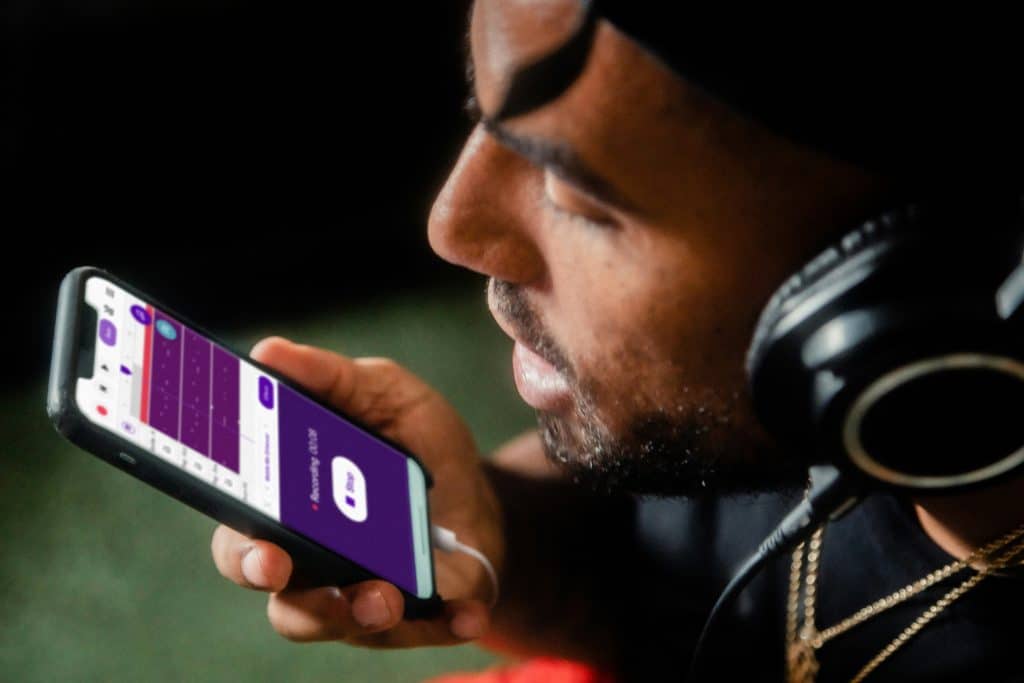
AI text-to-speech voice cloning technology uses artificial intelligence to analyze and replicate someone’s voice, creating audio that sounds exactly like them saying anything the scammer types.
How AI Voice Cloning Works
The technology analyzes a short audio sample as brief as 3 seconds and learns speech patterns, tone, accent, inflections, and vocal characteristics. Once trained, the AI generates new audio of that person saying anything by typing text into the program.
Where Scammers Get Voice Samples
Scammers find voice samples from social media videos, YouTube videos, and podcasts, voice messages on social platforms, TikTok or Instagram content, video calls or recordings, and public speaking engagements. Just a few seconds of clear audio is enough for AI to clone a voice convincingly.
How Easy Voice Cloning Has Become
Free and low-cost AI tools make voice cloning accessible: ElevenLabs, PlayHT, and Murf.ai offer voice cloning features with free trials, requiring no technical skills. Simple text input generates audio, and real-time voice changing allows live phone call impersonation.
Common AI Voice Cloning Scams
Grandparent Scam (Family Emergency)
How It Works: Scammers call elderly victims using a voice clone of their grandchild, claiming to be arrested, in an accident, or stranded, requiring immediate money.
Why It Works: Hearing their grandchild’s actual voice creates emotional urgency and bypasses skepticism.
The Request: Wire transfers, gift cards, cryptocurrency, or cash pickup are always untraceable payment methods.
CEO Fraud and Business Email Compromise
How It Works: Using voice clones of CEOs or executives, scammers call finance departments or IT staff requesting urgent wire transfers or confidential information.
Why It Works: Employees recognize their boss’s voice and comply with urgent requests conveying authority and pressure.
The Impact: Companies lose millions when employees wire funds based on voice-cloned calls.
Romance Scam Voice Messages
How It Works: After establishing online relationships, scammers send voice messages using cloned voices matching their fabricated identity.
Why It Works: Hearing a voice makes relationships feel more real, reducing victim skepticism.
The Evolution: Voice clones help scammers avoid video calls while providing “proof” they’re real.
Tech Support and Government Impersonation
How It Works: Using voice clones of authority figures, scammers call claiming to be from IRS, Social Security, Microsoft, or banks, demanding immediate payment or information.
Why It Works: Professional-sounding voices with appropriate accents create legitimacy and fear.
Kidnapping and Extortion Scams
How It Works: Scammers call claiming to have kidnapped a family member, playing AI-generated audio of the person crying or begging using their cloned voice.
Why It Works: Hearing your loved one’s voice in distress creates immediate panic and bypasses rational thinking.
The Reality: The family member is safe, but victims pay thousands before discovering the truth.
Red Flags of AI Voice Cloning
Unnatural Pauses or Pacing
Listen for odd pauses between words, robotic rhythm, lack of natural speech flow, and perfectly even pacing without natural variation. Real human speech has irregular timing.
Emotional Incongruity
Watch for emotions that sound acted, tone that doesn’t match message urgency, lack of natural emotional progression, and crying that sounds artificial. AI struggles with authentic, nuanced emotions.
Background Noise Inconsistencies
Notice complete silence or generic background noise, lack of environmental sounds matching claimed location, artificial-sounding backgrounds, and abrupt ambient sound changes.
Breathing and Natural Sounds
Listen for absence of natural breathing, throat clearing, lips smacking, and hesitations. Real human speech includes these unconscious sounds; AI voices are too clean.
Repetitive Phrases or Unnatural Language
Be suspicious of oddly formal language, phrases that don’t match how the person normally speaks, lack of personal details, and generic descriptions.
Refusal to Answer Specific Questions
AI voices delivering pre-generated messages can’t answer unexpected questions, provide specific details, respond to interruptions naturally, or engage in back-and-forth conversation.
Too-Perfect Voice Quality
AI voices sometimes sound too clear with perfect audio quality, like professional recordings rather than phone calls, unnaturally balanced without normal phone distortion, and studio-quality when claiming difficult situations.
How to Protect Yourself from Voice Cloning Scams
Establish Family Verification Protocols
Create code words or security questions with family members: secret phrases only you know, specific questions about shared memories, challenge-response verification, and call back using known phone numbers.
Verify Through Independent Channels
Never act on urgent voice calls alone. Hang up and call back using verified phone numbers, contact the person through different methods, verify with other family members, and check social media or text directly.
Use Phone Number Verification
Before acting on calls requesting money, use Social Catfish’s phone number lookup to verify the caller’s identity, location, and whether the number is associated with scam operations.
Question Urgency and Pressure
Slow down despite pressure claims, take time to verify before acting, remember legitimate emergencies allow verification time, and don’t let emotional manipulation override careful thinking.
Limit Voice Samples Online
Reduce vulnerability by being cautious about posting videos with clear audio, using privacy settings on social media, limiting who can see content with your voice, and being aware any public audio can be cloned.
Ask Specific Personal Questions
When suspicious, ask questions only the real person would know: childhood memories or inside jokes, recent specific conversations, details about family or shared experiences, and information not available online.
Trust Your Instincts
If something feels off about the voice, trust your gut, verify through other channels, don’t let pressure override instincts, and remember scammers count on emotional manipulation.
How Social Catfish Helps Verify Callers

Phone Number Verification
Social Catfish’s phone number lookup reveals if the number connects to the claimed identity, is a VoIP or spoofed number used in scams, and has been reported in other fraud operations.
Identity Verification
Social Catfish’s name and background verification confirm whether the person claiming to need help actually exists where they claim and matches the identity being impersonated.
Scam Pattern Recognition
Social Catfish identifies patterns common in voice cloning scams, helping you recognize tactics even when the voice sounds convincing.
What to Do If You Receive a Suspicious Call
Hang up and take time to think, regardless of urgency. Call the person back using a known number, text them directly, and contact other family members to verify. Use Social Catfish to verify the phone number before taking action. Report to the FBI IC3 at ic3.gov, the FTC at ReportFraud.ftc.gov, and your phone carrier.
Frequently Asked Questions
As little as 3 seconds of clear audio. Any video, voice message, or recording can provide enough material for AI to clone someone’s voice convincingly.
Sometimes, but AI is improving rapidly. Use Social Catfish to verify identities through phone lookup and background checks rather than trusting voices alone.
Hang up, call the family member directly using a known number, verify through other family members, and use Social Catfish’s phone verification before sending money.
No. Any audio you post online can be cloned. Limit who can see content with your voice and be aware of the risk.
Establish code words for emergencies, educate them about voice cloning technology, set up verification protocols, and use Social Catfish to verify suspicious calls together.
Conclusion
AI text-to-speech voice cloning has made voice impersonation scams devastatingly effective. Scammers can create perfect replicas of your loved ones’ voices from just seconds of audio, exploiting emotional connections to steal money through fake emergencies, business fraud, and authority impersonation.
Protection requires moving beyond trusting familiar voices to verification through independent channels. Establish family code words, verify through multiple methods, and use Social Catfish’s phone verification and identity checking tools to confirm who’s really calling before acting on urgent requests.
Don’t trust voices alone. Verify through Social Catfish, slow down despite pressure, and remember: in the age of AI voice cloning, hearing isn’t believing. Verification is everything.