Multiple Faces Detected



 February 9th, 2026
Text messages used to be a reliable form of communication, brief, personal, and typically trustworthy. But artificial intelligence has transformed text messaging into a powerful tool for scammers who use AI text message generators to create convincing fake messages at scale, manipulating victims into sharing personal information, sending money, or clicking malicious links.
According to the FBI’s Internet Crime Complaint Center, phishing scams, which increasingly involve fraudulent text messages, resulted in over $470 million in losses in 2024, with complaints numbering over 193,000. AI text message generators have made these scams more sophisticated, personalized, and difficult to detect than ever before.
Scammers no longer need to manually craft messages or struggle with language barriers. AI tools generate grammatically perfect, contextually appropriate, and emotionally manipulative texts instantly. Social Catfish helps you verify suspicious messages and identities through reverse phone number lookup, scam detection, and comprehensive verification tools that expose fraud before you become a victim.
What Is an AI Text Message Generator?
An AI text message generator is a tool powered by artificial intelligence, typically using large language models like ChatGPT, Claude, or similar technology that creates human-like text messages based on prompts or parameters.
Legitimate Uses of AI Text Generators
AI text generators have many legitimate applications:
- Businesses automate customer service responses
- Marketing teams create personalized outreach at scale
- Developers test messaging apps with realistic sample data
- Writers overcome creative blocks with AI assistance
- Individuals use AI to draft professional communications
How Scammers Exploit AI Text Generators
Scammers weaponize the same technology to:
- Generate thousands of personalized phishing messages instantly
- Create grammatically perfect texts in any language
- Adapt messages based on victim profiles and responses
- Automate romance scams and financial fraud
- Impersonate banks, government agencies, and trusted companies
- Craft emotionally manipulative messages that exploit psychological triggers
The accessibility and power of AI text generators have democratized sophisticated scamming, allowing even unsophisticated criminals to create professional-quality fraud.
How AI Text Message Generators Work
Understanding the technology helps you recognize when you’re dealing with AI-generated fraud.
Large Language Models
AI text generators use large language models trained on billions of text examples from the internet. These models learn patterns of human communication and generate new text that mimics natural language convincingly.
Prompt-Based Generation
Scammers input prompts like:
- “Write an urgent text from a bank warning about suspicious account activity”
- “Create a romantic message from someone who’s falling in love”
- “Generate a government agency message about tax problems requiring immediate action”
The AI produces messages that sound authentically human, complete with appropriate tone, urgency, and emotional manipulation.
Personalization at Scale
AI can analyze victim data scraped from social media, data breaches, or purchased lists and generate personalized messages for thousands of targets simultaneously, referencing specific details that make scams more believable.
Conversational Adaptation
Advanced AI text generators don’t just create one message; they maintain context across conversations, remembering previous exchanges and adapting responses based on victim reactions, creating the illusion of genuine human interaction.
Common Scams Using AI Text Message Generators
Scammers deploy AI-generated texts across multiple fraud types.
Smishing (SMS Phishing)
AI generates texts impersonating:
- Banks: “Suspicious activity detected. Click here to verify your account immediately”
- Delivery services: “Package delivery failed. Update address at [malicious link]”
- Government agencies: “IRS Notice: You owe back taxes. Respond within 24 hours to avoid legal action”
- Tech companies: “Your Apple ID has been compromised. Reset your password now”
These messages include urgent language, official-sounding terminology, and links to fake websites that steal credentials.
Romance Scams
AI text generators help scammers:
- Create emotionally engaging messages that build romantic connections
- Maintain consistent personalities and backstories across conversations
- Generate hundreds of personalized messages to multiple victims
- Adapt emotional tone based on victim responses
- Create believable excuses and elaborate stories
Victims believe they’re texting a real person falling in love when they’re actually conversing with AI.
Fake Job Offers
AI generates professional-looking job opportunity texts:
- Personalized based on LinkedIn profiles and resumes
- Using proper business language and terminology
- Creating legitimate-sounding company names and positions
- Including salary ranges and benefits that seem attractive
These scams lead to identity theft, advance fee fraud, or money mule schemes.
Investment and Cryptocurrency Fraud
AI creates sophisticated investment pitch messages:
- Personalized based on financial interests and social media activity
- Using technical terminology that sounds credible
- Referencing real market trends and news
- Building trust through consistent, knowledgeable communication
Victims invest in fake cryptocurrency platforms or fraudulent investment schemes.
Emergency Family Scams
AI generates urgent texts appearing to come from family members:
- “Mom, I lost my phone. This is my new number. Need money urgently”
- “Dad, I’m in trouble and need help immediately. Can you send $500?”
These exploit family bonds and create panic that prevents careful verification.
Two-Factor Authentication (2FA) Bypass
Scammers use AI to craft convincing texts requesting:
- Verification codes sent to your phone
- One-time passwords for “security updates”
- Confirmation of suspicious login attempts
These messages trick victims into sharing codes that give scammers access to accounts.
Red Flags of AI-Generated Text Message Scams
AI-generated texts are more sophisticated than traditional scams, but they still have warning signs.
Too Perfect Language
While traditional scammers make grammar mistakes, AI-generated texts are suspiciously flawless:
- Perfect grammar and spelling
- Overly formal or unnaturally polished language
- Lack of personal quirks, typos, or casual errors that characterize real human texting
- Generic yet professional tone that lacks genuine personality
Urgent Pressure Tactics
AI-generated scam texts create artificial urgency:
- Threats of account closure or legal action
- Claims of limited-time opportunities
- Demands for immediate response or action
- Warnings of dire consequences for inaction
Legitimate organizations rarely communicate urgent matters exclusively through text.
Suspicious Links and Phone Numbers
Look closely at:
- URLs that don’t match official company websites
- Shortened links (bit.ly, tinyurl) hiding true destinations
- Phone numbers that don’t match official company numbers
- Requests to click links before explaining the issue clearly
Requests for Sensitive Information
Legitimate companies never text requesting:
- Passwords or PINs
- Social Security numbers
- Full credit card information
- Account verification through text links
- One-time authentication codes
Mismatch with Expected Communication
Be suspicious when:
- You receive texts about accounts you don’t have
- Services you don’t use contact you unexpectedly
- Government agencies reach out via text for serious matters
- Banks request sensitive actions through text messages
Generic Greetings
AI-generated texts often use:
- “Dear Customer” instead of your actual name
- “Valued Member” or other impersonal greetings
- Generic salutations that could apply to anyone
While personalization is improving, many AI scam texts still use generic openings.
How to Verify Suspicious Text Messages
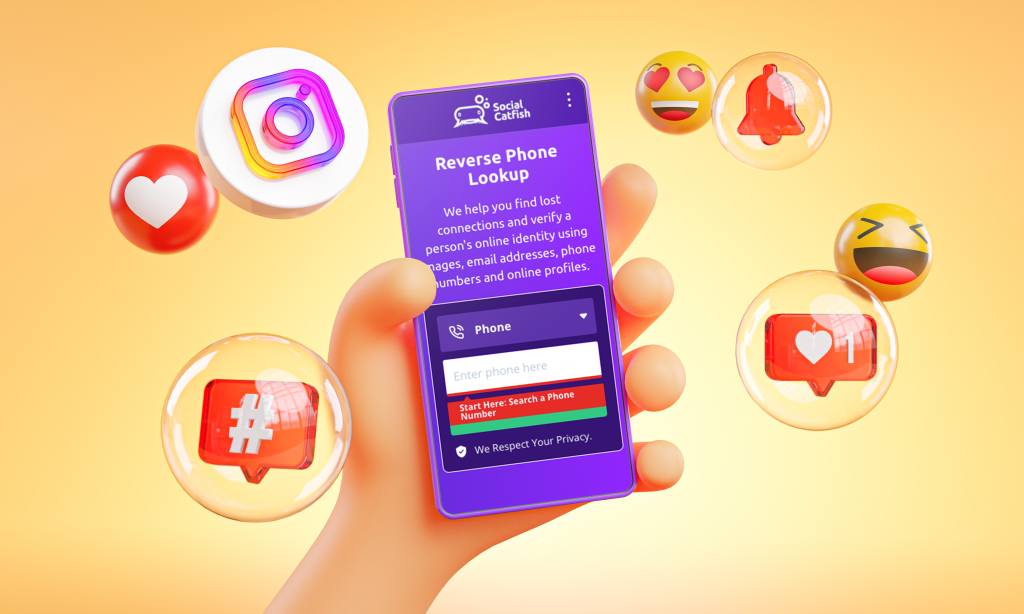
Don’t trust text messages at face value; verify before acting.
Use Reverse Phone Lookup
Enter the sender’s number into Social Catfish’s phone number lookup to:
- Verify if the number belongs to the claimed organization
- Check if it’s a VoIP or spoofed number commonly used in scams
- See if the number is associated with known scam operations
- Find other complaints about the number online
Contact Organizations Directly
Never use contact information provided in suspicious texts. Instead:
- Look up official phone numbers or websites independently
- Call the organization directly using numbers from their official site
- Ask if they sent the message
- Report the suspicious text to their fraud department
Examine Links Before Clicking
Before clicking any link:
- Hover over links (if viewing on computer) to see true destination
- Check for misspellings in URLs (like “amaz0n” instead of “amazon”)
- Verify the domain matches the official company website
- Never enter credentials on sites reached through text links
Search the Message Content
Copy suspicious message text and search it online. Often, identical or similar scam messages have been reported by other victims on forums, scam databases, or social media.
Verify Through Social Catfish
Use Social Catfish’s comprehensive verification tools:
- Phone number lookup to verify sender identity
- Reverse image search if the text includes photos
- Background checks on people claiming emergencies
- Email verification for follow-up communications
Trust Your Instincts
If a text message:
- Creates panic or urgency
- Seems too good to be true
- Comes unexpectedly about serious matters
- Requests unusual actions
Trust your gut feeling that something’s wrong and verify through independent channels before responding.
Frequently Asked Questions
AI-generated texts often have suspiciously perfect grammar, overly formal language, and lack personal quirks or typos that characterize real human texting. Use Social Catfish’s phone number lookup to verify the sender’s identity and check if the number is associated with known scam operations.
Don’t click any links or respond. Use Social Catfish to verify the phone number, contact the organization directly using official contact information, and report the text to your carrier by forwarding it to 7726 (SPAM).
Yes, scammers use AI to analyze social media and create texts that sound like family members or friends. Always verify emergency texts by calling the person directly using a known phone number, not the number the text came from.
Not always, but be cautious. Legitimate businesses may text from unknown numbers, but they won’t request sensitive information, demand urgent action, or include suspicious links. Verify through Social Catfish’s phone lookup before responding.
AI-generated texts have perfect grammar, personalized content, and natural language, while traditional phishing texts often have spelling errors and generic messages. Both are dangerous—verify all suspicious texts through independent channels before taking action.
What to Do If You’ve Responded to a Scam Text
If you’ve already engaged with a fraudulent text, take immediate action.
Stop Communication
Don’t respond further. Block the number immediately and delete the conversation thread.
Secure Your Accounts
If you clicked links or shared information:
- Change passwords immediately on affected accounts
- Enable two-factor authentication
- Monitor accounts for unauthorized activity
- Contact your bank if financial information was shared
Report the Scam
File reports with:
- FBI IC3 at ic3.gov
- FTC at ReportFraud.ftc.gov
- Your phone carrier (forward to 7726/SPAM)
- The organization being impersonated
Document Everything
Save screenshots of:
- The suspicious text messages
- Any links or phone numbers
- Your interactions
- Financial transactions if money was sent
Monitor for Identity Theft
Watch for signs your information is being misused:
- Unexpected account activity
- New accounts opened in your name
- Credit report changes
- Unusual bills or charges
Use Social Catfish to monitor if your information appears in data breaches or scam operations.
Conclusion
AI text message generators have revolutionized online scams by enabling criminals to create grammatically perfect, emotionally manipulative, and highly personalized messages at unprecedented scale. These tools make phishing texts more convincing, romance scams more believable, and fraud more difficult to detect.
The key to protection is verification before action. Never trust unexpected text messages requesting sensitive information, urgent action, or financial transactions. Social Catfish provides the verification tools you need: phone number lookup, background checks, and comprehensive identity verification to expose scams before you become a victim.
When you receive suspicious texts, verify through independent channels, use reverse phone lookup to check sender legitimacy, and trust your instincts when something feels wrong. AI may have made text scams more sophisticated, but careful verification still exposes fraud every time.