
 Multiple Faces Detected



 January 21st, 2026
You get a call from your daughter. She’s crying. There’s been an accident. She needs money. Now.
You don’t hesitate. You send $15,000.
Then you call her back. She answers confused. She’s fine. She never called.
That’s not science fiction. It happened in Florida in 2025. The voice wasn’t real. It was AI. And scams like this are spreading fast.
AI scams are getting smarter, faster, and harder to spot. In 2026, criminals are using deepfake videos, cloned voices, and fake websites to trick people out of thousands of dollars. The FBI reports that AI-powered fraud is now among the fastest-growing crime categories. By 2027, global losses from scams in AI could hit $40 billion.
You need to know what’s coming. Here’s what to watch out for.
What Are AI Scams and Why Are They Exploding?

AI scams use artificial intelligence to create fake voices, videos, and identities. Criminals use these tools to impersonate people you trust. Your boss. Your family. Your bank.
Why now? The tools are cheap. Easy to use. And shockingly convincing.
In 2024, voice cloning only needed a few seconds of audio. By 2026, attackers can clone your voice from a TikTok video or a voicemail. Some major retailers report receiving over 1,000 AI-generated scam calls per day. That’s not a glitch. That’s the new normal.
Deepfake Voice Cloning: The Emergency Call You Can’t Trust
Voice cloning is the most dangerous weapon scammers have right now. They can fake anyone.
Here’s how it works. Scammers find your voice online. Maybe it’s from a YouTube video, Instagram reel, or even a work meeting posted publicly. They feed that audio into an AI tool. Three seconds is all it takes.
Then they call your parents. Or your spouse. Or your coworkers. And they sound exactly like you.
One study found that one in four people had experienced an AI voice cloning scam or knew someone who had. 77% of victims lost money. Some lost over $15,000.
How to Spot a Voice Clone Scam
Watch for these red flags:
- Urgency. The call demands you act now. No time to think. No time to verify.
- Emotional manipulation. They’re hurt. In trouble. Scared. Desperate.
- Requests for untraceable payments. Gift cards. Wire transfers. Crypto.
- Background noise or pauses. Sometimes the AI glitches. Listen carefully.
If someone calls asking for money, hang up. Call them back directly using a number you know. Don’t trust the number on your caller ID. Scammers can spoof phone numbers to look legitimate.
Deepfake Videos: Your CEO Never Sent That Message
Voice isn’t the only target. Video is next.
In 2024, a finance worker at a multinational company joined a video call with what he thought were executives. Everyone on the call looked real. They sounded real. He transferred $25 million.
Every person on that call was a deepfake.
By 2026, deepfake video tools can mimic faces, expressions, and even body language in real time. Scammers use publicly available footage from conferences, webinars, and social media to train their AI models. Then they create fake instructions that appear to come from your boss or company leadership.
This type of scam is called Business Email Compromise 2.0, or BEC. And it’s hitting corporations hard.
Protect Yourself from Video Deepfakes
- Verify through a second channel. If your boss asks for a wire transfer, call them back on a known number.
- Watch for glitches. Lips out of sync. Odd blinking. Unnatural pauses.
- Set up dual approval protocols. No single person should be able to authorize large transactions.
- Use a code word. Agree on a secret word with family and coworkers for emergencies.
AI-Generated Phishing Sites: They Look Real Because AI Built Them
Fake websites used to be easy to spot. Typos. Bad design. Broken links.
Not anymore.
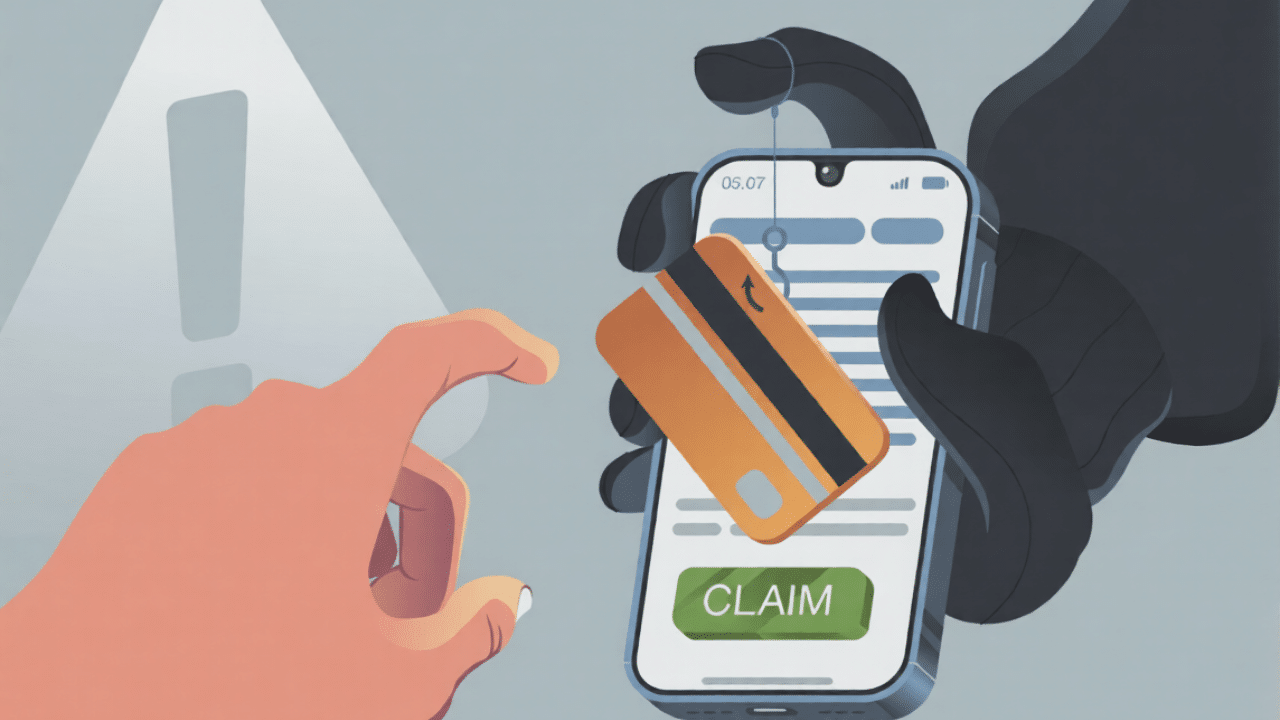
AI website builders can now create professional-looking phishing sites in minutes. Norton researchers found over 580 new malicious AI-generated websites appearing every day worldwide. These sites clone banks, delivery services, and tech support pages. They steal your login credentials. Your payment info. Your identity.
Common targets include:
- Fake Coinbase and crypto logins
- Fake DHL or UPS delivery pages
- Fake Microsoft Office 365 portals
- Fake tech support sites
Social Catfish helps you verify suspicious links and websites before you click. Run a reverse image search or URL check to see if the site is legitimate.
How to Avoid Phishing Scams
- Double-check URLs. Look for small spelling changes like “coiinbase” instead of “coinbase.”
- Don’t click links in unsolicited texts or emails. Go directly to the official app or website.
- Enable multi-factor authentication (MFA). Even if your password is stolen, MFA adds another layer of protection.
- Use reverse phone lookup tools. Verify the number before you respond.
If you get a suspicious message, learn how to tell if a phone number is real before you engage.
Romance Scams with AI: The Deepfake Boyfriend Who Isn’t Real
Romance scams have always been big business for criminals. In 2024, losses from romance scams topped $1.3 billion. Now AI is making them even more convincing.
Scammers use AI chatbots to hold consistent, natural conversations 24/7. They never get tired. Never forget details. And now they can send you a deepfake video “proof” that they’re real.
Victims report video calls where the person on screen looks real but is actually a deepfake generated from stolen photos. The person smiles, nods, and reacts in real time. It feels authentic.
But it’s not.
These scams in AI play out slowly. The scammer builds trust over weeks or months. Then the requests start. Small at first. Then bigger. Medical emergency. Business opportunity. Travel costs. Each time, there’s a reason why you can’t meet in person.
Social Catfish specializes in uncovering romance scams. Our reverse image search and background checks can verify if the person you’re talking to is who they claim to be. We help you search dating profiles and find hidden profiles on social networks before you invest your heart or your money.
Red Flags in AI-Enhanced Romance Scams
- They avoid in-person meetings.
- They make constant excuses for why they can’t video chat (or only do short, scripted calls).
- Financial requests escalate over time.
- Their photos don’t appear anywhere else online, or they appear on multiple unrelated profiles.
Run a reverse image search on their photos. Check if they’re on dating sites using their phone number or email. Don’t send money to someone you’ve only met online.
How Social Catfish Protects You from AI Scams

AI scams rely on fake identities. Social Catfish exposes them.
Whether it’s a fake video chat, a suspicious phone number, or a romance scammer using stolen photos, we give you the tools to verify who’s really on the other end.
Our platform offers:
- Reverse phone lookup to trace unknown callers
- Reverse image search to verify photos and identities
- Dating profile searches to uncover hidden accounts
- Email and username searches to find connected social media profiles
- Background checks to verify someone’s real identity
Start your search today and protect yourself from the next wave of AI scams.
Stay One Step Ahead of AI Scams
AI scams aren’t going away. They’re getting better.
But you don’t have to be a victim. Slow down. Verify. Question everything that feels urgent or too good to be true.
If someone calls asking for money, check if the number is real. If someone you met online won’t video chat, run their photo through a reverse image search. If your boss sends a weird payment request, call them back directly.
Trust your gut. And use tools like Social Catfish to verify before you act.
Because in 2026, the biggest threat isn’t AI itself. It’s believing that what AI makes you think is real is real.