Multiple Faces Detected


 February 20th, 2026
You match with someone attractive on a dating app. The conversation flows naturally, and within days, you feel a genuine connection. They share dreams of a future, seem genuinely interested in you, and everything feels perfect until they ask for money. By then, you’re emotionally invested, and it’s too late.
According to the FTC, romance scams cost consumers $1.14 billion in 2023, with a median loss of $2,000 per person, the highest reported losses for any form of imposter scam. In 2024, losses to romance scams topped $823 million, with scammers increasingly using AI chatbots to make conversations sound more real and familiar.
Dating apps like Duet aren’t immune to these schemes. While platforms implement safety features, scammers constantly evolve their tactics. Before sending money or sharing personal information with someone you’ve only met online, verify their identity with Social Catfish, a few minutes of verification can save you thousands.
How Romance Scams Work on Dating Apps
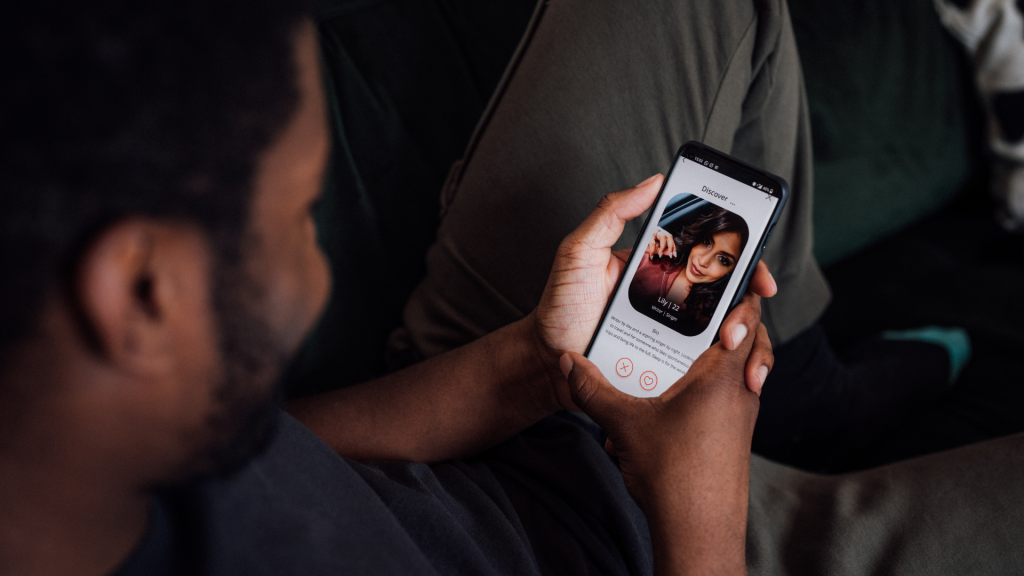
Romance scammers follow predictable patterns designed to exploit emotional vulnerability and trust.
The Setup: Creating the Perfect Profile
Scammers create attractive, convincing profiles using stolen photos from social media, modeling portfolios, or stock photography. They craft personas that appeal to their targets, successful professionals, military personnel stationed overseas, or entrepreneurs with fascinating lives.
These fake profiles often claim to be widowed, divorced, or recently single and ready for a serious relationship. They share just enough detail to seem real without providing information that could be easily verified.
The Connection: Love Bombing and Rapid Intimacy
Once matched, scammers move quickly to establish emotional bonds. They message constantly, shower you with compliments, and express intense feelings within days or weeks. This technique, called “love bombing,” creates artificial intimacy that bypasses your natural skepticism.
They pay close attention to information you share and mirror your interests perfectly. You like hiking? They love hiking too. You want to settle down? They’re ready for commitment. This manufactured compatibility feels like fate, which is exactly what scammers want.
The Excuses: Why They Can’t Meet in Person
You want to meet face-to-face, but there’s always a reason why they can’t. The most popular excuses include being stationed on a military base overseas, working on an offshore oil rig, or traveling for business abroad. Some claim to be doctors working for international organizations or engineers on remote projects.
These excuses explain why video calls are difficult, why meetings are impossible, and why they need financial help when “emergencies” arise.
If someone you’ve met online avoids video calls or in-person meetings with elaborate excuses, verify their identity through Social Catfish before continuing the relationship.
Common Romance Scam Tactics
Understanding specific tactics helps you recognize manipulation before losing money.
Medical or Family Emergencies
The most common scam story involves fake emergencies. According to FTC reports, 24% of romance scam cases involve claims that the scammer or their loved one is sick, injured, or in jail. They need money for medical bills, legal fees, or emergency travel, and they need it urgently.
These stories exploit your compassion and desire to help someone you care about. The urgency prevents you from thinking critically about the situation.
Investment and Cryptocurrency Schemes
Eighteen percent of romance scam reports involve scammers who offer to teach you to invest in cryptocurrency or other opportunities. This combination, called “pig butchering,” starts with romance but transforms into investment fraud where victims lose millions.
The scammer poses as a successful investor who wants to share their expertise. They show you their “returns,” encourage you to start small, and help you set up accounts on fake trading platforms. You see profits initially, invest more, and then discover you can’t withdraw your money, because it was never real.
Military Romance Scams
Another common story tied for 18% of reports involves scammers claiming to be military personnel stationed far away. This provides a believable reason for why you can’t meet, why communication is sporadic, and why they might need financial help with equipment, travel, or emergency situations.
Real military personnel don’t ask romantic interests for money, and they have access to financial resources through their service. If someone claiming to be military asks you for money, it’s a scam.
Package or Delivery Assistance
Eighteen percent of reports involve scammers asking for help with “important deliveries.” They claim to have sent you gifts, cash, gems, or gold, but you need to pay customs fees, shipping costs, or storage charges. The package doesn’t exist, the fees go directly to the scammer.
Before trusting any investment advice or sending money for emergencies or deliveries, use Social Catfish’s phone and email verification to check if the person is who they claim to be.
Red Flags of Romance Scams on Dating Apps
Recognizing warning signs can prevent devastating emotional and financial losses.
Too Perfect, Too Fast: They seem like your ideal match in every way, express strong feelings within days, and talk about a future together before really knowing you.
Avoids Video Calls: They make excuses to avoid video chatting or meeting in person, claiming bad internet, broken cameras, or security restrictions at their location.
Moves Off the Platform Quickly: They want to switch to WhatsApp, Google Chat, Telegram, or text messages almost immediately, moving away from the dating app’s monitoring and safety features.
Asks for Money: Any request for money is a massive red flag. Whether it’s for emergencies, investments, travel, or gifts, legitimate romantic interests don’t ask for financial help from people they’ve never met.
Requests Gift Cards or Cryptocurrency: Gift cards are the most frequently reported payment method in romance scams (24% of reports), though cryptocurrency and wire transfers cause the biggest losses. These payment methods are untraceable and irreversible.
Isolates You: They discourage you from telling friends or family about the relationship, claiming your connection is “special” and others wouldn’t understand.
Poor Grammar or Odd Phrasing: Many scammers operate from overseas and use awkward English, though AI is making this red flag less reliable.
Who’s Most at Risk for Dating App Scams

Romance scammers target anyone, but certain factors increase vulnerability.
Anyone Looking for Serious Relationships
People genuinely seeking long-term partnerships are particularly vulnerable because they’re emotionally open and willing to invest in relationships. Scammers exploit this openness and readiness to trust.
Recently Divorced or Widowed Individuals
People experiencing loneliness after losing a partner are prime targets. Scammers may even use AI to create fake photos resembling a deceased spouse, exploiting grief and the desire for familiar connection.
Older Adults
According to experts, older adults are more susceptible because they may be less familiar with scam tactics and technology. There’s also an assumption that older adults are financially stable with steady income or retirement savings. However, romance scams affect all age groups. Adults ages 18-59 are most likely to be contacted on social media (31%) or through websites and apps (30%), while adults 60 and older are more likely contacted by phone (24%).
Men Are Frequent Victims
Contrary to stereotypes, 73% of consumers who had been victimized by romance scams were men, according to research. Romance scams affect everyone regardless of gender.
What to Do If You’ve Been Scammed
If you realize you’ve been targeted, quick action can minimize damage.
Stop All Contact: Cut off communication immediately. Block them on all platforms and don’t respond to attempts to reconnect.
Contact Your Bank: If you’ve sent money, contact your bank, credit card company, or payment service immediately. They may be able to stop or reverse transactions.
Report to Authorities: File a report with the FTC at ReportFraud.ftc.gov and with the FBI’s Internet Crime Complaint Center. Report to the dating app or social media platform where you met them.
Document Everything: Save screenshots of profiles, messages, money transfers, and any other evidence. This documentation is crucial for investigations and potential recovery efforts.
Warn Others: Report the scammer to Social Catfish’s scam alert database to prevent others from falling victim to the same person.
Seek Support: Romance scams cause emotional trauma beyond financial losses. Consider talking to a therapist or joining support groups for romance scam victims.
Even after falling victim, Social Catfish’s monitoring tools can protect you from follow-up scams and identity theft that often target previous victims.
How Social Catfish Protects You from Romance Scams
Social Catfish provides comprehensive verification tools designed specifically for online dating safety.
Reverse Image Search: Upload profile photos to verify if they’ve been stolen from other sources or used in multiple scam profiles across the internet.
Phone Number Lookup: Verify if phone numbers are legitimate, associated with known scams, or don’t match the person’s claimed location and identity.
Email Verification: Check if email addresses are real, how long they’ve existed, and if they’ve been reported in connection with fraud.
Social Media Search: Find associated social media profiles to verify if the person’s story matches across platforms or if inconsistencies reveal fraud.
Scam Alert Database: See if others have reported the person, phone number, or email address as a scammer before you invest time and emotion.
Frequently Asked Questions
Romance scammers target all dating platforms, not just Duet. They create profiles on multiple apps simultaneously to maximize their reach. The issue isn’t the app itself but rather the scammers who exploit any platform where people seek relationships.
Verify through multiple methods: insist on video calls, use Social Catfish to check their photos and contact information, ask questions only the real person would know, and be suspicious if they avoid meeting in person or make constant excuses.
End the relationship immediately. Legitimate romantic interests don’t ask for money from people they’ve never met. Report them to the dating platform and to Social Catfish’s scam alert system.
While video deepfakes exist, most romance scammers avoid video calls entirely because they can’t fake real-time interaction. If someone refuses all video calls with elaborate excuses, they’re likely not who they claim to be.
The relationship isn’t real. Once you’ve sent money, you’ve confirmed you’re a willing victim, and scammers will continue extracting funds until you have nothing left. Cut contact immediately and report to the authorities.
Stay Safe While Dating Online
Romance scams on dating apps represent a devastating combination of emotional manipulation and financial fraud. Scammers are becoming more sophisticated, using AI and psychological tactics to make their deceptions increasingly convincing.
Real love doesn’t ask for money. Real love doesn’t avoid meeting in person. And real love can wait for proper verification.
Stay cautious, verify every profile, and protect yourself with Social Catfish, your partner in safe online dating.



![FatFlirt Review: Is It Legit or a Scam? [What We Found in 2026]](https://wp.socialcatfish.cloud/scamfish/wp-content/uploads/2025/08/Is-FatFlirt-a-Scam-Heres-What-Youre-Really-Signing-Up-For-scaled.png)