
 Multiple Faces Detected



 November 3rd, 2025
You get a text from “Lyft Support” saying your payment failed or your driver rating is at risk. You click the link without thinking. Suddenly, your account’s compromised.
According to the FTC, consumers reported losing $470 million to scams that started with text messages in 2024, a fivefold increase from 2020. Phishing texts now rank among the most effective fraud methods, with ride-sharing users becoming prime targets.
Before responding to any unexpected support message, verify it with Social Catfish, a quick lookup can reveal whether you’re dealing with legitimate support or a scammer.
Let’s break down how these fake Lyft agents trick riders, and what you can do to protect yourself.
How the Fake Lyft Phishing Scam Works
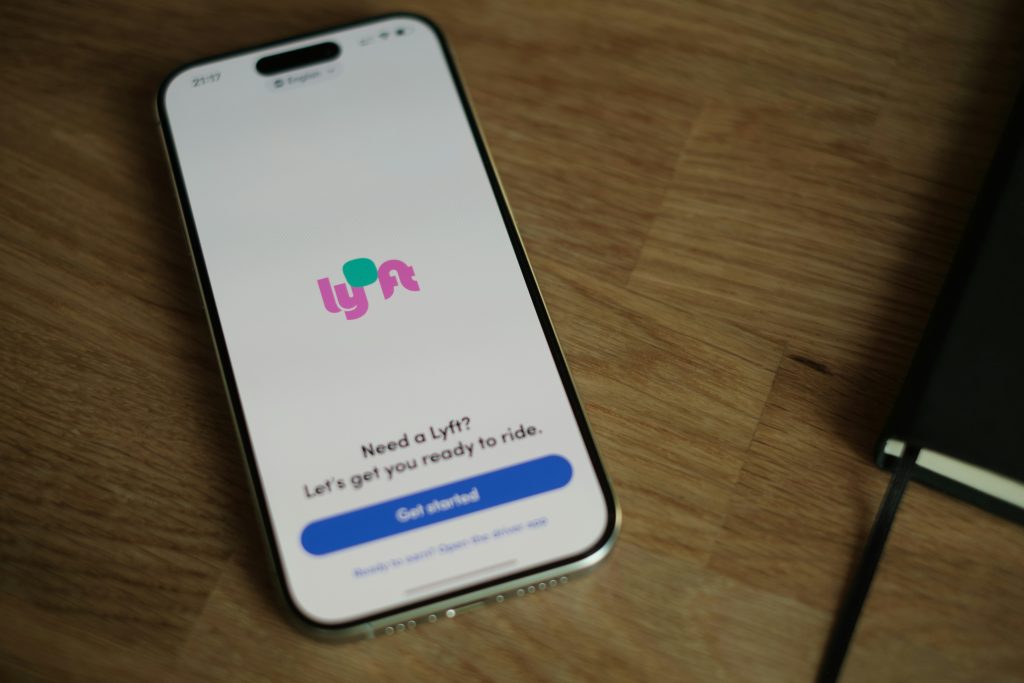
These scams follow a predictable pattern designed to bypass your skepticism through urgency and manufactured trust.
The Initial Bait: An “Urgent” Text About Your Account
It starts with a text creating immediate concern, a failed payment, driver complaint against you, suspicious login, or problem with your recent ride. These messages trigger worry and fear of losing access to a service you rely on.
Scammers send these texts strategically, often shortly after you’ve taken a Lyft ride to make them seem more legitimate, or during peak hours when you’re likely to need the service soon.
The Fake Link or Number Leading to Credential Theft
The text includes either a link to a fake Lyft support page or a phone number to call. Click the link and you’re taken to a website that looks identical to Lyft’s legitimate site. When you enter your login credentials to “verify your account,” you hand them directly to the scammer.
Call the number instead, and you reach a fake support agent who sounds professional. They’ll ask you to confirm your email, verify your payment method, or provide a code sent to your phone, which is actually your two-factor authentication code, giving them complete account access.
The Scammer’s Goal: Complete Account Access
Once scammers have your credentials, they move quickly. They change your password, add their payment methods, take rides on your dime, or sell your verified account. Many people reuse passwords, so if your Lyft password matches your email or banking accounts, the breach extends far beyond one app.
If you’re unsure about a message or number, run a quick check on Social Catfish to see if it’s been flagged by others before you respond.
Why Riders Are Falling for Fake Lyft Agents
These scams succeed because scammers have perfected impersonation and psychological manipulation.
Texts Look Nearly Identical to Real Lyft Notifications
Scammers copy official Lyft text templates, use similar sender names, and replicate the formatting of real notifications. Many fake texts reference real information, like rides you actually took, to make messages seem more credible.
Social Engineering: Exploiting Fear, Urgency, and Trust
Scammers understand that people make poor decisions when stressed or afraid. Messages claiming your account will be suspended or your payment was declined trigger emotional responses that override logical thinking. They also exploit your trust in familiar brands, when you see “Lyft” on your screen, you instinctively trust it more than an unknown sender.
Fake Customer Service Pages Dominate Search Results
When you search for “Lyft customer service number,” scammers compete aggressively for top positions. They create fake support websites, purchase Google ads, and manipulate search rankings to ensure fraudulent numbers appear before legitimate information.
The FTC reports that text-based fraud is growing faster than most other digital scams, with losses jumping nearly 26% in just one year.
Stay one step ahead. Social Catfish helps you verify numbers, links, and emails before you engage, protecting you from these increasingly sophisticated scams.
Top 5 Signs of a Lyft Phishing or Fake Agent Scam
Learning to recognize warning signs can stop a scam before it starts.
1. You Get an Unsolicited Text About “Account Verification”
Legitimate companies don’t send random verification requests. If you receive an unexpected text asking you to verify your account or update payment information, it’s almost certainly a scam.
2. The Link Isn’t From Lyft’s Official Domain (lyft.com)
Before clicking any link, check the URL carefully. Scammers use similar-looking domains like “lyft-support.com” or “lyfthelp.net.” Only authentic Lyft URLs end with “lyft.com“, anything else is fake.
3. The Message Pressures You to Click or Reply Fast
Urgency is the scammer’s most powerful tool. Messages saying “act now” or “respond within 24 hours” prevent you from thinking critically. Legitimate companies give you time to address issues.
4. The “Agent” Asks for Payment or Personal Information
Real Lyft support never asks for your password, full credit card number, or two-factor authentication codes. They already have your account information, they don’t need you to provide it.
5. You’re Asked to Download a “Verification App” or Share a Code
This is a major red flag. Scammers may ask you to download remote access software or share a verification code. That code is your two-factor authentication, sharing it gives them complete account access.
Spot one or two of these? Stop, and check the sender on Social Catfish before responding.
What to Do If You’ve Already Clicked or Replied
If you’ve engaged with a scammer, quick action can limit the damage.
Disconnect Immediately: Cut off contact. Block the number, delete the text thread, and mark it as spam.
Change Your Password: Access Lyft through the official app and change your password immediately. Create a strong, unique password. Enable two-factor authentication in your security settings.
Report the Scam: Contact Lyft support through the Help section in the app. File a complaint at ReportFraud.ftc.gov to help authorities track fraud patterns.
Monitor Financial Accounts: Check credit card and bank statements for unauthorized transactions. Enable real-time transaction alerts from your bank.
Use Social Catfish to Monitor Your Digital Footprint: Set up monitoring for your phone number and email. Social Catfish can alert you if your data appears in breaches or is being used suspiciously online.
Even if it’s too late to undo the text, you can still protect your identity with Social Catfish’s monitoring tools and prevent further compromise.
How Social Catfish Helps You Spot Fake Lyft Agents
Social Catfish provides multiple layers of protection to identify fraudulent contacts.
Phone Lookup: When you receive a suspicious call or text claiming to be from Lyft, enter the number and see who actually owns it, whether it’s associated with legitimate businesses, and if other users have reported it as a scam.
Email Verification: Check whether an email address is genuinely affiliated with Lyft or if it’s been reported in connection with fraud.
Image Search: Verify whether photos used in suspicious messages are stolen from other sources, a common tactic in various fraud schemes.
Real example: Jennifer received a text about a payment issue with a customer service number. Before calling, she ran it through Social Catfish’s phone lookup. The results showed multiple user reports flagging it as a Lyft impersonation scam. That two-minute search saved her account and payment information.
Frequently Asked Questions
Why do scammers pretend to be Lyft support?
Because people trust well-known brands. When you see a message from “Lyft,” you’re more likely to click links or share information. Scammers exploit this trust to steal credentials and personal data.
Can a scammer really look like a real Lyft agent?
Yes. Scammers can spoof phone numbers, copy official text templates, and create fake websites that perfectly replicate Lyft’s design. Modern technology makes these impersonations incredibly convincing.
How do I check if a text or call is from Lyft?
Go directly to the Help section in your Lyft app, that’s the only guaranteed way to access legitimate support. Don’t call numbers from texts or Google searches without verification. Use Social Catfish to verify suspicious numbers before responding.
What should I do if I enter my info on a fake page?
Change your passwords immediately, starting with Lyft, then your email and other accounts. Enable two-factor authentication. Contact your bank to freeze cards and monitor for fraud. Report to Lyft through the app and file a complaint with the FTC.
Are these scams only targeting drivers or riders too?
Both. Scammers target anyone using the platform because both drivers and riders have payment information on file. Everyone using the platform is potentially vulnerable.
Stay Protected Against Evolving Phishing Tactics
Phishing texts and fake Lyft agents won’t disappear anytime soon. As ride-sharing services become more integrated into daily life, scammers will continue developing sophisticated methods to exploit users’ trust.
Remember the fundamentals: never click links in unexpected messages, always verify contact information through the official app, and use Social Catfish to check suspicious numbers and emails before engaging. The few seconds it takes to verify can prevent hours of stress and potentially thousands of dollars in losses.
Stay alert, verify every message, and protect your digital identity with Social Catfish, your partner in online safety.