Multiple Faces Detected


 September 29th, 2025
You scroll through Instagram and see an account with 100,000 followers. Impressive, right? But here’s the thing—those numbers might be completely fake.
The world of fake followers is bigger than most people realize. And it’s not just about vanity metrics anymore. These inflated numbers are deceiving consumers, hurting businesses, and creating a marketplace built on lies.
But why should you care? Fake followers affect everyone who uses social media. They make it harder to trust what you see online. They hurt honest creators who build their following the right way. And they can cost you money if you fall for their tricks.
What Are Fake Followers Really?
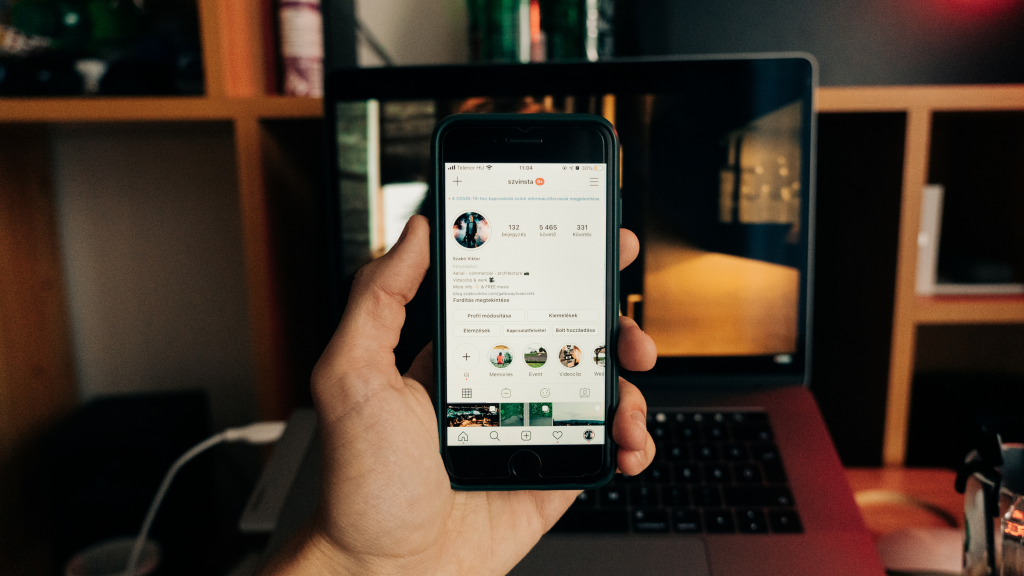
Fake followers aren’t real people. They’re bot accounts, stolen profiles, or inactive users bought in bulk to inflate someone’s social media numbers. A majority of Instagram mega-influencers with more than one million followers were involved in fraudulent activities to boost their engagement and follower figures in 2024.
These fake Instagram followers come in different forms. Some are completely automated bots that never interact with content. Others are hijacked accounts from real people who don’t even know their profiles are being used. The worst ones are sophisticated fakes that look real at first glance but fall apart under closer inspection.
The numbers are staggering. Research shows that 9.5% of Instagram accounts are bots. That means nearly 1 in 10 accounts you see might not be real people at all.
The Business Behind Fake Followers
This isn’t just random internet mischief. It’s a full-blown industry. Companies like Devumi, which the FTC shut down for selling fake followers, made millions by selling fake social media influence.
Here’s how cheap it really is:
- 1,000 YouTube followers: $49
- 1,000 Facebook followers: $34
- 1,000 Instagram followers: $16
- 1,000 Twitter followers: $15
These prices make it tempting for anyone wanting to look more popular online. But the consequences go far beyond just fake numbers.
Why Fake Followers Matter More Than You Think
Fake followers aren’t harmless. They create real problems for real people.
First, they mess with trust. When you see someone with a large following endorsing a product, you might think they’re credible. But if those followers are fake, that endorsement is worthless. You could end up buying something based on entirely false social proof.
Second, they hurt honest creators and businesses. Imagine you’re a small business owner competing against someone with fake followers. They look more popular, get more brand deals, and take opportunities away from you—even though their influence is entirely artificial.
Third, they waste money. Brands spend billions on influencer marketing each year. When they pay someone with fake followers, they’re essentially throwing money away. Those fake accounts won’t buy products or recommend brands to friends.
How to Spot Fake Instagram Followers
Learning to identify fake followers isn’t rocket science. Here are the red flags to watch for:
Check the follower-to-engagement ratio. An account with 50,000 followers but only 20 likes per post is suspicious. Real followers engage with content they follow.
Look at the followers themselves. Click on some follower profiles. Do they have profile pictures? Do they post content? Or are they empty accounts with random usernames like “user12345678”?
Watch for sudden growth spikes. Real accounts grow gradually over time. If someone gained 10,000 followers overnight, something’s probably not right.
Examine the comments. Fake accounts often leave generic comments like “Great post!” or just emojis. Real followers leave specific, thoughtful responses.
Use detection tools. Services like Social Catfish can help you verify if social media accounts are legitimate. They specialize in identifying fake profiles and can help you find out who made a fake Instagram account.
The Government Steps In
The fake follower problem had become so severe that the government had to act. In August 2024, the Federal Trade Commission announced a final rule banning fake reviews and social media manipulation.
This new rule makes it illegal to:
- Buy or sell fake followers
- Create AI-generated fake reviews
- Use bots to inflate engagement
- Hide negative reviews unfairly
- Misrepresent social media influence
Companies that break these rules can face severe fines. The FTC can now seek civil penalties for each violation, which means penalties could add up quickly for businesses with thousands of fake reviews or followers.
The Real Cost of Fake Influence
The fake follower economy isn’t just about numbers. It’s about trust, money, and fairness in the digital marketplace.
When influencers buy fake followers, they’re essentially committing fraud. They’re selling access to an audience that doesn’t exist. Brands pay them, thinking they’ll reach real people, but instead they’re paying for nothing.
This creates a vicious cycle. Honest creators feel pressure to buy fake followers just to compete. Brands become skeptical of all influencers. Consumers lose trust in social media recommendations. Everyone loses except the companies selling fake followers.
How Social Media Platforms Fight Back
Instagram, Twitter, and other platforms know fake followers are a problem. They’ve invested millions in detection systems and regularly purge fake accounts.
Instagram has been particularly aggressive. The platform lost millions of followers during major fake account purges. They’ve also restricted third-party apps that artificially boost engagement.
But it’s an ongoing battle. As platforms improve at detecting fakes, fake account creators become more sophisticated. It’s like a digital arms race with no clear end in sight.
The Psychology Behind Fake Followers
Why do people buy fake followers in the first place? It’s not just vanity—though that’s part of it.
Social proof is powerful. We’re more likely to follow accounts that already have a large following. We trust recommendations from people who seem popular. This psychological tendency makes fake followers seem valuable, even when they’re worthless.
There’s also the fear of missing out. When everyone else seems to have thousands of followers, having a small following feels embarrassing. Buying fake followers seems like a quick fix to this problem.
But it’s a short-term solution that creates long-term problems. Fake followers don’t engage authentically. They don’t buy products. They don’t recommend brands to friends. They’re digital ghosts that haunt your account without providing any real value.
Protecting Yourself from Fake Influence
As a consumer, you have more power than you might think. Here’s how to protect yourself:
Look beyond the numbers. Don’t be impressed by follower counts alone. Look at engagement quality, not just quantity.
Research before you buy. If an influencer recommends a product, do your own research. Check independent reviews and verify if social media accounts are real.
Trust your instincts. If something feels too good to be true, it probably is. Be skeptical of accounts that seem too perfect or popular.
Use verification tools. Services like Social Catfish can help you find social media accounts by photo and verify if profiles are legitimate.
The Future of Social Media Authenticity
The fight against fake followers is far from over. As AI gets more sophisticated, fake accounts will become harder to detect. But the tools to fight them are also getting better.
New regulations, such as the FTC’s fake review rule, demonstrate that governments are taking this issue seriously. Social media platforms are investing more in detection technology. And consumers are becoming more aware of the problem.
The key is education. The more people understand how fake followers work, the less effective they become. When everyone knows to look beyond follower counts, those numbers lose their power.
What This Means for Businesses
If you’re a business owner, the fake follower problem affects you directly. Here’s what you need to know:
Vet your influencers carefully. Don’t just look at follower counts. Check engagement rates, comment quality, and follower authenticity. Tools like Social Catfish can help you determine if someone is on social media legitimately.
Focus on micro-influencers. Smaller accounts with engaged audiences often provide better ROI than mega-influencers with questionable followers.
Track real metrics. Measure actual sales, website traffic, and brand awareness—not just likes and follows.
Be transparent. If you’re building your own social media presence, do it honestly. Fake followers will hurt you more than help you in the long run.
The Role of Detection Services
This is where services like Social Catfish become invaluable. They specialize in identifying fake profiles and verifying online identities. Whether you’re trying to spot Instagram scams or determine if a Facebook profile is fake, professional verification services can save you time and money.
Social Catfish uses advanced technology to analyze profile patterns, cross-reference information, and identify red flags that indicate fake accounts. They can help you avoid falling victim to fake influencers and protect your business from fraudulent social media schemes.
Moving Forward in a Post-Fake World
The fake follower era is ending, but slowly. New regulations, better detection technology, and increased awareness are making fake followers less effective and riskier.
But the damage is already done. Trust in social media has been shaken. Consumers are more skeptical. Businesses are more cautious. The entire influencer marketing industry has to rebuild credibility.
The solution isn’t to abandon social media marketing. It’s to do it better. Focus on authentic engagement. Build real relationships. Create genuine value. These things take more time than buying fake followers, but they last longer and work better.
The truth about fake followers is simple: they’re everywhere, they’re harmful, and they’re finally being addressed. By understanding the problem and taking steps to avoid it, we can all help create a more honest and trustworthy social media environment.
Remember, real influence comes from real connections. No amount of fake followers can replace authentic engagement with genuine people. In the end, authenticity always wins—it just takes a little longer to get there.