
 Multiple Faces Detected


 February 18th, 2026
Protecting your family starts with knowing the warning signs of common scams targeting parents.
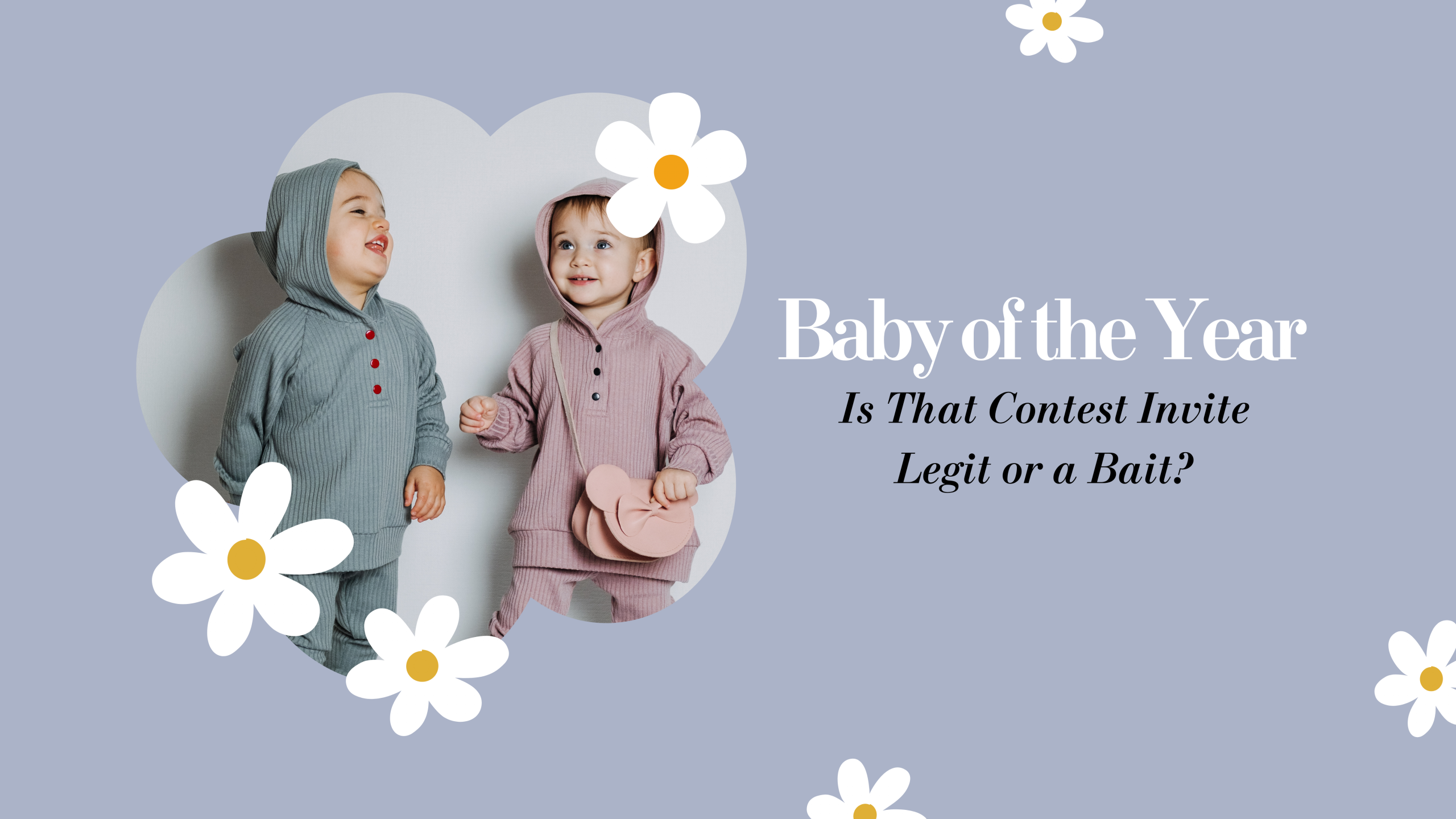
You just received an exciting email congratulating you that your adorable baby has been “selected” for a prestigious “Baby of the Year” contest! But before you celebrate, consider: Is this opportunity legitimate, or a scam designed to prey on parental pride?
Baby contest scams have become increasingly common, targeting new parents and costing families hundreds or thousands of dollars while delivering nothing but heartbreak and financial loss. Don’t let scammers exploit your parental pride. Social Catfish can help you verify any suspicious content before you engage.
Understanding Baby Contest Scams

Let’s explore the anatomy of these deceptive schemes and how they operate.
Baby of the Year scams follow a predictable pattern designed to exploit parental emotions. Scammers create official-looking websites and email campaigns that mimic legitimate modeling agencies or contest organizations. They harvest baby photos from public social media profiles, then create personalized messages making it appear they’ve specifically selected your baby.
The initial contact usually comes as a congratulatory message claiming your baby has been “chosen” or “nominated” for their exceptional cuteness. This language is designed to make parents feel special about this “once-in-a-lifetime opportunity.”
Ready to verify if that contest is legitimate? Social Catfish’s reverse image search can help you determine if your baby’s photos are being used without permission across multiple scam sites.
Red Flags to Watch For
Recognizing these warning signs can save you from falling victim to baby contest fraud.
Several key indicators can help you identify a baby contest scam:
Immediate Red Flags
- Unsolicited Contact: Legitimate agencies rarely reach out randomly through social media
- Upfront Payment Requests: Asking for “registration fees” or “portfolio development” costs
- Pressure Tactics: Creating artificial urgency with “limited time only” deadlines
- Vague Prize Descriptions: Promising unclear rewards without specifics
Website and Communication Issues
- Poor Website Quality: Generic photos, grammar errors, limited contact information
- No Verifiable Track Record: Little information about past winners or company history
- Generic Email Addresses: Communication only through Gmail or social media
- Missing Professional Details: No physical address or legitimate phone numbers
Common Variations of Baby Contest Scams
These fraudulent schemes come in many forms, each designed to separate parents from their money.
Types of Baby Contest Fraud
- Modeling Agency Scams: Fake talent scouts claiming to represent agencies like Gerber, promising contracts but requiring expensive professional photos costing $500-1500
- Social Media Contest Scams: Fake Facebook or Instagram contest pages collecting entry fees from hundreds of parents before disappearing
- Photography Package Scams: Expensive photo sessions disguised as contest requirements, often with hidden upgrade costs
- Subscription-Based Scams: Automatic enrollment in monthly “modeling profile” services with difficult-to-cancel recurring charges
- Prize Fee Scams: After “winning,” parents must pay processing fees, taxes, or shipping costs for prizes that never exist
Concerned about who has access to your family’s personal information online? Social Catfish can help you discover what details about your family are publicly available and potentially being used by scammers.
The Psychology Behind the Scam
Understanding why these scams work helps parents protect themselves more effectively.
Baby contest scams target powerful emotions that make parents particularly vulnerable. Parental pride, dreams for your child’s future, and the excitement of new parenthood create the perfect environment for these schemes to succeed.
The personalized nature makes them especially convincing. When a message mentions your baby’s name and includes details showing the sender has looked at your photos, it creates false legitimacy. The relatively small initial investment ($50-200) seems reasonable when weighed against promised modeling contracts or prize money.
Scammers also exploit the social media culture where parents naturally share photos and celebrate their children’s milestones. They understand that new parents, in particular, are emotionally invested in their baby’s potential and may not think critically when presented with what appears to be professional recognition.
How to Verify Contest Legitimacy
Taking these verification steps can help you separate real opportunities from elaborate frauds.
Before engaging with any baby contest, conduct thorough research using multiple verification methods. The extra time spent investigating can save you from significant financial and emotional damage.
Essential Verification Steps
- Research the Organization: Look up company name, address, and phone number independently through Better Business Bureau and online reviews
- Check Past Winners: Legitimate contests proudly showcase previous winners and their actual achievements with verifiable success stories
- Verify Contact Information: Legitimate businesses provide physical addresses, multiple phone numbers, and professional email domains
- Understand Business Model: Real modeling agencies make money from booking talent, not charging upfront fees to families
- Read Terms Carefully: Legitimate contests have detailed terms outlining winner selection, prize delivery, and participant obligations
- Test Responsiveness: Contact them with specific questions about their process and see how professionally they respond
Legitimate modeling agencies invest in talent rather than charging them. If the primary revenue stream appears to be entry fees or required purchases, that’s a significant warning sign that should make you reconsider participation.
Need help researching a contest organizer? Social Catfish’s people search tools can help you verify if the individuals and companies behind these contests are who they claim to be.
How Social Catfish Can Help
Our comprehensive verification tools provide the resources you need to protect your family from baby contest scams.
Social Catfish offers several powerful tools specifically designed to help parents verify contest legitimacy and protect their families from fraud.
Image Protection and Verification
Our reverse image search technology helps you determine if your baby’s photos are being used across multiple scam websites without permission. This tool can also verify if contest organizers are using stolen photos from other sources to create fake testimonials or winner galleries.
People and Business Verification
When you receive contact from supposed talent scouts, our people search tools to help verify their identity, professional background, and legitimacy. We can determine if the person contacting you actually works for a legitimate company or operates under a false identity.
Background and Communication Checks
Our platform researches social media profiles associated with contest organizations, revealing their history and any patterns of suspicious activity. We can verify whether contact information is legitimate and associated with real businesses, or if it’s being used for fraudulent purposes.
For contest organizers claiming professional credentials, our background check services verify their claims and reveal any history of fraudulent activity or consumer complaints.
Protecting Your Family Moving Forward

Implementing these safety practices helps ensure your family stays protected from current and future scam attempts.
The best defense against baby contest scams is proactive protection and education. Start by reviewing your social media privacy settings to limit who can see photos and information about your children. Consider whether it’s necessary to share baby photos publicly, as these images can be harvested by scammers for future schemes.
When encountering contest opportunities, take time to research thoroughly before making commitments. Establish a family policy that includes researching organizations for at least 48 hours, consulting with trusted friends or family members, and never making immediate payments based on emotional appeals.
Stay informed about common scam tactics by following consumer protection resources and scam alert websites. Share information about baby contest scams with other parents in your community to help protect them as well. Create a network of informed parents who can help each other identify and avoid these fraudulent schemes.
Set up Google alerts for your baby’s name and your family information to monitor if your details appear in unexpected places online. Regularly check if your social media accounts have been compromised or if your photos are being used elsewhere without permission.
Think you’ve been targeted by a scam? Social Catfish’s verification services can help you investigate suspicious contacts and protect your family’s information from being misused.
Frequently Asked Questions
The Baby of the Year contest sponsored by Jessica Alba and Good Housekeeping is technically legitimate—winners do receive prizes and a charity benefits. However, the pay-to-vote system raises concerns about fairness, as families who spend more money have better chances of winning. Additionally, only 50% of donations go to Baby2Baby, with the other 50% covering “competition fees” and operator costs. While not a criminal scam, many parents question whether the contest’s structure truly serves children’s best interests.
Red flags of baby contest scams include unsolicited contact through social media, upfront payment requests for “registration fees” or “portfolio development,” pressure tactics creating artificial urgency, vague prize descriptions without specifics, poor website quality with grammar errors, and no verifiable track record of past winners. Use Social Catfish’s verification tools to research contest organizers and verify company legitimacy before submitting photos or payments.
When you enter baby contests, you typically grant the organizer broad rights to use your child’s photos, name, and information. These images can appear in marketing materials, advertisements, or remain online indefinitely even if you withdraw from the contest. Photos submitted to contests also become accessible to anyone you share voting links with, potentially exposing your child to identity theft, scammers, or unauthorized use of their image across the internet.
Legitimate baby contests don’t require you to purchase votes or pay entry fees. Pay-to-vote systems favor families with more money rather than the “cutest” baby, making the competition about financial capability instead of merit. If a contest asks you to buy votes, registration packages, or “modeling portfolios,” it’s likely exploiting parental pride for profit rather than genuinely celebrating children. Free entry contests from established brands like Gerber, Gap, or Disney are more trustworthy options.
Research the contest organizer using Social Catfish’s background check tools to verify that the company exists with legitimate credentials. Check if the organization is a registered business or charity with verifiable contact information. Read all contest rules carefully for hidden fees or rights you’re surrendering. Look for transparent prize descriptions and past winner announcements. Search for reviews from previous participants. Trust contests from established household brands with reputations to maintain over unknown companies with limited online presence.
Taking Action If You’ve Been Targeted
If you suspect you’re dealing with a baby contest scam, these steps can help protect you and others.
If you receive suspicious contest invitations, don’t ignore them – take immediate action to protect yourself and help prevent others from becoming victims. Avoid providing any personal information or making payments until you’ve thoroughly verified the legitimacy of the contest.
Document all communications from suspected scammers, including emails, social media messages, phone calls, and any websites or materials they’ve shared with you. This information can be valuable for reporting the scam and helping authorities investigate the fraudulent operation.
Report suspected scams to the Federal Trade Commission (FTC), Internet Crime Complaint Center (IC3), and your state’s attorney general’s office. Many states have specific consumer protection units that handle these types of frauds and can take action against repeat offenders.
If you’ve already fallen victim to a baby contest scam, contact your bank or credit card company immediately to report the fraudulent charges and explore options for recovering your money. Consider placing fraud alerts on your credit reports if you provided significant personal information to the scammers, as this data could be used for identity theft or other fraudulent activities.
Work with Social Catfish to monitor if your family’s information continues to be misused across different scam operations, as many of these fraudulent organizations share victim data with other scammers.
Conclusion
Baby contest scams prey on parents’ natural love and pride. While these opportunities can be tempting, approach them with skepticism and thorough verification.
Legitimate contests exist, but they don’t require upfront payments or pressure immediate decisions. Stay informed, use verification tools like Social Catfish, and remember: keeping your family safe is the most important prize.
Ready to protect your family from scams? Visit Social Catfish today to access our comprehensive verification tools and start safeguarding your personal information from fraudsters.