
 Multiple Faces Detected



 May 14th, 2025
The United States Postal Service (USPS) handles millions of packages every day, especially during the holiday rush. That increase in deliveries makes it the perfect time for scammers to strike, because everyone’s expecting something in the mail.
These messages look like real USPS updates, often claiming a package is delayed or needs a redelivery fee. But they’re designed to steal your personal or financial information.
USPS has issued warnings about this growing threat, especially as scam reports keep rising during peak shopping season. The texts often include fake tracking numbers and links that lead to phishing websites. Because so many people are expecting packages, it’s easy to click without thinking.
This post shows you how these USPS scams work, what to watch for, and what to do if you’ve been targeted.
Why the Holidays Are Prime Time for Smishing Scams?
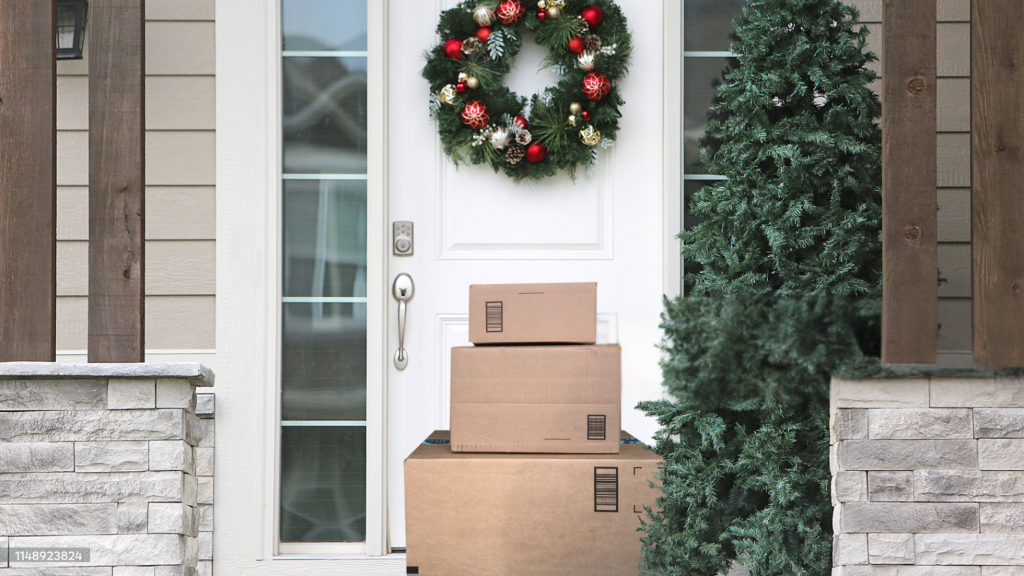
During the holidays, people order more things online, and delivery drivers bring more packages.
At the same time, most people are busy with shopping, travel, and family plans. They don’t always think clearly or check things twice.
Scammers know this. They send fake text messages that look like shipping updates. Because you’re already waiting for a package, you might click without thinking. That’s exactly what the scammers want.
That’s why the U.S. Postal Inspection Service is urging both customers and employees to stay alert. As Chief Postal Inspector Gary Barksdale put it, “Your safety is your most important delivery, during the holidays and all year long.”
USPS Launches “Don’t Get Snowed by Holiday Scams” Campaign
With more scams happening around the holidays, the U.S. Postal Inspection Service has started a new awareness campaign called “Don’t Get Snowed by Holiday Scams.”
This annual initiative is meant to help USPS workers and customers stay alert and avoid common holiday scams, especially fake texts (smishing), emails (phishing), and package tricks that appear more often this time of year.
Here are the main things the campaign is focusing on:
Avoiding Counterfeit Postage
USPS advises customers to purchase postage exclusively through official channels, either at Post Office locations or through approved online vendors. USPS will reject packages bearing counterfeit postage and return them to the sender.
Recognizing Delivery-Related Scams
The agency warns the public to be especially cautious of unsolicited messages claiming a “delivery failure.” These emails or text messages often contain malicious links and are part of smishing and phishing schemes. USPS strongly advises deleting these messages immediately and refraining from clicking any embedded links.
Securing Deliveries
To reduce the risk of package theft or fraud, USPS recommends arranging for secure delivery options. This includes:
- Having a trusted neighbor or friend retrieve deliveries
- Utilizing USPS’s Hold Mail service during travel
- Selecting delivery to a local Post Office or secure parcel locker
Prioritizing Employee Safety
Postal employees are also receiving targeted guidance. In the event of suspicious behavior or direct threats, they are instructed to prioritize personal safety, call 911, and report the incident to the Postal Inspection Service at 877-876-2455.
Examples of USPS Holiday Scams
During the holidays, USPS warns of smishing scams during the holidays that look like delivery updates. These messages often include links asking you to track a package, pay a fee, or update your address. Here are the most common examples and how they work:
Delivery Attempt Failed Text
Criminals in the “Delivery Attempt Failed” scam say that they couldn’t deliver your package. The message typically includes a link and urges you to click it to update your address or reschedule the delivery.
Message Example:
“We were unable to deliver your package today due to incomplete address information. Please update your details here: [bit.ly/fake-usps-link]”
Schedule Your Delivery Scam
In the “Schedule Your Delivery” scam, you are tricked into opening a link that is going to help you schedule the delivery time of your parcel.
Message Example:
“Your package is on hold. Please choose a delivery time to avoid return to sender. Confirm your preferences here: [usps.delivery-tracker.com]”
Postage Due Scam
This scam tricks you into thinking a small payment is required for a delivery. The link takes you to a fake site where you’re asked to enter your credit card and billing information.
Message Example:
“USPS ALERT: Additional postage is required to deliver your package. Pay now to avoid return: [fake-usps-payments.com]”
Track Your Package Scam
Around the holidays, it’s normal for deliveries to run late. That makes people more anxious to track their packages. To deceive you, a fake tracking link is dropped in your inbox that leads to a site made to look like USPS.
Once there, it may ask for your name, address, login info, or even payment details under the guise of “verifying delivery.”
Message Example:
“USPS: Your tracking number 9400111899220000000000 is now out for delivery. Track it here: [tracking.usps-alerts.info]”
Similar tactics are used in FedEx text scams with fake tracking links, where scammers impersonate shipping carriers to trick you into clicking malicious URLs or entering personal information.
For a broader understanding, this USPS scam awareness guide outlines the risks of USPS phishing messages and breaks down common delivery scam tactics to watch for.
How Real USPS Notifications Work
USPS doesn’t send random text messages about packages. You only get updates if you sign up for tracking alerts yourself. Here’s how to tell the difference between a real message and a delivery scam:
| Real USPS Notifications | Scam Messages Posing as USPS |
| Sent only if you signed up for tracking alerts | Arrive out of nowhere, you never requested them |
| Includes your tracking number | Vague or missing tracking number |
| Shows the delivery status or location of the package | Claims there’s a “problem” or a “delivery failure” |
| Comes from a usps.com domain or an official source | Comes from strange numbers or short links (bit.ly) |
| Never ask for payment via text or email | Asks you to pay a small redelivery or customs fee |
| Does not ask for personal or financial info | Asks for your address, credit card, or login |
| Can be verified by going to USPS.com directly | It can’t be verified on the official USPS website |
If you got a fake USPS text and want to know who’s behind the number or link, Social Catfish lets you run a reverse lookup. It’s a simple way to see if that message has been used in other scams before you become the next target.
Already Clicked the USPS Smishing Link? Here’s What to Do

If you clicked a fake USPS text or entered your information, don’t panic, but act quickly. Every second counts when it comes to protecting your online identity and finances.
- Change your passwords immediately. Start with your email and any accounts that use the same password. If scammers got your login info, they may try to access other sites you use.
- Contact your bank or credit card company. They can flag suspicious activity, issue a new card, and help protect your money.
- Use a trusted antivirus app to check for any malware that may have been downloaded. If you see anything suspicious, follow the app’s removal instructions or visit a phone repair professional.
- Consider freezing your credit temporarily. A credit freeze stops anyone from opening new accounts in your name.
- Visit https://reportfraud.ftc.gov to report the scam. This helps authorities investigate and shut down fraudulent operations.
Suspicious USPS messages often raise questions about who sent them. Social Catfish’s Search Specialist service can assist by using advanced online investigation techniques to trace deceptive messages back to their source and help you identify potential scammers.
Feedback from one of our verified clients:
“I was suspicious about some of the things I was being told that did not add up. Linnie M was my search specialist and she confirmed what I suspected. It was a good thing they can do in depth checks that the normal person cannot. I was sad that she showed me my person was a fake but grateful to know the truth” – Brenda Delorme