
 Multiple Faces Detected


 August 22nd, 2024
In today’s digital age, scams and frauds have become increasingly prevalent. One type of scam that has been on the rise is pretexting scams. Pretexting is a form of social engineering where scammers use false pretenses to obtain sensitive information from their victims. These scams can be difficult to detect and can result in financial loss and identity theft. In this blog post, we will discuss what pretexting scams are, how they work, and most importantly, how you can protect yourself from falling victim to them.
What is Pretexting?
Pretexting is a type of social engineering where scammers use a false identity or story to manipulate their victims into giving them sensitive information. This can include personal information such as social security numbers, credit card numbers, and login credentials. The scammers will often use this information to steal money or commit identity theft.
Pretexting scams can take many forms, but they all involve the scammer creating a false scenario to gain the trust of their victim. This can include posing as a bank representative, a government official, or even a friend or family member. The goal is to make the victim believe that the scammer is someone they can trust, making them more likely to give out their personal information.
The Role of Technology in Pretexting Scams
As technology advances, so do the methods that scammers use in pretexting scams. Modern technology allows scammers to gather personal information more easily and craft more convincing stories. For instance, with the proliferation of social media, scammers can quickly gather details about your life, such as your job, family, and interests, which they can use to create a believable pretext. They might also use spoofing technology to manipulate their caller ID, making it appear as if they are calling from a legitimate organization, such as your bank or a government agency. This makes it even harder to recognize that you are being scammed.
Moreover, the rise of artificial intelligence (AI) and deepfake technology has made pretexting scams even more dangerous. Scammers can now create realistic-sounding phone calls or video messages that appear to be from someone you know, further lowering your defenses. These technological tools make it more challenging to identify scams, emphasizing the importance of staying informed about the latest tactics and being cautious when asked to share personal information.
How Do Pretexting Scams Work?
Pretexting scams can happen through various channels, including phone calls, emails, and even in-person interactions. The scammer will often start by gathering basic information about their victim, such as their name and address, from public sources. They will then use this information to create a believable story to gain the victim’s trust.
For example, a scammer may call a victim pretending to be from their bank and claim that there has been suspicious activity on their account. They will then ask the victim to verify their personal information, such as their social security number and account number, to “confirm” their identity. The victim, thinking they are speaking to a legitimate bank representative, may unknowingly give out this sensitive information.
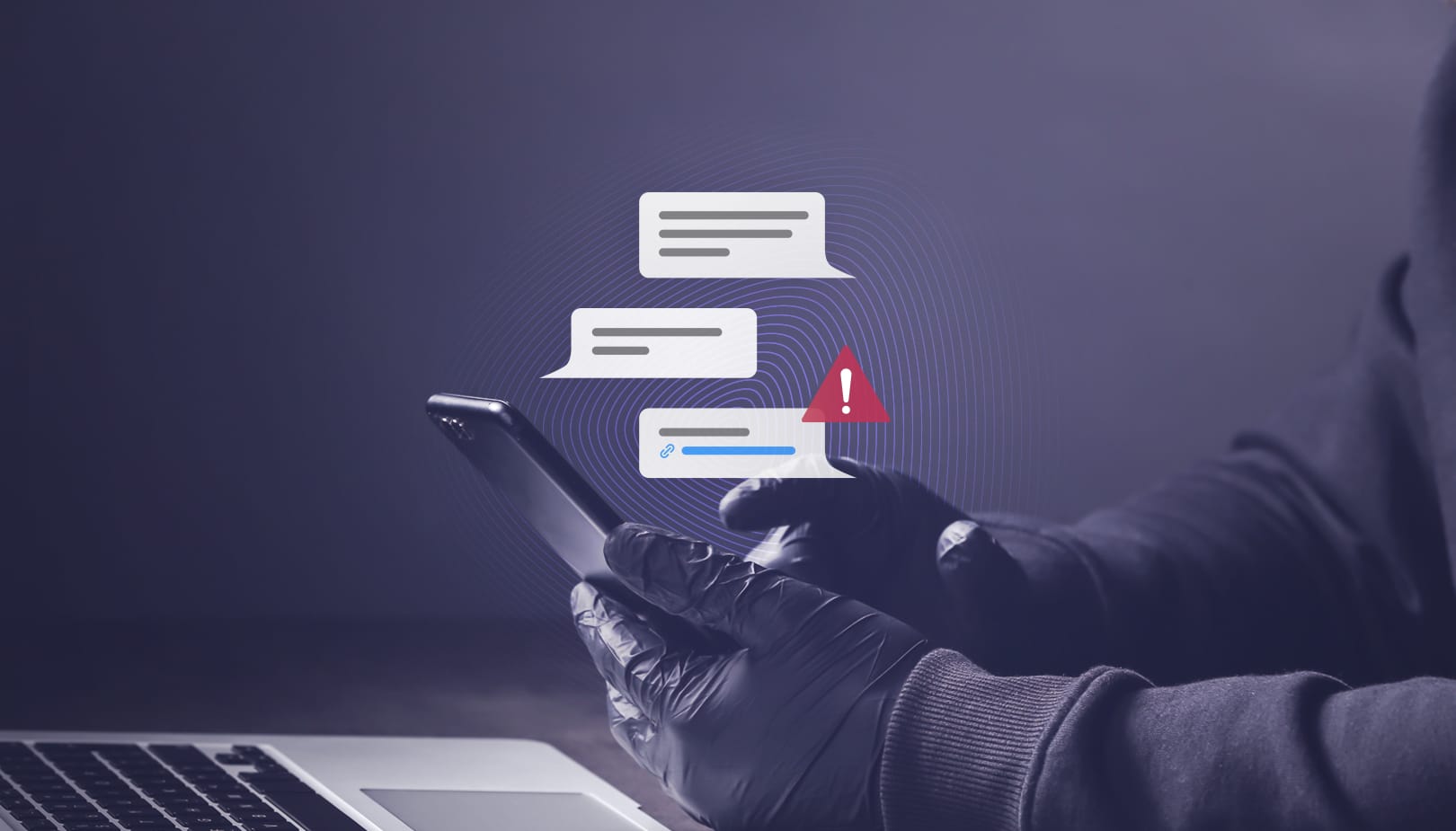
Another common tactic used in pretexting scams is phishing. Phishing is a type of scam where the scammer sends a fake email or text message that appears to be from a legitimate source, such as a bank or government agency. The message will often contain a link that directs the victim to a fake website where they are asked to enter their personal information. This information is then used by the scammer for fraudulent purposes.
Legal and Financial Consequences of Falling Victim to Pretexting Scams
Falling victim to a pretexting scam can have severe legal and financial consequences. Once a scammer obtains your personal information, they can commit identity theft, which may lead to unauthorized transactions, loans, or credit card applications in your name. These fraudulent activities can ruin your credit score and take years to resolve, impacting your ability to get loans, mortgages, or even a job.
In addition to financial losses, victims of pretexting scams may also face legal challenges. For example, if a scammer uses your identity to commit crimes, you could be wrongfully implicated in illegal activities. Clearing your name and resolving the legal issues can be a lengthy and stressful process. It’s crucial to act quickly if you suspect you’ve fallen victim to a pretexting scam by contacting your bank, credit card companies, and the authorities to minimize the damage and prevent further fraud.
How to Avoid Pretexting Scams
Now that you know what pretexting scams are and how they work, it’s essential to know how to protect yourself from falling victim to them. Here are some tips to keep in mind:
- Be cautious of unsolicited phone calls, emails, or text messages asking for personal information. Legitimate companies and organizations will never ask for sensitive information over the phone or through email.
- Do not click on links or open attachments from unknown sources. These could be phishing attempts to steal your personal information.
- Verify the identity of the person or organization before giving out any personal information. If you receive a call or email from someone claiming to be from your bank or a government agency, hang up or delete the message and contact the company directly to confirm.
- Regularly check your bank and credit card statements for any suspicious activity. If you notice any unauthorized charges, report them immediately.
- Use strong and unique passwords for all your online accounts. This will make it harder for scammers to access your accounts even if they have some of your personal information.
- Be cautious of what you share on social media. Scammers can use information from your social media profiles to create a believable pretext for their scams.
Conclusion
Pretexting scams are a serious threat in today’s digital world. Scammers are becoming more sophisticated in their tactics, making it harder to detect and avoid these scams. However, by being aware of how these scams work and following the tips mentioned in this blog post, you can protect yourself from falling victim to them. Remember, if something seems too good to be true or if you feel uncomfortable giving out personal information, trust your instincts and do not proceed. Stay vigilant and stay safe!