

 Multiple Faces Detected


 May 8th, 2024
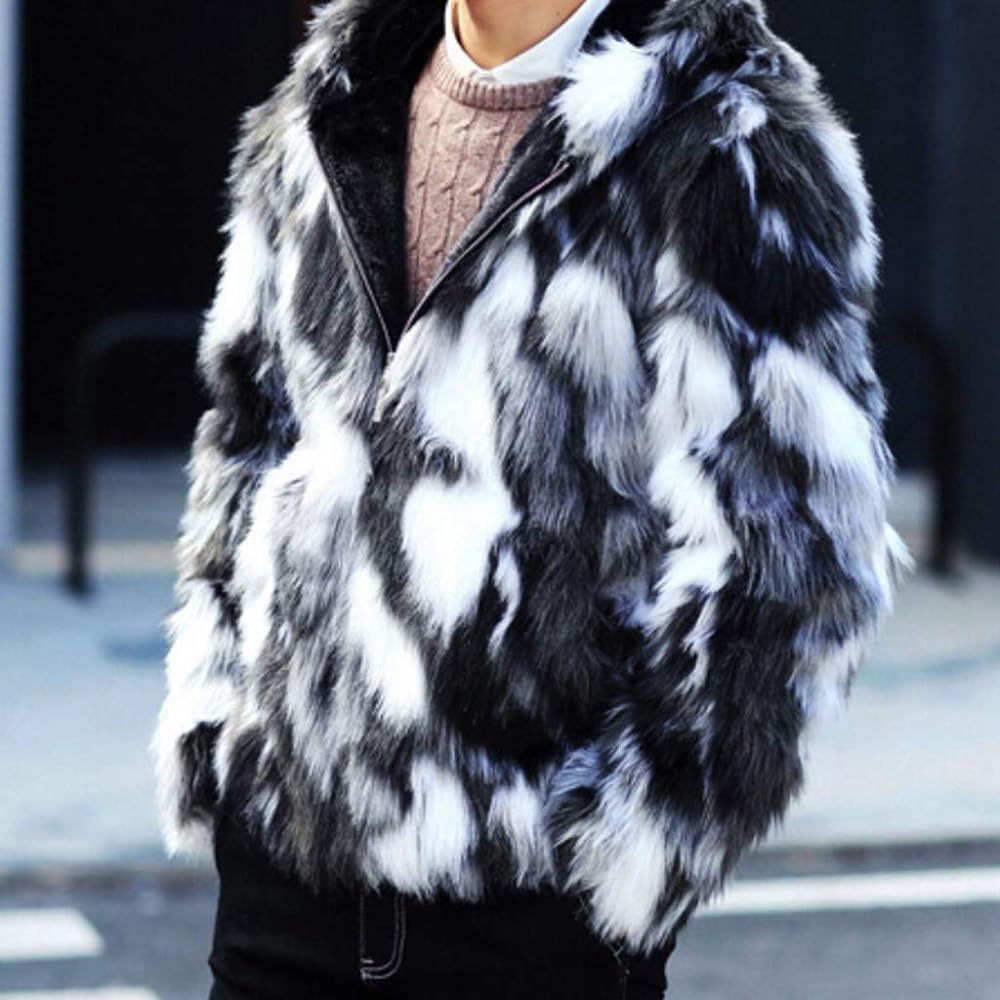
Mother’s Day is just around the corner, and many of us are already planning the perfect gift for our beloved moms. One popular gift idea that has been gaining popularity in recent years is faux fake fur coats. These coats are marketed as a more affordable and ethical alternative to real fur coats. However, there are some important things to consider before purchasing a faux fur coat for your mom this Mother’s Day. In this blog post, we will discuss the truth behind faux fake fur coats and why you should beware of them.
The Rise of Faux Fake Fur Coats
In recent years, there has been a growing trend towards ethical and sustainable fashion. As a result, many fashion brands have started to offer faux fur coats as a more animal-friendly option. These coats are made from synthetic materials that mimic the look and feel of real fur. They are often marketed as a more affordable and cruelty-free alternative to real fur coats.
However, the rise of faux fake fur coats has also led to an increase in the production of cheap and low-quality versions. These coats are often made from poor quality materials and are not as durable as real fur coats. As a result, they may not provide the same level of warmth and comfort as real fur coats.
The Truth About Faux Fake Fur Coats
Despite their claims of being ethical and sustainable, faux fake fur coats may not be as animal-friendly as they seem. In fact, many faux fur coats are made from real animal fur, such as rabbit, raccoon, or even dog fur. These animals are often raised in cruel conditions and are killed solely for their fur. This means that by purchasing a faux fur coat, you may unknowingly be supporting the fur industry and contributing to animal cruelty.
Moreover, the production of faux fur coats also has a negative impact on the environment. The synthetic materials used to make these coats are often derived from non-renewable resources and can take hundreds of years to decompose. This contributes to the growing problem of plastic pollution in our oceans and landfills.
Environmental Considerations of Faux Fur Production
Faux fur, often touted as an ethical alternative to real fur, comes with its own set of environmental considerations that are important to understand. The primary component of most faux fur textiles is synthetic polymer, made from petrochemicals like acrylic, modacrylic, and polyester. These materials are essentially plastics, derived from non-renewable fossil fuels. The production of these synthetic fibers involves various chemical processes that release volatile organic compounds, nitrogen oxides, and other pollutants that contribute to air and water pollution. This aspect of faux fur production raises significant environmental concerns, particularly regarding the carbon footprint and the overall sustainability of the fashion industry.
Moreover, the lifecycle impact of faux fur is also a major concern. While real fur biodegrades over time due to its natural origins, faux fur, being made of synthetic materials, does not break down easily. Instead, it can take hundreds of years to decompose in landfills, where it can leach toxic chemicals into the soil and groundwater. Additionally, during washing, faux fur garments can shed microfibers that end up in the ocean, contributing to the growing problem of microplastic pollution. These microplastics are ingested by marine life, entering the food chain and potentially impacting human health as well as biodiversity.
From a resource usage perspective, the production of faux fur demands significant quantities of water and energy. The textile industry is one of the most water-intensive industries, requiring substantial amounts of water for the cooling of machines, dyeing and treatment of fabrics. The energy consumed in the manufacturing process, often derived from burning fossil fuels, further amplifies the environmental footprint of faux fur production. This high level of resource use diminishes the perceived environmental friendliness of faux fur products.
Given these environmental implications, consumers and manufacturers alike are urged to consider more sustainable practices. This includes the development of innovative materials that mimic fur but are biodegradable and produced with minimal environmental impact. Another approach is the increased use of recycled materials in faux fur production, which can help reduce the reliance on virgin plastics and lower the carbon footprint. The fashion industry’s shift towards sustainability is crucial, and it begins with a critical assessment of materials like faux fur and their long-term effects on the planet.
How to Spot a Faux Fake Fur Coat
With so many faux fake fur coats on the market, it can be difficult to determine which ones are truly ethical and sustainable. Here are some tips to help you spot a faux fur coat:
- Check the label: A genuine faux fur coat will have a label that clearly states the materials used to make it. If the label only says “faux fur” without specifying the materials, it may be made from real animal fur.
- Look closely at the fur: Real fur has a distinct pattern and texture, while faux fur tends to have a more uniform and synthetic look. You can also try rubbing the fur between your fingers – real fur will feel soft and smooth, while faux fur may feel coarse or plastic-like.
- Do your research: Before purchasing a faux fur coat, do some research on the brand and their production methods. Look for certifications from organizations like the Fur Free Alliance or the Humane Society to ensure that the coat is truly ethical and sustainable.
Alternatives to Faux Fake Fur Coats
If you want to give your mom a warm and stylish coat this Mother’s Day, but don’t want to support the fur industry, there are plenty of alternatives to faux fake fur coats. Here are some ideas:
- Opt for a vegan leather or suede coat: These materials are cruelty-free and have a similar look and feel to real leather and suede.
- Choose a coat made from sustainable materials: Look for coats made from organic cotton, bamboo, or recycled materials. These options are not only ethical but also better for the environment.
- Shop from ethical and sustainable fashion brands: There are many fashion brands that prioritize ethical and sustainable production methods. By supporting these brands, you can ensure that your mom’s coat is both stylish and ethical.
Innovations in Plant-Based and Recycled Insulating Materials
The fashion industry has been making significant strides towards sustainability, particularly in the area of cold-weather apparel, by innovating with plant-based and recycled insulating materials. These developments not only provide eco-friendly alternatives to traditional materials but also offer practical benefits in terms of warmth and comfort. Here’s a deeper look into these innovative materials:
1. Plant-Based Insulating Materials
One of the most promising areas of innovation in sustainable fashion is the development of plant-based insulating materials. For example, Kapok fiber, sourced from the seed pods of the kapok tree, is gaining popularity due to its lightweight, hypoallergenic, and water-resistant properties. It’s considered one of the lightest natural fibers and offers excellent thermal insulation, making it ideal for winter jackets and bedding.
Another innovative material is MycoFlex™, derived from mycelium, the root structure of mushrooms. MycoFlex™ is cultivated through a process that encourages the growth of mycelium into a mat, which is then harvested and treated to create a flexible, durable insulating material. This material is not only sustainable but also biodegradable, reducing its impact on the environment at the end of its life cycle.
2. Recycled Insulating Materials
The use of recycled materials for insulation in apparel also represents a significant shift towards sustainable practices. PrimaLoft® Bio™ is a synthetic insulation made from 100% recycled, biodegradable fibers. It is designed to break down at a faster rate in landfills and marine environments compared to traditional fibers, without shedding harmful microfibers in the process.
Thermore Ecodown®, another recycled insulator, offers an alternative to down feathers and is made from 100% recycled polyester from PET bottles. This material provides excellent thermal properties and is used by various outdoor apparel brands committed to reducing environmental impact.
3. Environmental and Ethical Benefits
These innovations offer substantial environmental benefits by reducing dependency on virgin resources, minimizing waste, and utilizing renewable materials that are less harmful to the planet. Moreover, they address ethical concerns related to animal products in the fashion industry, providing cruelty-free alternatives that do not compromise on performance or aesthetics.
4. Future Implications
As consumer awareness of environmental issues continues to grow, the demand for sustainable apparel will likely increase. This trend encourages further innovations in plant-based and recycled materials, potentially leading to greater adoption across the fashion industry. It also sets a precedent for integrating sustainability into the core values of fashion brands, influencing production practices globally.
Conclusion
Faux fake fur coats may seem like a great gift idea for Mother’s Day, but it’s important to be aware of the truth behind these coats. By doing your research and choosing ethical and sustainable alternatives, you can give your mom a gift that she will love and feel good about wearing. Let’s make this Mother’s Day a truly ethical and sustainable one!