Multiple Faces Detected


 February 23rd, 2024
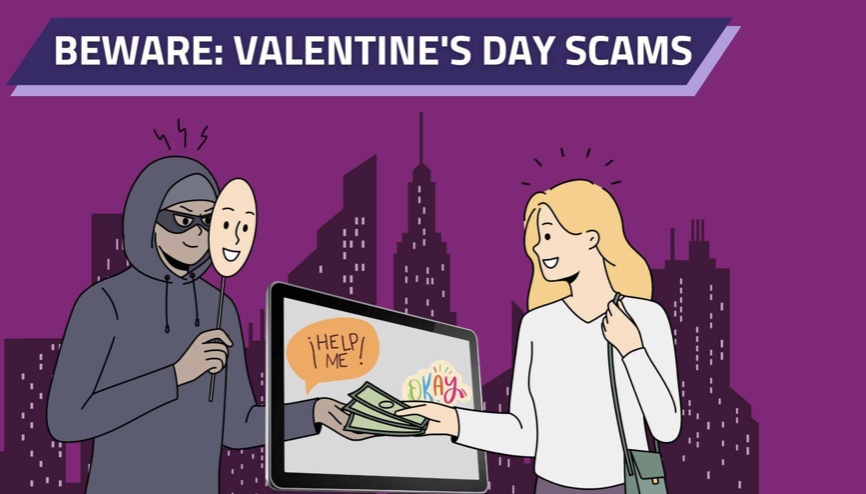
As Valentine’s Day approaches, the season of love is accompanied by an unfortunate counterpart – the rise of scams preying on emotions and romantic aspirations. In this blog post, we delve into the shadowy realm of online deception and unveil the tactics employed by scammers seeking to exploit the sentimentality surrounding Valentine’s Day. Heartbreak on the horizon takes on a new meaning as we expose the tricks, traps, and fraudulent schemes designed to lure unsuspecting individuals into a web of deceit. Join us on a journey to unravel the darker side of Valentine’s Day, arming yourself with awareness and knowledge to safeguard against the perils of romantic scams.
The Illusion of Love: Unmasking Fake Profiles
The quest for love often leads individuals into the intricate web of online dating platforms, where the promise of connection is sometimes overshadowed by the prevalence of fake profiles. Unscrupulous actors exploit the vulnerability of those seeking companionship, weaving intricate illusions of love and companionship through deceptive online personas. Fake profiles, adorned with attractive photos and captivating descriptions, become the tool of choice for scammers aiming to establish relationships based on false identities. As we delve into the realm of online deception, it becomes crucial to unmask these illusions of love, recognizing the signs that distinguish genuine connections from the intricately crafted mirages that scammers use to exploit the romantic aspirations of unsuspecting individuals.
The creation of fake profiles is a pervasive strategy employed by scammers to manipulate emotions and build trust. Often, these profiles feature stolen photographs and fabricated personal details, presenting an idealized version of the scammer’s fictional character. The illusion of love is carefully constructed through carefully chosen words and engaging narratives, preying on the genuine desire for connection. Unmasking these fake profiles involves a critical examination of inconsistencies, such as mismatched information or overly elaborate stories that veer into the realm of implausibility. By raising awareness about the intricacies of these illusions, individuals can navigate the online dating landscape with a discerning eye, safeguarding themselves against the emotional and financial toll of falling for a fabricated love interest.
Recognizing the illusion of love in fake profiles goes beyond skepticism; it requires a proactive approach to verify the authenticity of online connections. Utilizing reverse image searches and conducting thorough background checks are essential tools in unraveling the deceptive tapestry of false identities. As we expose the tactics behind these illusory personas, we empower individuals to approach online relationships with a heightened sense of awareness, fostering a digital landscape where genuine connections can thrive while deceptive illusions are unmasked and dismantled.
Digital Roses, Hidden Thorns: Navigating Gift Card Scams
Individuals often turn to the timeless gesture of gifting, and scammers capitalize on this sentiment by orchestrating elaborate gift card scams during the Valentine’s season. The allure of a romantic surprise transforms into hidden thorns as fraudsters deploy cunning tactics to manipulate victims into providing gift cards as tokens of love. Gift card scams have become a prevalent method for scammers to exploit the emotional vulnerability associated with Valentine’s Day, leaving unsuspecting individuals not only heartbroken but also financially devastated.
One common manifestation of gift card scams involves scammers posing as romantic partners or friends, reaching out through various channels such as social media, dating apps, or even email. They craft convincing narratives, often claiming urgent situations or emergencies, and request the victim to express their love through the purchase of gift cards. The unsuspecting victims, driven by genuine concern or affection, fall prey to these deceptive tactics, unwittingly contributing to the financial gain of the scammers. Navigating the hidden thorns of gift card scams requires heightened awareness and a commitment to verifying the authenticity of requests, especially when they involve the purchase of gift cards as expressions of love.
To protect against the hidden thorns of gift card scams, individuals should exercise caution and adopt a skeptical mindset when approached with such requests. Authenticating the identity of the person making the request, confirming the urgency of the situation through alternative means, and never sharing gift card details over the phone or online are crucial steps in safeguarding against financial exploitation. By shedding light on the manipulative strategies employed in gift card scams, individuals can approach expressions of love with a discerning eye, ensuring that the digital roses they extend do not come with hidden thorns of fraudulent intent.
Phishing for Hearts: Identifying Deceptive Emails and Messages
Scammers often resort to phishing tactics to manipulate emotions and extract sensitive information. Phishing for hearts involves the use of deceptive emails and messages that seem authentic, playing on the desire for connection and companionship. Here’s how to identify and protect yourself from these cunning strategies:
- Check the Sender’s Email Address:
- Legitimate organizations will have official email addresses. Be wary of emails from generic or suspicious addresses that mimic well-known platforms.
- Legitimate organizations will have official email addresses. Be wary of emails from generic or suspicious addresses that mimic well-known platforms.
- Examine the Content:
- Phishing emails often contain grammatical errors, inconsistencies, or generic language. Genuine communication is typically well-crafted and personalized.
- Phishing emails often contain grammatical errors, inconsistencies, or generic language. Genuine communication is typically well-crafted and personalized.
- Verify Hyperlinks:
- Hover over any links in the email without clicking to see the actual destination. Scammers may use disguised links leading to malicious websites.
- Hover over any links in the email without clicking to see the actual destination. Scammers may use disguised links leading to malicious websites.
- Be Cautious with Attachments:
- Avoid opening attachments from unknown or unexpected sources. These attachments may contain malware or be used to compromise your device.
- Avoid opening attachments from unknown or unexpected sources. These attachments may contain malware or be used to compromise your device.
- Check for Urgency or Requests for Personal Information:
- Scammers often create a sense of urgency, requesting immediate action or personal information. Authentic communication rarely demands instant responses or sensitive details.
- Scammers often create a sense of urgency, requesting immediate action or personal information. Authentic communication rarely demands instant responses or sensitive details.
- Confirm the Sender’s Identity:
- If in doubt, directly contact the alleged sender through a trusted means to verify the legitimacy of the message. Do not use contact information provided in the suspicious email.
Romance Gone Wrong: Recognizing Common Online Love Scam Strategies
As the digital realm intertwines with matters of the heart, online love scams have become an unfortunate reality. Recognizing the common strategies employed by scammers is paramount to avoiding heartbreak and financial loss. Here are key indicators that romance might be veering into deceptive territory:
- Too Good to Be True Profiles:
- Scammers often create overly attractive personas with idealized characteristics. If a profile appears too perfect or if the individual seems too good to be true, exercise caution.
- Scammers often create overly attractive personas with idealized characteristics. If a profile appears too perfect or if the individual seems too good to be true, exercise caution.
- Express Declarations of Love Too Soon:
- Love scammers often escalate the intensity of their emotions rapidly. Declarations of love and commitment in the early stages of online interaction should raise red flags.
- Love scammers often escalate the intensity of their emotions rapidly. Declarations of love and commitment in the early stages of online interaction should raise red flags.
- Unverifiable Personal Information:
- Scammers frequently provide vague or inconsistent personal details. If it’s challenging to verify the information provided by the online partner, skepticism is warranted.
- Scammers frequently provide vague or inconsistent personal details. If it’s challenging to verify the information provided by the online partner, skepticism is warranted.
- Requests for Money or Financial Assistance:
- One of the hallmark signs of a love scam is the request for financial assistance. Scammers often concoct elaborate stories to evoke sympathy and convince victims to send money.
- One of the hallmark signs of a love scam is the request for financial assistance. Scammers often concoct elaborate stories to evoke sympathy and convince victims to send money.
- Avoidance of Face-to-Face Meetings:
- Scammers often create excuses for not meeting in person, citing various reasons such as being stationed overseas or dealing with emergencies. This avoidance of face-to-face interaction is a significant warning sign.
- Scammers often create excuses for not meeting in person, citing various reasons such as being stationed overseas or dealing with emergencies. This avoidance of face-to-face interaction is a significant warning sign.
- Use of Stolen Photos:
- Love scammers frequently use stolen photos from the internet to create their online personas. Performing a reverse image search can help verify the authenticity of the images.
- Love scammers frequently use stolen photos from the internet to create their online personas. Performing a reverse image search can help verify the authenticity of the images.
- Inconsistent Stories:
- Scammers may share elaborate life stories that are inconsistent or change over time. Pay attention to discrepancies in their narratives.